
Container Gardens
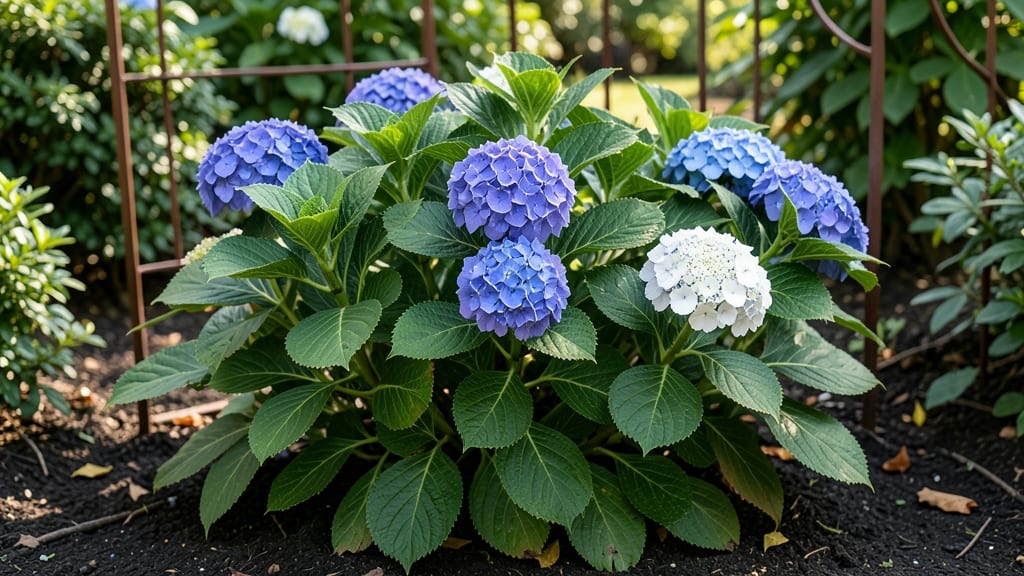
Understanding your hydrangea growing zone is key, but that doesn’t mean every plant will survive in every yard—especially after my own trial-by-fire lessons. 🌿 yours—even if you’re just a few miles apart. The key? Understanding microclimates and choosing the right variety for your specific growing conditions.
Most hydrangeas—like the classic bigleaf or the hardy oakleaf—handle zones 3 to 9, but heat and humidity play just as big a role as cold.
In zone 9, for example, afternoon shade becomes critical, while zone 4 gardeners need to protect their plants from harsh winters with mulch or burlap wraps. The USDA zone map is a starting point, but your local weather patterns and yard conditions often tell the real story.
What you’ll end up with is a thriving hydrangea that blooms reliably year after year, even if your zone is on the edge of its range. The secret isn’t just picking the right variety—it’s also adjusting care based on your specific climate quirks, like late frosts or sudden heatwaves.
With the right approach, you can grow stunning hydrangeas in almost any zone.
Whether you’re in a cold northern climate or a hot southern one, this guide will help you match the perfect hydrangea to your space. Let’s get those blooms growing!
📚 In This Guide
- What you need
- Instructions
- Tips and common mistakes
- Wrapping up and next steps
What you need
- ● Hydrangea plants: Choose from varieties like Hydrangea macrophylla (mophead/lacecap), Hydrangea paniculata (panicle), or Hydrangea arborescens (smooth). Buy 3-5 plants for a fuller look.
- ● Well-draining potting mix: 10-15 gallons (for containers) or blend 50% garden soil + 50% compost/peat for in-ground planting.
- ○ Containers (optional but ideal for zones 3-5): 15-20 gallon pots with drainage holes (terracotta or resin).
- ● Mulch: 2-3 inches of shredded bark or pine straw to retain moisture and regulate soil temp.
- ● Garden gloves (1 pair) – Protect your hands from thorns and soil.
- ● Trowel or small shovel – For planting and transplanting.
- ● Watering can or hose with gentle spray nozzle – Hydrangeas love 1-2 inches of water weekly!
- ● Fertilizer: Balanced granular (10-10-10) – 1 tbsp per plant in spring.
- ○ Acid-loving plant food (optional) – For blue blooms, use aluminum sulfate (follow package instructions).
- ● Pruning shears – For shaping in late winter/early spring (zones 6-9) or post-bloom (zones 3-5).
- ○ Sunlight gauge (optional): Check for partial shade (4-6 hours sun)—hydrangeas hate scorching!
- ● 🌡️ Zone 3-4? Start with H. paniculata (hardier) or grow in containers for winter protection.
- ● ✨ Color control: Blue = acidic soil (pH 7.0). Test your soil!
- ● 🔄 Container hack: Mix in perlite or sand (20%) to prevent root rot.
How to select and plant hydrangeas for your growing zone
Here's how I ensure my hydrangeas thrive in zones 3 through 9 with zero fuss.
🌱 Step 1: Choose the Right Variety for Your Zone
Hydrangeas come in types that handle cold differently. Bigleaf hydrangeas (H. macrophylla) like 'Endless Summer' thrive in zones 6-9, while panicle types (H. paniculata) such as 'Limelight' survive zones 3-9. Smooth hydrangeas (H. arborescens) like 'Annabelle' do well in zones 3-8. Check your USDA zone map—this determines your plant's winter survival.
I always plant according to my zone: in zone 5, I stick with panicle types because they handle our cold snaps better. The key is matching your climate to the variety's hardiness. If you're unsure, ask your local nursery—they know which types perform best in your area.
☀️ Step 2: Pick the Perfect Spot with Sunlight and Shelter
Most hydrangeas need morning sun and afternoon shade—about 4-6 hours of direct light daily. Too much hot afternoon sun can scorch leaves, while too little light means weak stems and small blooms. I plant mine where they get dappled shade from nearby trees in the afternoon.
For zones 3-5, choose a spot with some winter sun—it helps the plant dry out faster in spring, reducing rot risk. Avoid low spots where cold air settles, as this can freeze roots. A south- or west-facing wall provides extra warmth in winter, which helps in colder zones.
💧 Step 3: Plant at the Right Depth and Water Deeply
Dig a hole twice as wide as the root ball but only as deep as the container's base. Hydrangeas hate having their roots buried too deep—this can suffocate them. Place the plant so the top of the root ball sits 1 inch above ground level—this prevents rot from sitting water.
Water deeply right after planting, soaking the soil until it drains from the bottom. I use 1-2 gallons of water for each plant, depending on the root ball size. Keep the soil evenly moist for the first 2 weeks—this helps roots establish before they face winter stress.
✂️ Step 4: Mulch and Protect for Winter in Colder Zones
In zones 3-5, mulch heavily with 3-4 inches of organic mulch (like shredded bark) around the base. This insulates roots from freezing temperatures. I always wait until ground freezes before mulching—adding it too early can trap moisture and cause rot.
For extra protection, wrap young plants in burlap or frost cloth in late fall, securing it loosely. In zones 3-4, cut back panicle hydrangeas by half in early spring—they bloom on new growth, and this prevents winter damage. Bigleaf types should be pruned in summer after flowering.
🌿 Step 5: Feed and Prune for Year-Round Growth
Hydrangeas love acidic soil—test your soil pH and amend with sulfur or peat moss if needed. In spring, feed with a balanced fertilizer (10-10-10) when new growth appears. I avoid high-nitrogen fertilizers—they encourage leafy growth over blooms.
Prune right after flowering for bigleaf types, cutting back old wood to encourage new blooms. For panicle types, prune in late winter or early spring before buds swell. Always sterilize pruners with rubbing alcohol to prevent disease spread.
Tips & tricks for perfect Hydrangea planting in your zone
These simple strategies will help you avoid common pitfalls and keep your hydrangeas thriving for years.
Variety Selection: When choosing between bigleaf, panicle, or smooth hydrangeas, remember that panicle types like 'Limelight' are your best bet for zones 3-5—they're the toughest in cold climates. For zones 6-9, bigleaf varieties like 'Endless Summer' offer those stunning blue or pink blooms. I always check my local nursery's recommendations for my specific zone before buying, as microclimates can make a difference even within the same zone.
Light Balance: That 4-6 hours of morning sun is crucial—think of it as a golden rule. Too much afternoon sun can scorch leaves, while too little means weak stems. I plant mine near my patio where they get morning sun and afternoon shade from a large maple tree. If you're planting in a hotter zone, consider adding some afternoon shade with a sheer curtain or lattice structure.
Planting Depth: The 1-inch rule above ground level prevents rot from sitting water, but it's easy to forget this when digging. Use a level to check the depth before backfilling. I always mark the top of the root ball with a pencil before removing it from the container—this gives me a visual reference for proper placement. For container-grown plants, the soil line at the pot is your guide.
Winter Protection: In zones 3-5, don't skip that 3-4 inches of organic mulch—it's your plant's winter blanket. I wait until the ground freezes because early mulching can trap moisture and cause rot. For extra protection, I wrap young plants in burlap and secure it loosely, leaving room for air circulation. This simple step has saved my plants from winter damage more times than I can count.
Pro Tips for Hydrangea Growing Zone
- These simple strategies will help you avoid common pitfalls and keep your hydrangeas thriving for years.
- Variety Selection: When choosing between bigleaf, panicle, or smooth hydrangeas, remember that panicle types like 'Limelight' are your best bet for zones 3-5—they're the toughest in cold climates.
- Light Balance: That 4-6 hours of morning sun is crucial—think of it as a golden rule.
Frequently asked questions
Got questions about growing hydrangeas in your zone?
You’re not alone—these beauties can be finicky! Here are answers to the most common concerns to help you cultivate lush blooms with confidence.
What hydrangea varieties thrive in my specific growing zone?
Hydrangeas adapt well to zones 3–9, but the best picks depend on your climate:
- Zones 3–5: Opt for hardy varieties like Hydrangea macrophylla (Bigleaf) or Hydrangea paniculata (Panicled), which tolerate cold snaps.
- Zones 6–7: Nearly all types flourish—try Oakleaf or Smooth hydrangeas for versatility.
- Zones 8–9: Prioritize heat-tolerant types like Hydrangea arborescens (Smooth) or Hydrangea quercifolia (Oakleaf) to avoid wilting.
When is the best time to plant hydrangeas in my zone?
Timing matters! Plant in:
- Spring (after last frost) or early fall (6–8 weeks before first frost) for root establishment.
- Zones 3–5: Wait until soil warms (May–June) to avoid cold damage.
- Zones 6–9: Early fall (September–October) gives roots time to settle before winter.
How do I adjust watering for hydrangeas in hot vs. cold zones?
Hydrangeas love moisture but hate soggy roots. Adjust care by zone:
- Zones 3–5: Water deeply but infrequently (1–2x/week) to prevent winter desiccation. Mulch heavily (3–4 inches) to insulate roots.
- Zones 6–9: Keep soil consistently moist (1–1.5 inches/week). In heatwaves, water early morning to reduce evaporation.
Can I grow hydrangeas in containers if I’m in zone 4 or higher?
Containers work well in zones 4–9 with these tweaks:
- Use large pots (15+ gallons) for stability and root growth.
- Choose well-draining mix (50% potting soil, 30% perlite, 20% compost).
- Winter care: Move pots to unheated garages or wrap in bubble wrap in zones 4–5.
- Summer care: Place in partial shade to prevent leaf scorch.
Why are my hydrangea leaves turning yellow or brown in zone 7?
Yellow/brown leaves in zone 7 often signal:
- Overwatering or poor drainage → Let soil dry slightly between waterings.
- Underwatering or heat stress → Increase frequency (but avoid soggy soil).
- Nutrient deficiency → Feed with acid-loving plant fertilizer (e.g., Miracle-Gro Azalea/Camellia).
- Pests (aphids, spider mites) → Spray with neem oil or hose off gently.
Wrapping up and next steps
Growing hydrangeas in USDA zones 3-9 is totally doable—whether you're a seasoned gardener or just starting out! 🌸 With the right zone awareness, soil prep, and a little TLC, these stunning blooms will reward you with vibrant colors year after year.
Now that you’re armed with the know-how, pick your favorite variety and get planting—your future garden will thank you!
💡 Next step: Visit your local nursery or check USDA’s Plant Hardiness Zone Map to confirm your exact zone, then grab those hydrangea cuttings or bare-root plants. Happy gardening! 🌱