
Shrubs
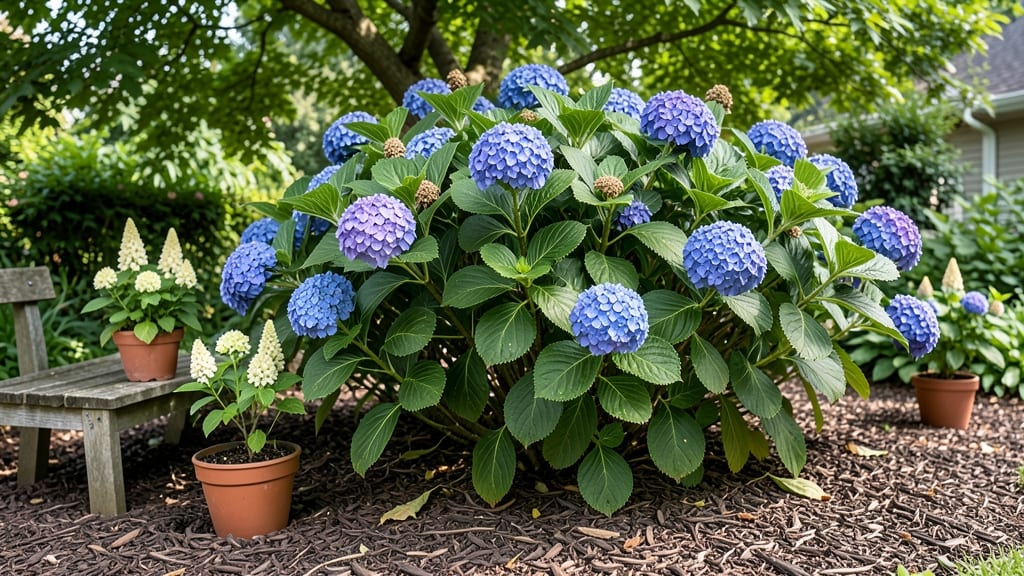
A hydrangea perennial—whether basking in sun or thriving in shade—can be the secret weapon of your garden, offering year-round color with minimal fuss.
Struggling to find the perfect hydrangea that blooms beautifully whether basking in full sun or thriving in dappled shade? The right variety can transform your garden into a year-round floral masterpiece—without the guesswork.
Some varieties, like Hydrangea paniculata, love soaking up the sun and reward you with bold blooms, while others, such as Hydrangea macrophylla, prefer cooler, shaded spots to keep their leaves lush. The key is matching the plant to your space.
In this guide, I’ll break down the best sun-loving and shade-tolerant hydrangeas, their care needs, and how to keep them blooming all season—no matter where you plant them.
 Best Window Placement
Best hydrangea varieties for full sun exposure: heat-resistant picks that bloom boldly
If you’ve ever dreamed of hydrangeas that thrive under the hot midday sun without wilting, you’re in luck! While most hydrangeas prefer partial shade, some varieties are sun-loving powerhouses that reward gardeners with bold, long-lasting blooms.
The key? Choosing the right heat-resistant cultivars and giving them the proper care to handle intense sunlight. These sun-seeking hydrangeas aren’t just survivors—they’re showstoppers that turn gardens into vibrant canvases.
Full-sun hydrangeas typically belong to the paniculata and arborescens species, known for their tougher constitutions and adaptability to heat. Unlike their shade-loving cousins, these varieties often produce larger, cone-shaped blooms that last well into fall.
But don’t assume they’re low-maintenance—proper watering, mulching, and pruning are non-negotiable for keeping them thriving. Let’s dive into the top sun-loving hydrangeas and how to coax the most stunning blooms from them, even in the hottest climates.
Comparison Table: Top Sun-Loving Hydrangea Varieties
| Variety | Sun Tolerance | Bloom Color | Mature Height | Water Needs | Key Care Tip |
|---|---|---|---|---|---|
| 'Limelight' | Full sun to partial shade | Cream to deep green | 6-8 ft | Deep weekly soaks | Prune in late winter for best blooms |
| 'Endless Summer' | Full sun to partial shade | Pink to blue (pH-dependent) | 3-5 ft | Consistent moisture in heat | Mulch heavily to retain moisture |
| 'Little Lime' | Full sun to partial shade | Lime green cone-shaped blooms | 3-5 ft | Drought-tolerant once established | Great for containers in hot spots |
| 'Annabelle' | Full sun (best in heat) | Pure white pom-pom blooms | 3-5 ft | Weekly deep watering | Deadhead spent blooms for reblooming |
| 'Firelight' | Full sun (heat-loving) | Green turning red-pink | 6-8 ft | High moisture in summer | Prune old wood in early spring |
Among these sun-loving stars, the 'Limelight' hydrangea stands out for its arching stems and long-lasting blooms that start green and mature to a rich burgundy.
It’s a paniculata hybrid that thrives in USDA zones 4-8 and can handle up to 6 hours of direct sun daily, making it perfect for southern gardens.
To keep its blooms vibrant, I’ve found that mulching with 2-3 inches of organic matter (like shredded bark) helps lock in moisture and regulate soil temperature during scorching afternoons.
If you’re after reblooming hydrangeas that produce two flushes of flowers per season, the 'Endless Summer' series is a game-changer. This macrophylla variety is more sun-tolerant than traditional mopheads and saceleheads, thanks to its sturdier stems. The secret to its bold colors?
Soil pH—acidic soil (pH 5.0-5.5) yields blue blooms, while alkaline soil (pH 6.0-7.0) produces pinks. I recommend testing your soil in early spring and amending it with sulfur or lime as needed to achieve your desired hue.
For gardeners with limited space but a big love for hydrangeas, the 'Little Lime' variety is a compact powerhouse. This dwarf paniculata grows just 3-5
Shade-tolerant hydrangeas that flourish in low light: a gardener’s guide to lush growth
Not all hydrangeas need blazing sun to shine! If your garden sports deep shade from towering trees or a north-facing yard, you’re not out of luck. The right shade-tolerant varieties will reward you with vibrant blooms and lush foliage—without the stress of sunburn or wilting.
These beauties thrive in dappled light or even full shade, making them perfect for tricky spots where other plants struggle.
My top picks for low-light success include 'Annabelle' with its snowball-sized blooms, 'Nikko Blue' for dramatic foliage, and 'Invincibelle Spirit', a disease-resistant workhorse. Each variety has unique care quirks, like soil pH sensitivity or pruning timing, that can make or break your blooms.
Let’s dive into what works—and what doesn’t—for these shade stars.
Shade-Tolerant Hydrangeas: Pros & Cons
✅ Pros
- Thrives in low light: Perfect for woodland gardens or north-facing yards.
- Vibrant blooms: Produces large flowers even with minimal sunlight.
- Low maintenance: Fewer pests/diseases than sun-exposed hydrangeas.
- Versatile colors: Ranges from white ('Annabelle') to blue ('Nikko Blue').
❌ Cons
- Weak stems: Needs staking in windy areas.
- Sparse blooms if over-pruned or under-fertilized.
- pH-sensitive: Blue flowers need acidic soil (pH 5.0-5.5).
- Slower growth in deep shade vs. partial shade.
To keep your shade-loving hydrangeas blooming like crazy, start with well-draining, acidic soil (aim for pH 5.5-6.0 for blue flowers; 6.0-7.0 for pinks). Amend your soil with peat moss or sulfur if needed—this is non-negotiable for color accuracy.
For example, 'Nikko Blue' will turn pinkish if your soil is too alkaline, and there’s no fixing it mid-season!
Pruning is another game-changer. Deadhead spent blooms in late summer to encourage reblooming varieties like 'Invincibelle Spirit'. But avoid heavy pruning in early spring—this removes next year’s flower buds!
Instead, trim back 1/3 of the oldest stems in late winter to promote fresh growth. And never prune after mid-summer—you’ll sacrifice next year’s blooms.
Watering might seem straightforward, but consistency is key. Shade-loving hydrangeas hate dry soil, which leads to drooping leaves or bud blast. Aim for 1-1.5 inches of water weekly, and mulch heavily to retain moisture.
I’ve seen 'Annabelle' hydrangeas wilt dramatically after just one hot, dry week—so don’t skip this step! A 3-inch layer of mulch around the base keeps roots cool and hydrated.
Watch for common shade pitfalls like yellowing leaves (often a nutrient deficiency) or powdery mildew in humid conditions. If leaves turn yellow, feed with a balanced fertilizer (like 10-10-10) in early spring.
For mildew, space plants 3-4 feet apart and water at the base to avoid wetting foliage. A neem oil spray can also save the day if mildew appears.
With the right variety, soil prep, and a little TLC, your shade garden can become a hydrangea paradise. Try 'Annabelle' for low-maintenance drama, 'Nikko Blue' for foliage flair, or 'Invincibelle Spirit' for reblooming reliability.
Just remember: shade doesn’t mean neglect—these beauties still need nutrients, water, and proper pruning to shine.