
Planting
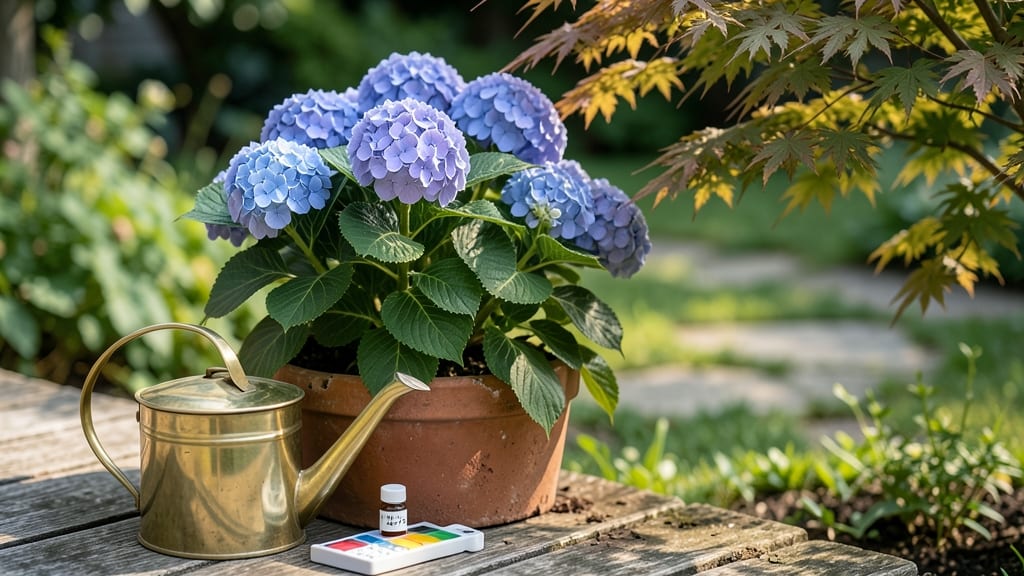
Mastering hydrangea pot plant care is the secret to showstopping blooms that thrive all season—no gardening degree needed. 🌸 I’ve turned my patio into a lush hydrangea display by following the simple rules that keep these thirsty beauties happy in containers.
The key? Consistent moisture, the right soil mix, and a little strategic pruning that actually boosts next year’s flowers.
Most people overwater or underfeed their potted hydrangeas, leading to limp leaves or sparse blooms. My foolproof routine starts with a well-draining potting mix (equal parts peat, perlite, and compost) and a 1-gallon pot per year of plant age—so a 3-year-old hydrangea needs at least a 3-gallon container.
Water when the top inch feels dry, and always use room-temperature water to avoid shocking the roots. Fertilize monthly during spring and summer with a balanced 10-10-10 formula, but cut back in fall to let the plant rest.
Pruning isn’t just about shaping—it’s about encouraging bigger blooms. After the first frost, trim back dead stems to just above a set of buds. For reblooming varieties, do a light pruning in early spring to remove any dead growth, but avoid heavy cuts that can reduce next year’s flowers.
With this approach, my hydrangeas produce football-sized blooms that last from June until the first hard freeze, even in full sun.
Container hydrangeas thrive in morning sun and afternoon shade, especially in hot climates. If your patio gets scorched by afternoon rays, move the pot to a shadier spot by late July to prevent leaf scorch.
And here’s the secret weapon: a mulch layer of pine bark around the pot edges keeps roots cool and retains moisture. With these tweaks, your potted hydrangea will outshine store-bought bouquets every season.
📚 In This Guide
- What you need
- Instructions
- Tips and common mistakes
- Wrapping up and next steps
What you need
- ● Hydrangea plant: Choose a potted hydrangea (e.g., Hydrangea macrophylla, Hydrangea paniculata, or Hydrangea arborescens) from a nursery or garden center. Opt for a well-established plant (1-2 years old) for faster blooms.
- ● Pot: A container with drainage holes (12–18 inches in diameter for mature plants). Terracotta or ceramic pots work best for moisture control.
- ● High-quality potting mix: A well-draining, acidic mix (pH 5.5–6.2). Look for a blend labeled for acid-loving plants or amend regular potting soil with peat moss or perlite (20% perlite for aeration).
- ● Slow-release fertilizer: A balanced, acidic fertilizer (e.g., 10-10-10 or 12-4-8) or a hydrangea-specific formula (e.g., Miracle-Gro Azalea, Camellia & Rhododendron).
- ● Mulch: Pine bark or wood chips (1–2 inches thick) to retain moisture and acidify soil over time.
- ● Pruning shears: Sharp, clean shears (sterilize with rubbing alcohol between cuts to prevent disease).
- ● Watering can: A spray nozzle attachment for gentle hydration (hydrangeas hate soggy roots!).
- ○ pH testing kit: To monitor soil acidity (aim for 5.5–6.2). Optional but highly recommended for color control (blue/pink blooms!).
- ● Aluminum sulfate or lime: For adjusting soil pH (aluminum sulfate lowers pH; lime raises it).
- ● Support stake or trellis: For Hydrangea paniculata varieties that grow tall (4–6 feet).
- ● Grow lights (seasonal): If indoors, a full-spectrum LED grow light (12–14 hours/day) for winter blooms.
- ● Choose a sunny spot (6+ hours of light for most varieties; paniculata tolerates partial shade).
- ● Ensure your outdoor location has protection from strong winds (hydrangeas are top-heavy!).
- ● If repotting, do it in early spring before new growth begins.
Instructions for hydrangea pot plant care
Here’s my go-to approach for keeping potted hydrangeas lush and blooming—no fuss, just consistent results.
💧 Step 1: Master Watering for Consistent Moisture
Hydrangeas in pots dry out fast, so check the soil every 2-3 days by sticking your finger 1-2 inches deep. If it feels dry, water thoroughly until it drains from the bottom. I use room-temperature water to avoid shocking the roots—cold water can stunt growth.
Overwatering is the real enemy here. Yellowing leaves or drooping blooms mean you’ve gone too far. Let the top inch dry out between waterings, but never let the soil become bone-dry. A self-watering pot helps, but even then, monitor moisture levels—hydrangeas need consistent dampness, not soggy soil.
☀️ Step 2: Position for Bright, Indirect Light
Place your hydrangea where it gets morning sun and afternoon shade—think east-facing windows or a patio with dappled sunlight. Too much direct afternoon sun bleaches leaves and scalds petals, while too little light weakens blooms. You’ll know it’s right when new growth stays vibrant green, not pale or yellowing.
In hot climates, move pots to a shaded spot by midday. If you notice leaves curling or wilting, it’s a sign of heat stress. A sheer curtain can filter harsh light without blocking all sunlight. Hydrangeas thrive in 60-75°F—if your space runs cooler, supplement with a grow light for 4-6 hours daily.
✂️ Step 3: Prune Strategically for Year-Round Blooms
Prune once a year in late winter or early spring, right before new growth starts. Cut back one-third of the oldest stems to encourage fresh, vigorous blooms. I look for stems that are thinner and woody—these are the ones to trim. Leave 3-4 inches of growth above the base to allow room for new shoots.
Deadhead spent blooms in summer to redirect energy into new flowers, but avoid heavy pruning then—it can stunt fall blooms. If your hydrangea blooms on old wood (like Endless Summer varieties), skip spring pruning entirely and focus on removing dead stems in winter. Watch for buds forming in late summer—these are your next year’s flowers.
🪴 Step 4: Feed and Refresh Soil Annually
Fertilize twice a year: once in early spring with a balanced 10-10-10 formula and again in mid-summer with a low-nitrogen, high-phosphorus blend to boost blooms. I mix fertilizer into the top inch of soil and water deeply to prevent root burn. Hydrangeas love acidic soil—if your blooms stay blue, test the pH and amend with sulfur or aluminum sulfate if needed.
Refresh the top 2-3 inches of soil every spring with compost or peat moss to replenish nutrients. Over time, potting mix breaks down, and roots get crowded. If your hydrangea outgrows its pot, repot into a container 2-3 inches larger in diameter. The key is gentle root disturbance—water the plant first, then slide it out with the root ball intact.
Tips & tricks for hydrangea pot plant care
Between us, these small adjustments will transform your potted hydrangea from a struggling survivor to a showstopper. The devil’s in the details—and I’ve learned them the hard way.
Soil Moisture Secrets: The 2-3 day watering schedule works best when you use the "finger test" consistently. Press your finger 1-2 inches deep—if it feels like a dry sponge, water until liquid runs freely from the drainage hole. I’ve found that hydrangeas in terracotta pots dry out faster than ceramic, so adjust your schedule accordingly. For extra insurance, place the pot on a saucer filled with pebbles and water—this creates humidity around the roots without overwatering.
Lighting Nuances: That 60-75°F ideal range isn’t just about temperature—it’s about light intensity too. In summer, if your hydrangea gets afternoon sun, move it to a spot with filtered light by 12 PM. I notice the biggest difference when leaves stay a rich green rather than turning yellow or crispy. For indoor plants, rotate the pot weekly so all sides get even light exposure—this prevents lopsided growth and ensures blooms develop uniformly.
Pruning Precision: When you’re cutting back those one-third oldest stems in late winter, look for the telltale "V" shape where the stem meets the main trunk—this is where new growth will emerge. I always make cuts just above a leaf node or bud, angled slightly downward to prevent water from pooling. For Endless Summer varieties, mark the stems with a ribbon before pruning so you don’t accidentally trim next year’s blooms by mistake.
Fertilizer Timing: That twice-yearly feeding schedule is non-negotiable, but here’s what I’ve learned about execution: Mix the spring 10-10-10 fertilizer with water first to create a "tea," then water the plant with this solution. This prevents root burn from concentrated fertilizer. For the mid-summer high-phosphorus feed, I split the dose into two applications—once before blooms appear and again when they’re half-open. This two-step approach gives you bigger, longer-lasting flowers without the risk of fertilizer burn.
Pro Tips for Hydrangea Pot Plant Care
- Between us, these small adjustments will transform your potted hydrangea from a struggling survivor to a showstopper.
- Soil Moisture Secrets: The 2-3 day watering schedule works best when you use the "finger test" consistently.
- Lighting Nuances: That 60-75°F ideal range isn’t just about temperature—it’s about light intensity too.
Frequently asked questions
Got questions about keeping your hydrangea pot plant happy and blooming? You’re not alone! Here are some of the most common concerns—and their easy solutions.
How often should I water my hydrangea in a pot?
Water your potted hydrangea when the top 1-2 inches of soil feel dry. Typically, this means watering every 2-3 days in warm weather or weekly in cooler months. Overwatering is a bigger risk than underwatering—ensure pots have drainage holes to prevent root rot. Pro tip: Check soil moisture with your finger before watering!
Why are my hydrangea leaves turning yellow?
Yellow leaves often signal overwatering or nutrient deficiencies. If the soil stays soggy, reduce watering and improve drainage. For yellowing with brown edges, it might be underwatering or chlorosis (iron deficiency). Test your soil pH (hydrangeas love acidic soil, pH 5.2–6.2) and amend with chelated iron if needed.
When and how should I prune my potted hydrangea?
Prune mophead or bigleaf hydrangeas right after flowering (late summer/early fall) to encourage next year’s blooms. For panicle hydrangeas, prune in late winter/early spring. Always use clean, sharp shears and cut back 1/3 of the oldest stems to maintain shape and health.
Can I grow hydrangeas in pots indoors year-round?
While hydrangeas thrive outdoors, they can survive indoors with bright, indirect light (east or north-facing windows). Keep humidity high (mist leaves or use a pebble tray) and avoid cold drafts. Expect smaller blooms indoors—consider moving them outside in spring/summer for optimal growth.
What’s the best fertilizer for potted hydrangeas?
Use a balanced, acidic fertilizer (like 10-10-10 or 12-4-8) in spring and summer. For blue blooms, add aluminum sulfate; for pink, use lime. Feed every 4-6 weeks during growing season, but skip fertilizing in winter. Pro tip: Slow-release granules reduce over-fertilizing risks!
Wrapping up and next steps
Caring for your hydrangea pot plant is all about balance—sunlight, water, and a little seasonal love go a long way! 🌸 With the right soil, pruning know-how, and attention to pests, you’ll enjoy stunning blooms year-round without the stress. Remember, even the pros started with a single cutting!
Ready to level up your green thumb? Grab that pruners and pick a sunny spot—your hydrangea’s next chapter begins with you! 🌿✨