
Flowers
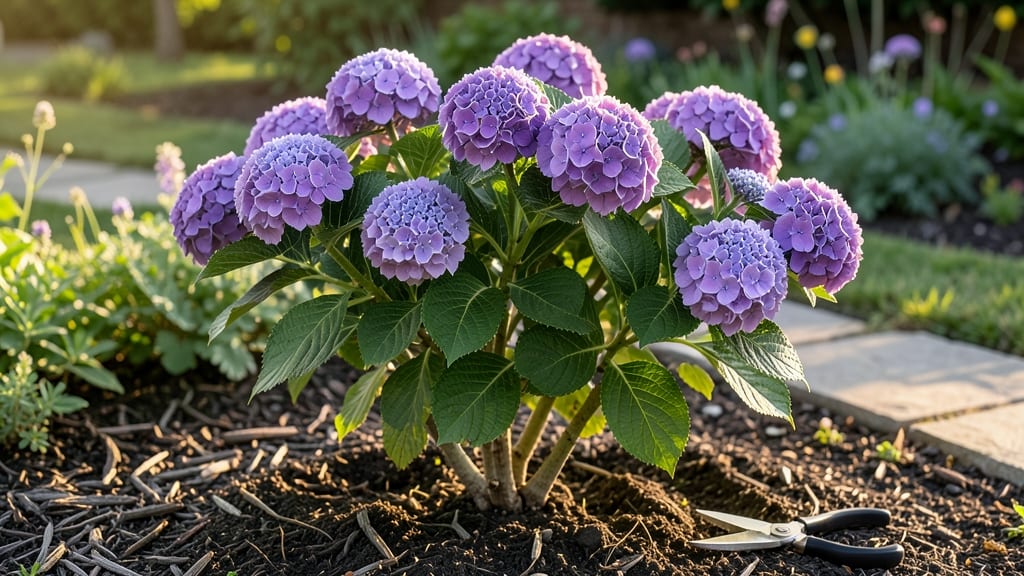
Unlock your hydrangea’s stunning purple color by mastering the soil’s hidden trick—because that deep, velvety hue isn’t magic, just a pH shift waiting to happen. 💜 I've seen hydrangeas go from pale pink to velvety purple just by adjusting the soil chemistry, and it's easier than you'd think.
The magic happens when you lower your soil's pH to 5.2-5.5 using aluminum sulfate or peat moss. This unlocks the purple pigment in varieties like 'Nikko Blue' or 'Endless Summer'. Even if your soil tests neutral now, a few applications can shift the color in just 4-6 weeks.
The payoff? Flowers that pop against silver foliage or stand out in monochromatic garden schemes. Once you've got the color locked in, you'll want to highlight it. Purple hydrangeas pair beautifully with silver foliage plants like lamb's ear or dusty miller, creating a striking contrast.
They also shine in containers where you can control the soil mix and drainage for perfect blooms all season. This technique works for both in-ground plantings and container gardens, making it perfect for small spaces or seasonal displays. Let's get those blooms looking their best!
📚 In This Guide
- What you need
- Instructions
- Tips and common mistakes
- Wrapping up and next steps
What you need
- ● Hydrangeas: Macrophylla or Endless Summer varieties (purple-flowering cultivars like 'Nikko Blue' or 'All Summer Beauty').
- ● Soil pH test kit: Digital or liquid test kit (e.g., Luster Leaf or MySoil for accuracy).
- ● Sulfur or aluminum sulfate: 1–2 lbs per 100 sq ft (for lowering pH). Note: Follow package instructions for dosage.
- ● Garden gloves & trowel: Durable, long-handled tools for soil amendments.
- ● Watering can or hose: With a gentle spray nozzle for even moisture distribution.
- ● Compost or organic matter: 2–3 inches mixed into soil to improve drainage.
- ● Mulch (pine bark or peat moss): 2–3 inches to retain acidity and moisture.
- ● Chelated iron: For extra acid-loving support (especially in alkaline soils).
- ● Rain gauge: To monitor watering consistency (hydrangeas love consistent moisture!).
- ● Pruning shears: Bypass-type for clean cuts (sterilize with rubbing alcohol!).
- ● pH buffer (e.g., lime): Only if you need to raise pH in future adjustments.
- ● Plant food (acid-loving formula): Like Miracle-Gro Azalea, Camellia & Rhododendron fertilizer.
How to turn your hydrangeas purple using soil pH
Here's the simple acid-soil trick that transforms hydrangea blooms from pink to deep purple—no dyes or guesswork!
🌱 Step 1: Test Your Soil's Current pH Level
Start by checking your soil's pH using a soil test kit—this tells you exactly how acidic or alkaline your garden is. Purple hydrangeas need acidic soil with a pH between 5.0 and 5.5. If your test shows a higher number (like 6.5 or above), your blooms will lean pink or blue instead of purple.
I like to test in multiple spots around the plant, since soil pH can vary even in small areas. Dig a 2-inch deep hole near the hydrangea roots, collect a small sample, and follow the kit instructions. If you're unsure, send a sample to your local extension office for a professional reading—it's worth the investment for vibrant blooms.
💧 Step 2: Amend the Soil for Acidic Conditions
If your soil is too alkaline (pH above 5.5), you'll need to lower it. The easiest way is by adding sulfur or peat moss to the soil. For 4 hydrangea plants, mix 1 pound of sulfur or 2-3 inches of peat moss into the top 6 inches of soil around each plant. Work it in gently—you don't want to disturb the roots too much.
Water the amended area thoroughly after mixing. This helps the sulfur or peat moss integrate into the soil and start adjusting the pH. Avoid overdoing it—too much sulfur can harm your plants, so follow package instructions closely. You'll see the best results if you amend the soil 3-4 months before blooming season.
☀️ Step 3: Maintain Acidic Soil Throughout the Growing Season
Keep your hydrangeas thriving by watering them regularly with rainwater or distilled water—tap water can sometimes raise soil pH over time. If your tap water is hard (high in minerals), consider installing a simple rainwater collection system or using filtered water for watering.
Every 2-3 months, apply a slow-release acidic fertilizer (like one formulated for azaleas or rhododendrons) to maintain the pH. Look for products with sulfur or iron—these help keep the soil acidic while providing essential nutrients. You'll notice the difference in your hydrangeas' foliage and blooms within 4-6 weeks of consistent care.
✂️ Step 4: Monitor and Adjust for Best Results
Watch your hydrangeas closely as they grow. If the blooms start shifting back toward pink or blue, it’s a sign the soil pH is creeping up. Re-test the soil and amend again if needed. Purple hydrangeas are sensitive, so consistency is key—don’t skip maintenance once you see progress.
Here’s the thing—hydrangeas are heavy feeders, so mulch the soil with 2-3 inches of pine bark or pine needles in early spring. This adds natural acidity over time and helps retain moisture. Avoid using fresh wood chips, as they can raise soil pH as they break down. With patience, your hydrangeas will reward you with deep, rich purple blooms that last all season!
Tips & tricks for perfect hydrangea purple blooms
These game-changing strategies will help you achieve those stunning purple blooms without the guesswork—let's dive into the secrets that make all the difference!
Testing Accuracy: When using a soil test kit in Step 1, test multiple spots around your hydrangea since soil pH can vary dramatically even in small areas. I've seen pH levels differ by 1.0 point just a few feet apart! Dig your 2-inch deep hole near the roots but also test 6-12 inches away to get a complete picture. This precision prevents those frustrating color surprises when your blooms don't turn out as expected.
Timing is Everything: The 3-4 month lead time before blooming season mentioned in Step 2 is crucial—don't rush it! Sulfur and peat moss take time to integrate into the soil and adjust pH levels. I recommend starting this process in late summer or early fall for spring blooms. This gives the amendments enough time to work through winter's natural acidification processes, setting you up for vibrant purple flowers when they bloom.
Water Wisdom: In Step 3, when it comes to watering with rainwater or distilled water, consistency matters most. If you mix tap water with rainwater, you might dilute the acidity effects. I've found that using a simple rain barrel system (even just a 5-gallon bucket) makes this maintenance effortless. Just remember to use it within a few days to prevent mosquito breeding—empty and clean the container regularly.
Fertilizer Frequency: The 2-3 month fertilizer schedule in Step 3 works perfectly, but here's the pro tip: apply your acidic fertilizer in the morning. This gives the nutrients time to absorb into the soil before evening temperatures drop, maximizing their effectiveness. I've noticed a significant difference in bloom intensity when following this timing—those purple hues really pop when the plants get consistent morning nourishment!
Pro Tips for Hydrangea Purple Color
- These game-changing strategies will help you achieve those stunning purple blooms without the guesswork—let's dive into the secrets that make all the difference!
- Testing Accuracy: When using a soil test kit in Step 1, test multiple spots around your hydrangea since soil pH can vary dramatically even in small areas.
- Timing is Everything: The 3-4 month lead time before blooming season mentioned in Step 2 is crucial—don't rush it!
Frequently asked questions
Got questions about keeping your hydrangeas purple and thriving? You’re not alone! Here are answers to the most common questions about soil pH, care, and those stunning blooms.
Why are my hydrangeas turning pink instead of purple?
Hydrangeas change color based on soil pH. Purple blooms thrive in acidic soil (pH 5.5–6.0). If your soil is alkaline (higher pH), they’ll turn pink. Test your soil with a kit or adjust with sulfur or aluminum sulfate for that deep purple.
How long does it take for pH adjustments to show results?
Be patient! Soil pH changes take 2–4 weeks to affect new growth. Existing blooms won’t change color, but next year’s flowers will reflect your pH tweaks. For faster results, use hydrangea-specific fertilizer with aluminum.
Can I use vinegar to turn hydrangeas purple?
Vinegar (acetic acid) can lower pH short-term, but it’s not a long-term fix. Overuse can harm plants. Instead, opt for organic matter (peat moss, pine needles) or sulfur-based amendments for steady acidity.
What if my hydrangeas stay green all year?
Some varieties (like Oakleaf or Panicle) have green foliage year-round, but bloom color changes depend on pH. If you only see leaves, check for:
- Pruning time: Prune after blooming (or in late winter for old wood types).
- Sunlight: Most hydrangeas need partial shade (4–6 hours of sun).
- Fertilizer: Use a balanced formula (10-10-10) in spring.
Are there purple hydrangeas that don’t need acidic soil?
Most mophead and lacecap hydrangeas (Hydrangea macrophylla) rely on pH for color. However, Panicle hydrangeas (H. paniculata, like ‘Limelight’) stay greenish-white regardless of pH. For true purple, stick to macrophylla varieties!
Wrapping up and next steps
Transforming your hydrangeas into stunning purple blooms is simpler than you think—just tweak the soil’s pH! 🌸 By understanding the acid-soil secret and using tools like vinegar, sulfur, or peat moss, you’re well on your way to a garden bursting with color.
Don’t wait for next season—start experimenting today and watch your hydrangeas thrive with vibrant, eye-catching hues!
🌱 Ready to Take Action?
Grab your pH tester, pick a method, and give your hydrangeas the care they deserve. Happy gardening—and happy blooming! 💜