
Pruning
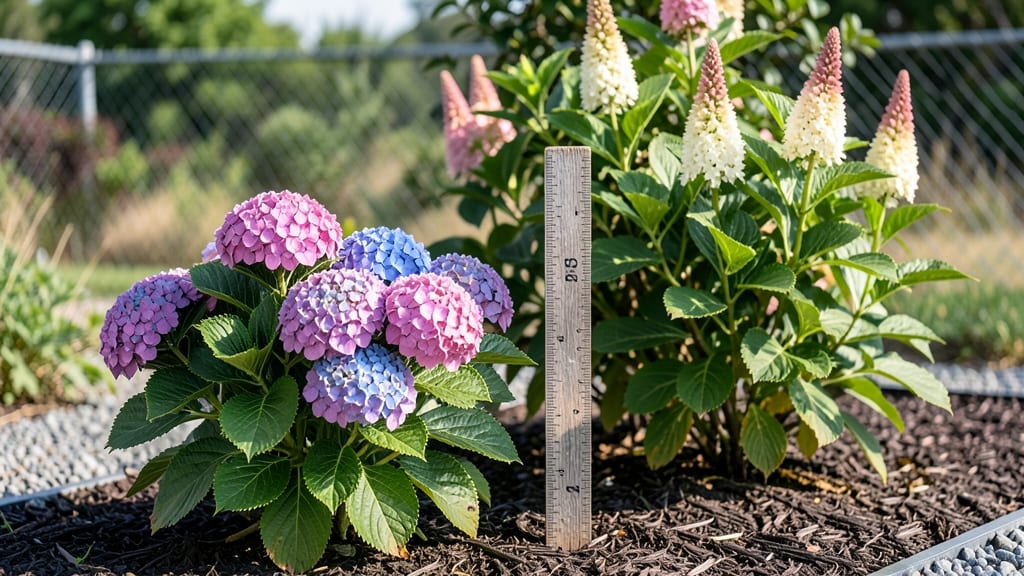
Hydrangea trees and bushes transform your garden in completely different ways—one reaches for the sky while the other spreads like a lush carpet. 🌿 I’ve grown both, and the choice comes down to what you want to dominate your landscape: a towering statement piece or a soft, flowering border that spills over edges.
Tree hydrangeas like Limelight grow 10-15 feet tall, while bush varieties like Endless Summer stay compact at 3-5 feet, perfect for hedges or containers.
The real magic happens in how they shape your space. Tree hydrangeas bring vertical drama—think backyards, entryways, or mixed borders where height adds depth. Bush types, though, are the workhorses of texture, thriving in foundation plantings, cottage-style gardens, or even as living privacy screens.
Both need well-drained soil, but tree hydrangeas tolerate more sun, while bush varieties often prefer morning light and afternoon shade to protect their blooms.
Pruning is where the secrets lie. Tree hydrangeas bloom on new wood, so you can trim anytime (even in late winter), while bush types bloom on old wood—wait until after flowering to avoid sacrificing next year’s blooms.
The payoff? Tree hydrangeas keep blooming later into fall, while bush varieties offer bold, color-changing flowers that shift from pink to blue based on soil pH (yes, you can tweak their hue!).
Here’s the pro move: pair them. Use a Limelight hydrangea tree as a backdrop for Endless Summer bushes in front—it’s the ultimate contrast of structure and softness. Both love moisture, so mulch well, and watch your garden go from ordinary to showstopping in just one season.
The first product explained
Meet the Oakleaf Hydrangea Tree (Hydrangea quercifolia)—a stunning hybrid that blends the elegance of a tree with the vibrant blooms of a classic hydrangea bush! 🌿✨ Perfect for gardeners who crave structure, year-round interest, and low-maintenance beauty, this pole-trained variety is a game-changer for small spaces or statement focal points.
🌳 Key Specs & Features
- Growth Type: Pole-trained (tree form) with a single trunk and layered branches, reaching 6–12 feet tall (depending on pruning).
- Bloom Time: Late spring to summer, with cone-shaped flowers that transition from white to pinkish hues. Fall foliage turns fiery red or purple—double the seasonal wow!
- Sunlight Needs: Partial shade to full sun (morning sun + afternoon shade ideal for vibrant blooms).
- Soil Preference: Adaptable but thrives in moist, well-draining, slightly acidic soil (pH 5.0–6.0). Tolerates clay if amended.
- Hardiness: Zones 5–9 (cold-hardy and drought-tolerant once established).
- Pruning Perks:
- Minimal pruning needed—just remove dead wood in late winter to maintain shape.
- Can be shaped like a standard tree or allowed to grow naturally for a wild, textured look.
🎯 Who’s It For?
This hydrangea is a dream for:
- 🏡 Homeowners with small yards or urban gardens (fits in tight spaces!).
- 🌆 Landscapers designing focal points, privacy screens, or pollinator-friendly gardens.
- 🌿 Low-maintenance lovers who want big impact with minimal effort.
- 🎨 Seasonal display enthusiasts—it’s a four-season star with blooms, foliage, and winter interest.
💰 Price Point & Where to Buy
Expect to invest $50–$120 per plant, depending on size and retailer. Here’s where to find it:
- Local Nurseries: Search for "Oakleaf Hydrangea Tree" at garden centers (spring/fall sales often lower prices!).
- Online Retailers:
- 🌐 Proven Winners (guaranteed quality)
- 🌐 Fast-Growing-Trees.com (larger sizes available)
- 🌐 Etsy (for rare, heirloom varieties)
- Pro Tip: 💡 Buy in early spring for the best selection and healthier root systems!
🌟 Why Choose This Over a Bush?
Unlike traditional hydrangea bushes (which sprawl and require staking), the Oakleaf Hydrangea Tree offers:
- 🏆 Vertical drama—no more hidden stems or flopping blooms!
- ⏳ Faster maturity (reaches full height in 3–5 years vs. 5+ for bushes).
- 🐝 Pollinator magnet—bees and butterflies adore its nectar-rich flowers.
- 🎨 Year-round texture—exfoliating bark adds winter interest.
The second product explained
If you’re dreaming of a show-stopping vertical garden that adds drama and elegance to your landscape without taking up precious ground space, the Hydrangea Tree (Hydrangea paniculata) is your star player. 🌿✨ Unlike its bushy cousins, this pole-trained hydrangea grows upward, creating a stunning focal point that’s perfect for small yards, patios, or even container gardening.
Let’s dive into why this tree-form hydrangea steals the show—and how to make it thrive!
🌱 Key Specs & Features
Here’s what makes the Hydrangea Tree a game-changer:
- Growth Habit: Pole-trained (grows 6–10 feet tall with a 3–5-foot spread) when staked properly.
- Flower Color: Creamy white blooms that age to blush pink or deep burgundy—a seasonal color transformation!
- Bloom Time: Late summer to fall (July–October), offering long-lasting beauty when other plants fade.
- Hardiness: Zones 3–8, making it low-maintenance and resilient in most climates.
- Sunlight Needs: Full sun to partial shade (6+ hours of sun for best color).
- Soil Preference: Well-draining, slightly acidic soil (amend with compost for optimal growth).
- Drought Tolerance: Once established, it handles dry spells like a champ!
🎯 Who’s It For?
This isn’t just any hydrangea—it’s a statement piece designed for:
- 🏡 Homeowners with small spaces who want big impact without sacrificing yard functionality.
- 🌆 Urban gardeners or balcony/patio plant lovers (can be grown in large containers!).
- 🎨 Design enthusiasts who love textural contrast and seasonal color shifts.
- 🐝 Pollinator-friendly gardeners—its blooms attract bees and butterflies!
- 💪 Low-maintenance heroes who want beauty with minimal fuss.
💰 Price Point & Value
Investing in a Hydrangea Tree is a smart move for its long-term payoff. Here’s the typical cost breakdown:
| Product Form | Price Range | Best For |
|---|---|---|
| Potted Hydrangea Tree (3–5 gallons) | $40–$80 | Instant curb appeal; great for transplanting. |
| Bare-Root Hydrangea Tree | $30–$60 | Budget-friendly; best planted in early spring. |
| Container-Grown (Large Pot, 15+ gallons) | $60–$120 | Patio/balcony gardeners or renters. |
Pro Tip: 💡 Buy from reputable nurseries (like local garden centers or online specialty growers) to ensure healthy, disease-free plants. Avoid big-box stores for pole-trained varieties—they often sell bush forms mislabeled as "trees"!
With its dramatic height, seasonal color show, and easy care, the Hydrangea Tree is the ultimate upgrade for gardeners who want height without the hassle. Ready to train your own? Let’s talk pruning secrets next!
Head-to-head comparison
Ready to dive into the hydrangea tree vs. bush showdown? 🌿 Whether you're dreaming of a grand, tree-like statement or a lush, sprawling bush, understanding the key differences will help you pick the perfect fit for your garden.
Below, we break down the battle across five critical dimensions—so you can make an informed choice without the guesswork!
🌱 Growth Habit & Structure
The most obvious difference between a hydrangea tree and a bush lies in their physical form. Let’s compare how they grow and take shape:
- Hydrangea Tree (Pole-Trained):
- 🌳 Vertical Growth: Trained on a central stake or trunk, these hydrangeas grow upward, often reaching 6–10 feet tall (or taller with support).
- 🌿 Narrower Canopy: Branches spread outward but stay more controlled, making them ideal for small yards or vertical gardening.
- 🔄 Pruning Flexibility: Since they’re trained, you can guide their shape by pruning lateral branches—think of them as a living sculpture!
- Hydrangea Bush (Ground-Cover/Standard):
- 🌿 Bushy & Sprawling: Grows in a rounded or mounded shape, typically 3–6 feet tall and wide, depending on the variety.
- 🌍 Fills Space Quickly: Perfect for borders, hedges, or mass planting—they spill over beautifully in garden beds.
- ✂️ Less Structured Pruning: Requires renewal pruning to maintain shape, but they’re more forgiving if you skip a season.
💡 Pro Tip: If you love height and drama, the tree form wins. If you prefer low-maintenance lushness, the bush is your best bet.
🌸 Flower Performance
Both hydrangeas pack a punch with blooms, but their flowering habits differ slightly. Here’s how they stack up:
| Factor | Hydrangea Tree | Hydrangea Bush |
|---|---|---|
| Bloom Size & Color | Often larger individual flowers (especially if trained for show), but total volume may be less dense than a bush. | Produces more clusters per branch, creating a denser, fuller display. |
| Flowering Season | Depends on variety, but late spring to fall is typical. Some varieties bloom on old wood (so prune carefully!). | Similar timing, but hardy bushes (like Endless Summer) often rebloom more reliably. |
| Color Changes | Colors shift based on soil pH (just like bushes), but tree forms may require more precise adjustments to maintain vibrancy. | Easier to batch-color large areas—great for themed gardens! |
🎯 Winner? For volume and reliability, bushes take the crown. But if you want statement blooms, a tree can steal the show!
💰 Cost & Maintenance
Your wallet—and your weekends—will thank you for considering these factors:
- Initial Cost:
- 🌳 Hydrangea Tree: More expensive upfront ($50–$150+) because of the training stake or grafting required.
- 🌿 Hydrangea Bush: Budget-friendly ($20–$80), especially if buying bare-root or in bulk.
- Ongoing Care:
- ✂️ Pruning:
- Trees need regular shaping to maintain their vertical form (think annual pruning).
- Bushes require renewal pruning every few years but are more forgiving if neglected.
- 💧 Watering: Both need consistent moisture, but trees may dry out faster due to their height.
- 🌱 Fertilizing: Trees might need extra nutrients to support their structure, while bushes thrive on balanced garden soil.
- ✂️ Pruning:
- Longevity:
- 🌳 Trees can live decades with proper care but are more vulnerable to wind damage if not staked.
- 🌿 Bushes are hardier and self-sustaining, often outlasting trees in harsh climates.
💡 Pro Tip: If you’re new to hydrangeas, start with a bush to test your green thumb before investing in a tree!
🏡 Space & Design Versatility
Where you plant your hydrangea makes a huge difference in how it performs. Let’s see where each excels:
| Use Case | Hydrangea Tree | Hydrangea Bush | |||||||||||||||
|---|---|---|---|---|---|---|---|---|---|---|---|---|---|---|---|---|---|
| Small Yards/Pots | ✅ Perfect! Saves space while adding height. | ❌ Can overwhelm tiny gardens unless pruned aggressively. | |||||||||||||||
| Borders & Hedges | ❌ Not ideal—too vertical for soft edges. | ✅ Dream combo! Creates lush, living borders. | |||||||||||||||
| Vertical Gardening | ✅ Made for trellises, arbors, or walls. | ❌ Needs support structures to climb (not natural growth). | |||||||||||||||
| Cut Flowers | ✅ Stunning single stems for bouquets. | ✅ More volume for arrangements, but may need thinning. | |||||||||||||||
| Wildlife Appeal | ✅ Attracts hummingbirds and bees to high perches. | ✅ Prov
Which one should you choose?So, which should you choose: a hydrangea tree or a hydrangea bush? The answer depends on your garden’s personality, your maintenance style, and the vibe you’re going for! Let’s break it down so you can make the perfect pick. 🌿✨ 🌳 Pick a Hydrangea Tree If...
🌸 Pick a Hydrangea Bush If...
💡 Pro Tip for Hybrid Options!Can’t decide? Some hydrangeas (like Hydrangea arborescens ‘Annabelle’) can be pruned into both tree and bush forms. Start with a bush, then train it into a tree shape over time—flexibility at its finest! 🌱🔄 📝 Final Checklist Before You Buy
No matter which you choose, you’re winning—hydrangeas are always a showstopper. Now grab your shears, pick your favorite, and get ready to turn your garden into a blooming masterpiece! 🌺💕 |