
Light Requirements
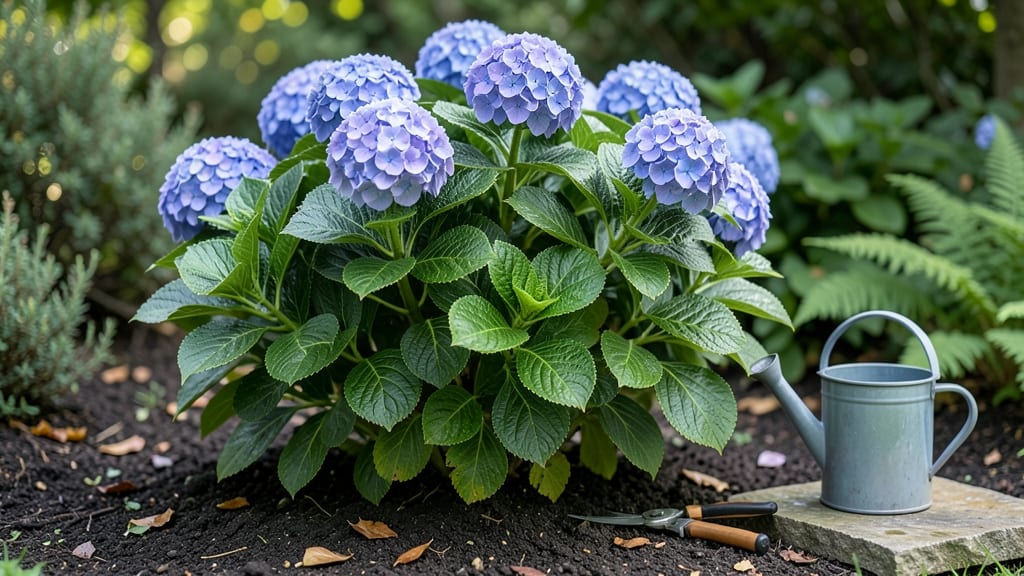
Growing hydrangeas in shady areas isn't just possible—it’s where they often shine brightest. 🌿 I’ve watched my Hydrangea macrophylla bloom into lush clusters of purple and pink under the dappled light of a mature oak, proving shade doesn’t mean sacrificing beauty.
The key lies in choosing the right varieties and giving them the care they crave in low-light conditions.
Start with soil that drains well but holds moisture—think rich, slightly acidic loam mixed with compost. Panicle hydrangeas (Hydrangea paniculata) thrive here, too, offering cone-shaped blooms that last from summer into fall. Water consistently (about 1 inch per week), and mulch to keep roots cool.
Prune in late winter or early spring to encourage fresh growth, but avoid cutting back into old wood unless you’re dealing with leggy stems.
You’ll notice the difference almost immediately: glossy leaves, sturdy stems, and blooms that stay vibrant longer than those in full sun. The trade-off?
Fewer flowers than sun-loving types, but the ones you get are often larger and more dramatic. Leaf yellowing? It’s usually a sign of overwatering or poor drainage—adjust your routine and watch them perk up.
This works for patios, woodland gardens, or even under trees where other plants struggle. With the right variety and a little patience, you’ll have hydrangeas that steal the show—even in the shade. Let’s get those roots settled!
📚 In This Guide
- What you need
- Instructions
- Tips and common mistakes
- Wrapping up and next steps
What you need
- ● Hydrangea plants: Choose shade-tolerant varieties like Hydrangea macrophylla (Bigleaf) or Hydrangea quercifolia (Oakleaf).
- ● Quantity: 1–3 plants per 4–6 sq. ft. of space (adjust for desired fullness).
- ● Well-draining potting soil or garden soil: 50% native soil + 50% organic matter (compost or peat moss).
- ● For containers: 1 gallon of high-quality potting mix per 6-inch pot.
- ● Organic mulch: 2–3 inches of shredded bark, pine needles, or wood chips (to retain moisture).
- ● Watering can or hose with a gentle spray nozzle.
- ○ Fertilizer (optional but recommended): Balanced, slow-release fertilizer (e.g., 10-10-10) or acidic fertilizer (for macrophylla varieties).
- ● Apply at planting and again in early spring.
- ● Garden trowel or spade (for digging holes, 6–8 inches deep).
- ● Gloves (to protect hands from thorns or soil).
- ● Pruning shears (for shaping or deadheading, sterilized with rubbing alcohol).
- ○ Container pots (optional): 12–15 inches in diameter with drainage holes (for patio or balcony gardens).
- ○ Soil pH test kit (optional): Ensure soil pH is 5.5–6.2 (hydrangeas love slightly acidic soil!).
- ○ Stakes or cages (optional): For tall varieties like quercifolia to support heavy blooms.
Step-by-Step guide to growing hydrangeas in shady gardens
Here's how I transform shady corners into lush hydrangea displays—no special tricks, just smart plant care.
🌱 Step 1: Select the Right Hydrangea Varieties for Low Light
Not all hydrangeas thrive in shade, so I focus on varieties bred for low-light conditions. Oakleaf hydrangeas (Hydrangea quercifolia) and Bigleaf hydrangeas like 'Annabelle' or 'Endless Summer' handle shade best. These types produce vibrant blooms even with just 3-4 hours of filtered light daily. Avoid lacecap hydrangeas—they need more sun to show their delicate flowers.
When shopping, check the plant tag for shade tolerance. I always look for terms like "partial shade" or "low-light adapted." These varieties won't just survive in shade—they'll flourish. Plant them in spring or early fall when temperatures are mild, giving roots time to establish before extreme heat or cold sets in.
🪴 Step 2: Prepare the Planting Site with Amended Soil
Hydrangeas in shade need well-draining, moist, and slightly acidic soil (pH 5.5-6.2 for blue blooms, 6.5+ for pink). I start by loosening the soil to a depth of 12-15 inches, removing any rocks or debris. For heavy clay soil, I mix in 2-3 inches of compost and a handful of peat moss to improve drainage and retain moisture.
Dig a hole twice as wide as the root ball but only as deep. This encourages roots to spread horizontally rather than settling too deep. Place the plant so the top of the root ball sits 1 inch above ground level—hydrangeas hate having their crown buried. Water the hole thoroughly before planting to help settle the soil around roots.
☀️ Step 3: Plant and Water for Immediate Root Support
Gently remove the hydrangea from its container and tease apart any circling roots. Place it in the hole, then backfill with soil, pressing lightly to eliminate air pockets. I always water deeply right after planting—1-2 gallons per plant—to help roots bond with the surrounding soil. This first watering also settles the soil and prevents transplant shock.
Mulch the base with 2-3 inches of wood chips or shredded bark, keeping it 3-4 inches away from the stem to prevent rot. Mulch conserves moisture and regulates soil temperature, which is crucial for shade-grown hydrangeas. Avoid thick mulch layers—they can suffocate roots and attract pests. Water again if the top inch of soil feels dry within the first week.
💧 Step 4: Maintain Consistent Moisture and Fertility
Shade-loving hydrangeas need consistent moisture—never let them dry out completely. I water 2-3 times per week during the growing season, aiming for 1-1.5 inches of water weekly. In extreme heat, I increase to daily shallow waterings to keep the root zone damp. Overhead watering is fine, but avoid wetting the foliage at night to prevent fungal diseases.
Feed with a balanced, slow-release fertilizer (10-10-10) in early spring and again after blooming. For blue flowers, I add aluminum sulfate (1 tablespoon per gallon of water) every 4-6 weeks during the growing season. Pink-flowering varieties don’t need this—just regular feeding. Prune spent blooms in late winter or early spring to encourage new growth and larger flowers.
✂️ Step 5: Prune and Monitor for Pests/Diseases
Prune hydrangeas in late winter or early spring before new growth starts. Remove dead, weak, or crossing branches, cutting just above a bud or lateral branch. For Bigleaf hydrangeas, I trim back 1/3 of the oldest stems to encourage new blooms. Oakleaf hydrangeas bloom on old wood, so I only prune to shape—never cut back into last year’s growth.
Watch for aphids, spider mites, or powdery mildew, common in shaded gardens. I treat aphids with a strong spray of water or neem oil, and powdery mildew with baking soda spray (1 tablespoon per quart of water). Avoid chemical pesticides—they can harm beneficial insects and disrupt the soil ecosystem. If leaves yellow, it’s often iron deficiency—apply chelated iron or compost to boost soil health.
Tips & tricks for thriving shade-grown hydrangeas
Transforming shady spots into vibrant hydrangea displays starts with these essential insights—learn how to maximize every ounce of low light.
Variety Selection Matters: Oakleaf hydrangeas are my go-to for shade—their stunning fall foliage and adaptability make them perfect for low-light gardens. When selecting Bigleaf varieties like 'Annabelle', look for plants labeled "low-light adapted" or "partial shade tolerant" at nurseries. These specific tags guarantee you're choosing plants that will actually thrive in your conditions rather than just survive. The 3-4 hours of filtered light mentioned in Step 1 should be dappled light—direct shade from dense trees can still be too much for some varieties.
Soil Science for Shade: The soil preparation in Step 2 is where many gardeners go wrong. For heavy clay soil, I recommend mixing in 4-5 inches of compost (not just 2-3) and adding 1 part peat moss to 3 parts soil—this creates the perfect moisture-retaining yet well-draining medium. Test your soil's pH before planting using a simple kit from garden centers. For blue blooms, aim for 5.5-6.2—you can lower pH by adding sulfur granules (1 pound per 100 square feet) and watering thoroughly. The 1 inch above ground level planting depth is critical—any deeper and the crown will rot.
Watering Wisdom: The 1-2 gallons per plant initial watering in Step 3 is non-negotiable, but what comes after is where most people fail. I've found that shade-grown hydrangeas need 30-50% more water than sun-loving varieties because their leaves don't evaporate moisture as efficiently. Use a rain gauge or tuna can to measure your weekly 1-1.5 inches of water—this ensures consistency. In extreme heat, switch to morning waterings only to prevent fungal diseases that thrive in damp foliage overnight. The mulch layer should be 2-3 inches thick but never touch the stem—this creates a perfect microclimate for roots.
Pruning Precision: When pruning Bigleaf hydrangeas in Step 5, I always cut back 1/3 of the oldest stems to just above the first set of leaves—this encourages robust new growth. For Oakleaf varieties, I use sharp pruners to make clean cuts at 45-degree angles just above outward-facing buds. The key is timing: prune in late winter when the plant is still dormant but before buds swell. This prevents removing next year's flower buds that form on old wood. Always sterilize your pruners with rubbing alcohol between cuts to prevent spreading diseases.
Pro Tips for Hydrangeas For Shady Areas
- Transforming shady spots into vibrant hydrangea displays starts with these essential insights—learn how to maximize every ounce of low light.
- Variety Selection Matters: Oakleaf hydrangeas are my go-to for shade—their stunning fall foliage and adaptability make them perfect for low-light gardens.
- Soil Science for Shade: The soil preparation in Step 2 is where many gardeners go wrong.
Frequently asked questions
Got questions about growing hydrangeas in shady spots?
You’re not alone! Here are answers to the most common concerns—so you can keep your low-light garden blooming beautifully.
What are the best hydrangea varieties for deep shade?
For areas with less than 3 hours of sunlight, opt for Oakleaf hydrangeas (Hydrangea quercifolia) or Bigleaf hydrangeas like ‘Annabelle’ or ‘Endless Summer.’ These varieties tolerate shade better than mophead types. Pro tip: ‘Limelight’ and ‘Little Lime’ also thrive in partial shade!
How long does it take for hydrangeas to bloom in shade?
Patience is key! Most hydrangeas take 1–3 years to establish and bloom, even in shade. Focus on consistent watering and well-draining soil to speed up growth. Evergreen varieties (like Oakleaf) may show foliage color sooner, offering year-round interest.
Do hydrangeas in shade need extra water?
Yes! Shady spots retain moisture longer, but hydrangeas still need 1–1.5 inches of water weekly. Let the top inch of soil dry out between waterings to prevent root rot. Mulch (2–3 inches) helps retain moisture and keeps roots cool—perfect for shade lovers!
What if my hydrangeas aren’t blooming in shade?
Check these fixes:
- Light: Ensure they get at least 3–4 hours of dappled sunlight (even filtered light helps).
- Pruning: Avoid cutting old wood (like on Oakleaf types) in late winter—this removes next year’s blooms!
- Nutrients: Feed with acidic fertilizer (like coffee grounds or hydrangea-specific food) in early spring.
Are there shade-tolerant alternatives to hydrangeas?
If hydrangeas prove tricky, try:
- Astilbe – Feathery plumes in pink/white; loves moist shade.
- Heuchera (Coral Bells) – Stunning foliage; thrives in deep shade.
- Ferns (e.g., Maidenhair or Holly Fern) – Lush texture with minimal light.
- Japanese Anemone – Late-season blooms in partial shade.
Wrapping up and next steps
Transforming your shady garden into a lush, vibrant space is easier than you think!
With the right hydrangeas for shady areas, you can enjoy stunning blooms and lush foliage—even where sunlight is scarce. 🌿 Whether you’re a seasoned gardener or just starting out, these low-light lovers are your perfect match.
Ready to take the next step? Pick your favorite variety, grab your gardening tools, and start planting! Your shady sanctuary will thank you with bursts of color all season long.