
Aphids
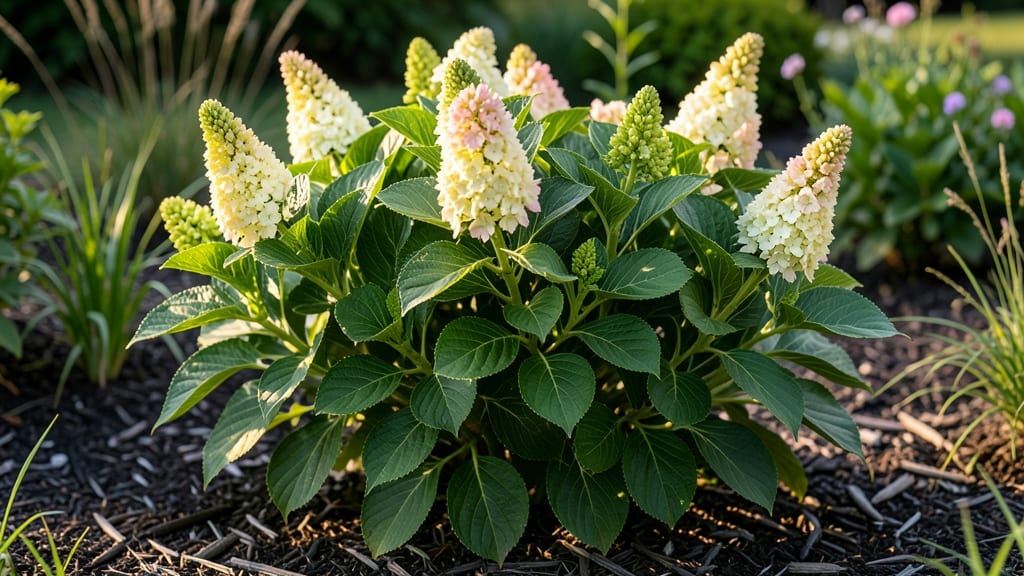
Growing Lime Rickey hydrangea means your garden gets a zesty pop of color without taking up much space. 🌿 I fell for this variety after seeing its bright lime-green blooms in a friend's tiny courtyard—now I grow it in every sunny spot I can find.
The secret to those signature colors isn't just luck; it's about soil pH, consistent moisture, and a little extra care that pays off in dramatic foliage. This hydrangea thrives in partial shade to morning sun, making it perfect for patios or under trees where other plants struggle.
The key to its compact growth? Pruning in late winter or early spring—just trim back the previous year's stems by about one-third, and you'll encourage bushier, more vibrant blooms.
Most gardeners overwater, but Lime Rickey actually prefers consistently moist (not soggy) soil—think of a wrung-out sponge, not a swamp. What makes this variety special is how its color shifts with soil pH: acidic soil (pH 5.0-5.5) brings out those lime-green blooms, while alkaline soil turns them blue.
Test your soil in early spring, and adjust with sulfur for acidity or lime for alkalinity if needed. The payoff? A plant that looks like a tropical vacation in your own backyard, with minimal fuss.
For pest control, watch for aphids on new growth—spray with neem oil if you see sticky residue on leaves. And here's a pro tip: deadhead spent blooms in summer to encourage another flush of flowers by fall.
Whether you're working with containers or garden beds, this hydrangea delivers big impact with small effort.
📚 In This Guide
- What you need
- Instructions
- Tips and common mistakes
- Wrapping up and next steps
What you need
- ● 1 gallon of fresh lime rickey (or homemade: 1 lime, ½ cup fresh mint, ½ cup sparkling water, ½ cup ice)
- ● 1 spray bottle (16 oz, with fine mist nozzle)
- ● 1 pair of gardening gloves (nitrile or cotton, for safety)
- ● 1 small hand trowel (for gentle soil aeration, if needed)
- ● 1 cup of aphid-free compost or worm castings (for nutrient balance)
- ○ 1 tablespoon of neem oil (optional but recommended for aphid prevention)
- ● Access to morning sunlight (for spraying, to avoid leaf burn)
- ● A well-draining pot (10–12 inches in diameter) or in-ground garden bed
- ○ pH testing kit (optional but helpful—hydrangeas thrive in acidic soil (5.2–6.0))
- ● Label or marker (to tag your lime rickey-treated plants!)
- ● 1 teaspoon of citric acid (to enhance soil acidity for blue blooms)
- ● Edible flowers (like nasturtiums) to attract pollinators and deter pests
- ● Decorative pebbles (for a chic, garden-ready look!)
Step-by-Step guide to growing lime Rickey hydrangeas in small spaces
This vibrant hydrangea thrives in tight spaces—here’s how to coax its citrusy charm into your garden.
🌱 Step 1: Pick the Perfect Planting Spot
Lime Rickey hydrangeas love morning sun and afternoon shade—think dappled light under trees or a bright patio corner. In hotter climates, they’ll appreciate 4-6 hours of filtered sun to prevent leaf scorch. I always test the spot for a week first: if your hand feels comfortable in the shade there, the plant will too.
Choose a location with well-draining soil—these hydrangeas hate soggy roots. If your soil is heavy clay, mix in 2-3 inches of compost before planting to improve drainage. The key is moisture without waterlogging; you’ll know you’ve got it right when water drains through the soil in 10-15 minutes after watering.
☀️ Step 2: Plant at the Right Depth and Stake if Needed
Dig a hole twice as wide as the root ball but only as deep as the container’s base. Lime Rickey hydrangeas have shallow roots, so planting too deep suffocates them. Gently loosen the roots if they’re circling the pot, then place the plant so the top of the root ball sits level with the ground. I always tap the soil lightly around the edges to remove air pockets.
For young plants, insert a 5-foot stake at a 45-degree angle and tie the main stem loosely with soft plant ties. This prevents flopping in wind or rain. Water deeply right after planting—1 gallon per plant—to help roots settle into the soil. You’ll see new growth in 2-3 weeks if everything’s just right.
💧 Step 3: Water and Feed for Vibrant Blooms
Keep the soil evenly moist but never soggy—Lime Rickey hydrangeas need 1 inch of water per week, more in extreme heat. I water at the base in the morning so leaves dry quickly, which prevents fungal issues. You’ll know moisture is right when the top 1-2 inches of soil feel damp but not wet.
Feed with a balanced 10-10-10 fertilizer every 4-6 weeks during the growing season (spring to fall). For extra citrusy blooms, add a handful of Epsom salt to the soil in early spring—it boosts magnesium, which enhances color. Stop fertilizing by mid-August so new growth hardens off before winter.
✂️ Step 4: Prune for Bushier Growth and More Flowers
Prune right after blooming (late summer) to shape the plant and encourage next year’s flowers. Cut back one-third of the oldest stems to the ground—this rejuvenates the bush. For newer stems, trim just above a set of 3-4 leaves to promote branching. I always sterilize my pruners with rubbing alcohol to prevent disease spread.
Remove any dead, diseased, or crossing branches first—they compete for nutrients. You’ll notice the plant fills out faster after pruning, with more compact growth and brighter blooms. Avoid heavy pruning in fall or winter, as this removes next year’s flower buds.
🪴 Step 5: Protect in Winter for Year-Round Growth
In USDA Zones 5-7, mulch the base with 3-4 inches of shredded bark after the first frost to insulate roots. For colder zones (below 5), wrap the plant in burlap and cover with a lightweight frost blanket. I always remove the blanket on warm days to prevent rot—hydrangeas need airflow even in winter.
Water sparingly in winter (only if the ground is frozen) to prevent root suffocation. You’ll see new shoots in early spring—that’s your cue to start fertilizing again. With proper winter care, your Lime Rickey will reward you with bold, citrusy blooms for years to come.
Tips & tricks for perfect lime Rickey hydrangea growth
These simple tricks will help your citrusy hydrangea thrive even in tight spaces.
Light Test: Before planting, test your spot for a full week—place your hand in the shade during peak afternoon hours. If it feels comfortable (not too hot or cold), your hydrangea will be happy there. This simple test prevents leaf scorch from too much sun exposure, especially in hotter climates where those 4-6 hours of filtered light become critical.
Root Ball Prep: When loosening circling roots in Step 2, use your fingers to gently separate them rather than pulling. I've found that scoring the root ball with a knife (just enough to break surface roots) helps encourage faster root spread into the soil. This small step makes all the difference in establishing your plant within those first 2-3 weeks of growth.
Watering Wisdom: The 10-15 minute drainage test is your best friend for soil moisture. After watering, stick a wooden skewer into the soil—if it comes out clean after that time, you've got perfect drainage. For container growing, I add a handful of perlite to the planting mix to ensure this quick drainage, which prevents the root rot that can kill these plants.
Pruning Pro Tip: When cutting back one-third of oldest stems in Step 4, look for stems that are thicker than a pencil—they're the ones that need rejuvenation. The 3-4 leaf rule works well, but I also make sure to leave at least one bud or leaf set higher up the stem to encourage new growth from that point. This targeted approach gives you bushier growth without sacrificing next year's blooms.
Pro Tips for Lime Rickey Hydrangea
- These simple tricks will help your citrusy hydrangea thrive even in tight spaces.
- Light Test: Before planting, test your spot for a full week—place your hand in the shade during peak afternoon hours.
- Root Ball Prep: When loosening circling roots in Step 2, use your fingers to gently separate them rather than pulling.
Frequently asked questions
Got questions about growing Lime Rickey hydrangeas? You’re not alone!
Here are answers to the most common queries—from pests to pruning—so you can keep your citrus-scented beauty thriving in even the smallest garden.
How do I prevent aphids on Lime Rickey hydrangeas?
Aphids love tender new growth! Start with neem oil or insecticidal soap (spray early morning/evening to avoid harming bees). For severe infestations, introduce ladybugs—they’re natural aphid predators. Prune affected stems below the damage and compost them far from your garden to stop spread. Pro tip: Encourage beneficial insects by planting dill or marigolds nearby!
When is the best time to prune Lime Rickey hydrangeas?
Prune right after flowering (late summer/early fall) to shape the plant and remove dead wood. Avoid heavy pruning in spring—this variety blooms on old wood, so cutting back too early may reduce flowers. For rejuvenation pruning, cut stems back by ⅓ in late winter (but only if the plant is overgrown). Timing matters: Never prune when buds are forming!
Can I grow Lime Rickey hydrangeas in containers?
This compact variety thrives in 12–15-inch pots with well-draining soil and partial shade. Use a hydrangea-specific potting mix and add perlite for aeration. Water consistently (containers dry out faster!) and fertilize monthly with acidic fertilizer (pH 5.5–6.2) during growing season. Bonus: Move pots to a sheltered spot in winter if temps drop below 10°F.
Why aren’t my Lime Rickey hydrangeas fragrant?
Fragrance fades if the plant is stressed—check for overwatering (root rot kills scent), nutrient deficiencies (yellow leaves = feed with citrus fertilizer), or too much sun (bleached leaves = move to partial shade). Deadhead spent blooms to encourage new growth, and avoid heavy pruning, which can reduce floral production. Fun fact: Morning sunlight enhances fragrance!
What’s a good alternative if I can’t find Lime Rickey?
Try these compact, fragrant hydrangeas:
- ‘Annabelle’ (snowball-shaped blooms, pest-resistant)
- ‘Limelight’ (lime-green flowers, heat-tolerant)
- ‘Endless Summer’ (reblooms, easy care)
- ‘Little Lime’ (dwarf variety, intense citrus scent)
For aphid-resistant options, oakleaf hydrangeas (like ‘Pee Wee’) are also great picks!
Wrapping up and next steps
Transforming your compact garden into a vibrant citrus oasis with lime rickey hydrangeas is easier—and more rewarding—than you think! 🌿 By blending the refreshing zest of lime with the classic beauty of hydrangeas, you’ve got a dynamic duo that thrives in small spaces while keeping pests like aphids at bay.
Whether you’re a seasoned gardener or just starting, this hack proves that big results come in small packages.
Ready to take the next step? Start small—plant a single lime rickey hydrangea this season and watch your garden (and confidence!) grow. Then, share your progress with fellow plant enthusiasts or experiment with other citrus-infused varieties. Your future garden will thank you! 🌟