
Light Requirements
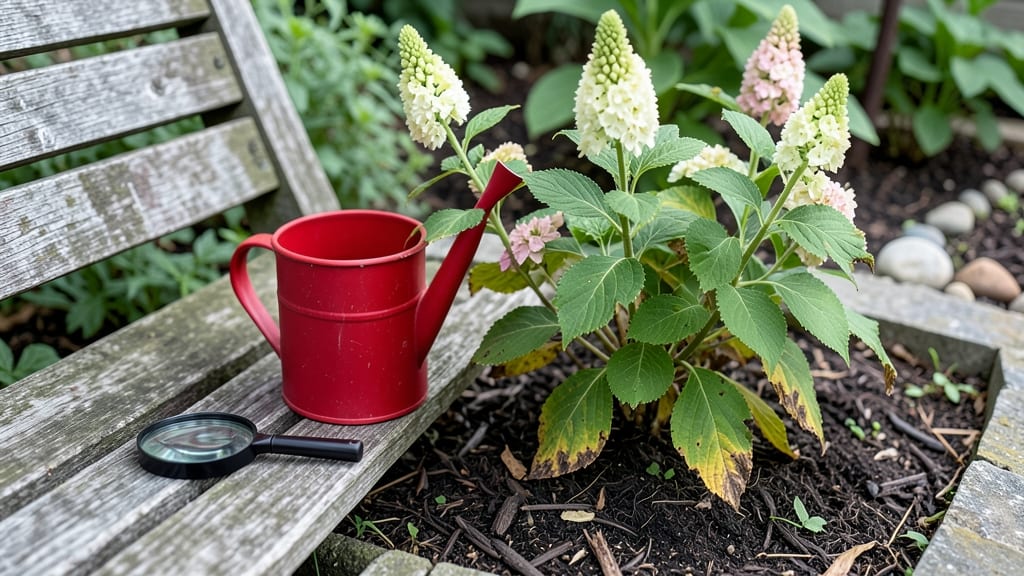
Limelight hydrangea leaves turning brown often means your plant is begging for better light—not more water or fertilizer. 🌿 I’ve seen this happen when shade-loving hydrangeas get stuck in bright afternoon sun, causing crispy edges and wilting.
The good news? Adjusting light exposure can revive them faster than you’d expect, often within days.
Start by checking where your hydrangea gets sun. Morning sun with afternoon shade is ideal—too much direct afternoon heat stresses the leaves, turning them brown and brittle. If your plant’s in full sun, move it to a spot with dappled light or use a sheer curtain to filter harsh rays.
Overwatering can mimic this stress, so let the top inch of soil dry out before watering again.
Once you adjust the light, watch for new growth within 10-14 days. Prune back any severely damaged leaves to encourage fresh foliage, and avoid fertilizing until the plant recovers—extra nutrients won’t help if the light is still wrong.
A simple shift can turn a struggling Limelight into a lush, vibrant bush again.
For extra protection, mulch around the base to retain moisture and shield roots from temperature swings. This works especially well in hot climates or windy spots. The key is patience—hydrangeas bounce back when given the right conditions, and your plant will thank you with glossy, green leaves by summer’s end.
Root Causes of Browning Leaves
When your Limelight hydrangea’s leaves start turning brown, it’s usually a cry for help from the plant itself. Understanding the why behind the browning is the first step to bringing it back to vibrant life.
Below, we break down the most common culprits—each with a clear scientific explanation and actionable fixes.
Why it happens: Limelight hydrangeas (Hydrangea paniculata ‘Limelight’) thrive in moist but well-drained soil. When roots sit in soggy conditions for too long, they suffocate due to lack of oxygen, leading to root rot (often caused by Phytophthora or Pythium fungi). As roots weaken, the plant can’t absorb water or nutrients efficiently, causing leaves to yellow (chlorosis) and then brown from the edges inward.
Key signs:
- Wilting despite wet soil
- Mushy, blackened roots when checked
- Brown, crispy leaf edges (like paper)
💡 Pro Tip: Test drainage by digging a hole near the plant, filling it with water, and timing how long it takes to drain. If it takes more than 2 hours, amend soil with perlite or sand (20-30% mix).
Why it happens: While hydrangeas love moisture, prolonged drought forces them to conserve water by closing stomata (leaf pores). Without enough hydration, cells plasmolyze (shrink), leading to brown, crispy leaf edges—a classic sign of desiccation. Young leaves may also fail to unfurl properly, appearing stunted and brown.
Key signs:
- Soil pulls away from pot edges (bone-dry)
- Leaves feel paper-thin and brittle
- Brown patches start at leaf margins and spread inward
✨ Quick Fix: Water deeply 1-2 times per week (more in extreme heat) and mulch with 2-3 inches of organic matter (shredded bark or compost) to retain moisture.
Why it happens: Limelight hydrangeas are part-shade lovers (4-6 hours of morning sun). When exposed to intense afternoon sun, especially in hot climates, their leaves can suffer sun scorch. UV radiation damages cell membranes, causing browning and bleaching (white/yellow patches). Over time, this weakens the plant’s ability to photosynthesize.
Key signs:
- Scorched, papery brown patches on sun-exposed sides
- Leaves may curl or crisp under direct rays
- New growth appears bleached or yellowed
🎯 Prevention:
- Morning sun only is ideal; avoid south-facing windows or full afternoon sun.
- Use light shade cloth (30-50%) if outdoors in hot zones.
- Gradually acclimate young plants to sun over 2-3 weeks.
Why it happens: Brown leaves can signal specific nutrient deficiencies:
- Magnesium deficiency (brown edges between veins) – Common in acidic soils.
- Potassium deficiency (brown leaf tips and margins) – Often seen in overwatered or stressed plants.
- Iron chlorosis (yellowing between veins, later browning) – Happens in alkaline soils (pH > 6.5).
Limelight hydrangeas prefer acidic soil (pH 5.5-6.2). If soil pH is off, they can’t uptake iron or manganese, leading to browning and stunted growth.
🔥 Fix It:
- Test soil pH (home kits work) and amend with sulfur (to lower pH) or lime (to raise it).
- Fertilize with a balanced hydrangea feed (10-10-10 or 12-4-8) in early spring.
- Chelated iron supplements can help if chlorosis is severe.
Why it happens: While less common, pests and pathogens can cause browning:
- Spider mites (tiny webs, stippled brown leaves) – They pierce cells, causing necrotic (dead) brown spots.
- Scale insects (sticky residue, yellowing/browning) – They sap nutrients, weakening leaves.
- Fungal leaf spot (brown spots with yellow halos) – Caused by Alternaria or Septoria in humid conditions.
👨🍳 Treatment:
- Blast off pests with neem oil (repeat weekly).
- Remove infected leaves and prune for airflow.
- Fungicide (copper-based) if spots spread rapidly.
Why it happens: Sudden temperature swings (frost, heatwaves, or cold drafts) can burn leaves or disrupt cell function.
Limelight hydrangeas are hardy (USDA Zones 3-8), but: - Frost damage causes brown, mushy leaves (common in early spring). - Heat stress (>90°F) leads to wilting and browning as stomata close to prevent water loss.
🌡️ Recovery Tips:
- Mulch heavily (4-6 inches) before winter to insulate roots.
- Avoid late-season fertilizing (new growth is frost-sensitive).
- Provide shade cloth during heatwaves (especially for container plants).
Revive Your Hydrangea’s Beauty
If your Limelight hydrangea leaves are turning brown, don’t panic—there’s a quick fix for each cause! The key is identifying the root issue first (like we covered earlier) and then taking targeted action. Below, we’ve mapped out practical solutions for the most common problems, along with prevention tips to keep your plant lush and vibrant.
If the brown edges look crispy or papery, your hydrangea is likely suffering from sunburn. Limelight hydrangeas thrive in partial shade, and too much direct sunlight—especially in hot afternoons—can cause damage.
🔥 How to Fix It:
- 🌳 Relocate your plant to a spot with morning sun and afternoon shade.
If outdoors, move it to a location with dappled sunlight (like under a tree with an open canopy). - 🛡️ Use shade cloth (30-50% coverage) if you can’t reposition it.
This filters harsh rays while still allowing light penetration. - 💧 Water deeply in the morning or evening to help cool the roots and leaves.
💡 Prevention Tips:
- ✨ Monitor leaf color—if new growth looks pale or yellow, it’s a sign of too much sun.
- 🌡️ Avoid placing near south-facing windows if growing in containers.
- 🌿 Mulch the base to keep soil moisture steady and reduce heat stress.
Brown, mushy leaves (often with yellowing) or a foul smell from the soil mean your hydrangea is root-bound or drowning. Limelight hydrangeas hate “wet feet”—their roots need airflow to stay healthy.
🍳 How to Fix It:
- 👨🍳 Check the soil moisture—stick your finger 2 inches into the soil. If it’s damp, wait before watering.
If it’s bone-dry, water thoroughly but avoid soggy conditions. - 🔪 Improve drainage by amending the soil with perlite or compost (aim for a mix that’s 60% organic, 40% inorganic). - 🏺 Repot if needed—if your hydrangea is in a container, ensure it has drainage holes and switch to a pot 1-2 inches larger.
🎯 Prevention Tips:
- 📊 Water only when the top inch of soil is dry—stick to a consistent schedule (e.g., 2-3 times per week in summer).
- 🌧️ Use a self-watering pot if you tend to overwater.
- ✨ Avoid letting it sit in saucers—empty excess water after 10 minutes.
Brown, crispy leaves that feel dry to the touch? Your hydrangea is thirsty. Unlike some plants, Limelight hydrangeas need consistent moisture to keep their foliage perky.
⏰ How to Fix It:
💧 Water deeply until it drains from the bottom of the pot (or seeps into the soil for in-ground plants).
Aim for 1-1.5 gallons per watering for mature plants. - 🌿 Mulch around the base with 2-3 inches of organic mulch (like shredded bark) to retain moisture. - 🌧️ Increase frequency—if the soil dries out in <3 days, water every other day during heatwaves.
🔥 Prevention Tips:
- 🌡️ Group plants together to create a microclimate that retains humidity.
- 💡 Use a moisture meter for accuracy—no more guessing!
- 🌿 Consider a drip irrigation system for large garden beds.
If brown patches have irregular edges or a fuzzy texture, your hydrangea might be battling powdery mildew or leaf spot. Fungal infections thrive in humid, stagnant conditions.
🔪 How to Fix It:
- 🛡️ Prune affected leaves with sterilized scissors (dip in rubbing alcohol first) to prevent spread.
- 🍄 Treat with fungicide—use a copper-based spray or neem oil solution (mix 1 tsp neem oil + 1 tsp mild soap + 1 quart water).
Spray every 7-10 days until new growth appears. - 🌬️ Improve airflow by spacing plants 2-3 feet apart and avoiding overcrowding.
✨ Prevention Tips:
- 💡 Water in the morning so leaves dry quickly.
- 🌿 Avoid overhead watering—use a soaker hose or drip system instead.
- 🌡️ Space out waterings—don’t let soil stay soggy for more than a day.
With these fixes, your Limelight hydrangea should bounce back in 2-4 weeks! The secret is acting fast—whether it’s adjusting light, water, or treating fungal issues. Once you’ve revived it, stick to the prevention tips to keep those leaves lush and green all season long.
Frequently asked questions
Can I save my Limelight hydrangea if the brown leaves are already crispy?
Yes, but act quickly! Trim the severely damaged leaves to prevent further stress, then adjust care immediately. If the issue is sunburn, move it to morning sun with afternoon shade. For drought stress, water deeply and mulch. Roots may still be healthy—new growth should appear in 2-3 weeks if you fix the underlying cause.
Why do my Limelight hydrangea leaves turn brown only on the edges?
This classic symptom usually means underwatering or sun scorch. Check soil moisture—if dry, water deeply until it drains. If the plant gets afternoon sun, relocate it to filtered light. Brown edges from dehydration start at leaf margins and spread inward, while sunburn causes crispy, papery patches.
How do I tell if my hydrangea has a fungal infection vs. environmental stress?
Fungal issues (like powdery mildew) show as fuzzy brown spots with yellow halos on upper leaves, often with white powder. Environmental stress causes uniform browning (edges or tips) without spots. Check undersides of leaves for webs (mites) or sticky residue (scale). Fungal problems thrive in humid, stagnant conditions.
Is it safe to prune brown leaves now, or should I wait?
Prune dead or severely damaged leaves immediately—they won’t recover and can drain energy. Use sterilized scissors to cut back to healthy green tissue. Avoid heavy pruning during extreme heat or cold. For fungal issues, remove infected leaves first, then treat with neem oil or fungicide before new growth appears.
My container-grown Limelight hydrangea has brown leaves—could it be root-bound?
Yes! Root-bound plants show brown leaves despite consistent watering because roots can’t absorb nutrients. Gently remove the plant and check roots—if they’re circling or packed tightly, repot into a container 1-2 inches larger with fresh, well-draining soil. Trim any circling roots before replanting to encourage new growth.