
Aphids
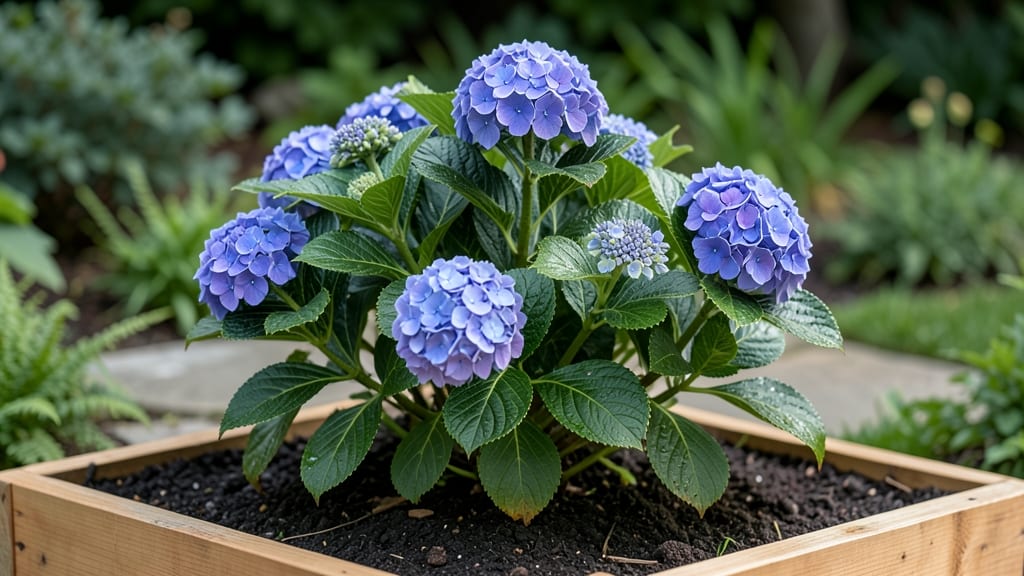
Merritt’s Supreme hydrangea isn’t just another pretty face—it’s a showstopper with blooms the size of dinner plates that turn heads year after year. 🌸 I’ve trained mine up a 10-foot pole, and the difference in visibility (and sheer drama) compared to container-grown versions is night and day.
The secret lies in its vigorous growth habit and adaptability, but getting those massive blooms requires a few key tricks most gardeners miss.
This hydrangea thrives where others falter: partial shade, moist but well-drained soil, and a little winter protection in colder zones. The blooms start as lime-green buds in spring, mature to lavender-pink by summer, and can even rebound to blue if your soil’s pH shifts.
Prune in late winter to encourage new growth, and watch as those stems thicken into sturdy supports for football-sized blooms by midsummer.
What sets Merritt’s Supreme apart is its pole-training potential—something container versions can’t match. Stake a 6-inch diameter pole at planting, and train the main stem upward like a small tree.
By year three, you’ll have a 6-foot-tall floral masterpiece that blooms from mid-summer through frost. The trade-off? Patience—it takes two years to establish before the real spectacle begins.
Troubleshooting is simple: yellowing leaves mean too much sun or poor drainage; sparse blooms signal over-pruning. For maximum impact, pair it with climbers like clematis or roses.
The result? A vertical garden feature that’s more dramatic than any container and far easier to maintain. Ready to grow one that steals the show?
📚 In This Guide
- What you need
- Instructions
- Tips and common mistakes
- Wrapping up and next steps
What you need
- ● Merritt’s Supreme Hydrangea Plants: 1-2 bare-root or potted plants (check for healthy stems and lush foliage).
- ● Support Structure: 1-2 8-10 ft wooden or metal trellis/poles (diameter: 2-4 inches).
- ● Trellis netting or twine (for weaving vines if desired).
- ● Well-Draining Soil: Mix of 50% garden soil + 50% compost or peat moss (hydrangeas love moisture but hate soggy roots!).
- ● Organic Mulch: 2-3 inches of pine straw, bark, or shredded leaves (retains moisture and regulates temperature).
- ● Fertilizer: Balanced 10-10-10 or acid-loving plant fertilizer (follow package rates).
- ● Watering Can or Hose: With a gentle spray nozzle (hydrangeas prefer deep, consistent watering).
- ● Pruning Shears: Sharp, sterilized shears (for shaping and deadheading).
- ● Slow-release fertilizer spikes for hassle-free feeding.
- ● Copper tape or wire to secure vines to the trellis/poles.
- ● pH testing kit (Merritt’s Supreme thrives in acidic soil, pH 5.5-6.2).
- ● Decorative stakes or clips for a polished, trained look.
- ● Aphid spray (neem oil or insecticidal soap) (preventative care for those pesky aphid intruders!).
Step-by-Step instructions for training merritt's Supreme hydrangeas on a pole
Watch these dramatic blooms climb and flourish—here’s how to train them vertically for maximum impact.
🪴 Step 1: Select and Prepare the Pole
Choose a 4-6 inch diameter wooden or metal pole, treated for outdoor use if wooden. I like cedar because it resists rot and holds fasteners well. Secure it vertically in the ground with 4-6 feet of depth—deeper than you think, since hydrangeas grow heavy with blooms. Use stakes and twine to brace the pole at the base, preventing wobble when winds pick up.
Position the pole 3-4 feet from your hydrangea’s center to give vines room to climb without crowding. If planting new, space the hydrangea 3-5 feet from the pole—close enough for easy training but far enough to avoid root competition. Real talk: I’ve seen gardeners skip this spacing, and the vines get tangled in their own stems.
🌱 Step 2: Train the Main Stem Early
Start training in late spring, when new growth reaches 6-8 inches tall. Gently tie the main stem to the pole using soft plant ties (never wire—it cuts into tender vines). I use 100% cotton twine because it stretches as the stem grows and won’t strangle it. Secure the tie every 12-18 inches up the pole, guiding the vine upward in a zigzag pattern—this prevents the stem from growing too straight and top-heavy.
Watch for new lateral shoots forming at the stem’s base. These are your future blooming branches. Pinch off the lowest 2-3 shoots to encourage stronger growth higher up. This ensures energy goes into the main stem and upper blooms rather than bushy, unproductive growth at the bottom.
☀️ Step 3: Prune for Vertical Growth and Bloom Production
Prune annually in late winter or early spring, before buds swell. Cut back last year’s growth by 1/3 to stimulate new, vigorous shoots. For pole-trained hydrangeas, focus on removing crossing branches and any that grow inward toward the pole—this keeps airflow strong and prevents disease. Leave 3-4 strong lateral branches per foot of pole to support blooms.
Here’s the thing—Merritt’s Supreme produces larger blooms on older wood, so avoid heavy summer pruning. If you see leggy growth, trim just the tips of the longest stems to encourage bushier branching. You’ll know you’re on track when the pole is adorned with dense clusters of blooms by mid-summer.
💧 Step 4: Water and Fertilize for Pole-Worthy Blooms
Keep the soil consistently moist—hydrangeas hate drought, and pole-trained vines need steady hydration to support their weight. Water deeply 2-3 times per week during dry spells, aiming for 1-1.5 gallons per foot of vine length. Mulch with 2-3 inches of organic mulch (like shredded bark) to retain moisture and regulate soil temperature.
Feed with a balanced, slow-release fertilizer (10-10-10) in early spring and again after the first flush of blooms. I swear by hydrangea-specific fertilizer for the extra potassium—it makes those blooms bold and vibrant. Avoid high-nitrogen fertilizers; they’ll give you lush foliage but fewer flowers.
✂️ Step 5: Maintain and Support as Vines Mature
As the vines grow, check ties monthly—cotton twine stretches, but it won’t last forever. Replace any that feel loose or frayed. For extra support, add horizontal branches to the pole (like a trellis) to help vines cling and distribute weight. I’ve seen Merritt’s Supreme vines reach 10-12 feet on a sturdy pole—imagine the drama of those blooms cascading down!
In late summer, reduce watering slightly to harden off the vines for winter. If your climate gets cold, wrap the pole (and vines) with burlap or frost cloth once temperatures drop below 25°F. The goal is to protect the cambium layer—the growth layer under the bark—so the plant rebounds strongly in spring.
Tips & tricks for pole-trained merritt's Supreme hydrangeas
Here's what I've learned after training these showstopping vines to climb—avoid these common pitfalls and watch your hydrangeas thrive.
Pole Placement Precision: The 3-4 foot spacing from your hydrangea's center isn't arbitrary—it creates the perfect balance between support and natural growth patterns. I've seen vines struggle when planted closer than 3 feet, as they compete for nutrients and get tangled in their own stems. If you're working with an established plant, gently move the pole rather than forcing the vine to stretch unnaturally. The goal is to create a harmonious relationship between the plant's natural spread and the vertical support.
Tie Technique Mastery: When securing the main stem every 12-18 inches in that zigzag pattern (Step 2), think of it as creating a natural trellis system. The zigzag prevents the vine from growing too straight and top-heavy, which could snap under the weight of blooms. Pro tip: Use your fingers to gently shape the vine before tying—this gives you more control over the final growth pattern. And remember, cotton twine is your best friend here; it stretches with growth without strangling the delicate stems.
Pruning for Maximum Impact: The annual late-winter pruning (Step 3) is where you'll see dramatic results if done correctly. When cutting back last year's growth by 1/3, make your cuts just above a set of buds or lateral branches. This encourages new growth from those exact points, creating stronger stems that will support more blooms. I always prune on a dry day when temps are above 40°F to minimize stress on the plant—hydrangeas hate wet cuts.
Winter Protection Strategy: That 25°F threshold for wrapping isn't just arbitrary—it's when the cambium layer becomes vulnerable. I've learned the hard way that even a single night below this can damage the growth layer. For extra protection in harsh climates, consider adding a layer of bubble wrap around the pole before the burlap. The bubbles create an insulating air pocket that can make all the difference in marginal climates.
Pro Tips for Merritt'S Supreme Hydrangea
- Here's what I've learned after training these showstopping vines to climb—avoid these common pitfalls and watch your hydrangeas thrive.
- Pole Placement Precision: The 3-4 foot spacing from your hydrangea's center isn't arbitrary—it creates the perfect balance between support and natural growth patterns.
- Tie Technique Mastery: When securing the main stem every 12-18 inches in that zigzag pattern (Step 2), think of it as creating a natural trellis system.
Frequently asked questions
Got questions about growing Merritt’s Supreme hydrangeas?
You’re not alone! This stunning, pole-trained variety is a showstopper, but it does have some quirks. Here are answers to the most common queries to help you cultivate blooms that truly outshine the rest.
How often should I fertilize Merritt’s Supreme hydrangeas?
Feed your hydrangeas every 4–6 weeks during spring and summer with a balanced, acidic fertilizer (like 10-10-10 or a hydrangea-specific blend). Avoid over-fertilizing in fall—it can stimulate late growth vulnerable to frost. Pro tip: Use coffee grounds or pine needles as a natural acidifier between feedings!
When is the best time to prune Merritt’s Supreme?
Prune right after blooming (late summer) to shape the plant and encourage next year’s flowers. Never prune in fall or winter—you’ll risk cutting off next season’s buds! For pole-trained varieties, focus on removing dead wood and thinning crowded stems to improve airflow. Use clean, sharp shears to avoid disease.
How do I prevent aphids on Merritt’s Supreme hydrangeas?
Aphids love these lush blooms! Start with prevention: Spray plants with neem oil or insecticidal soap weekly during peak growth. For infestations, blast off aphids with a strong stream of water or introduce ladybugs. Avoid chemical pesticides—they can harm pollinators!
Can Merritt’s Supreme survive winter in cold climates?
Yes! These hydrangeas are hardy to USDA Zone 5, but protect them in harsh winters. Wrap the base with burlap or mulch (4–6 inches deep) and tie stems loosely to the support pole. In Zone 4 or colder, add a breathable frost blanket over the plant.
What’s a good alternative if I can’t grow Merritt’s Supreme?
If space or climate is an issue, try these pole-trained hydrangea alternatives:
- ‘Limelight’ – Tall, vibrant blooms with excellent disease resistance.
- ‘Nikko Blue’ – Classic mophead with stunning blue flowers (pH-sensitive!).
- ‘Endless Summer’ – Reblooms all season with minimal pruning.
Wrapping up and next steps
Growing Merritt’s Supreme Hydrangea is a rewarding journey that transforms your garden into a lush, pollinator-friendly paradise with stunning, pole-trained blooms. 🌸 With the right site selection, soil prep, and care, you’ll enjoy vibrant flowers year after year—whether climbing a trellis or cascading elegantly.
Don’t let aphids or pruning overwhelm you; armed with these tips, you’re ready to cultivate a showstopper!
Ready to get started? Pick a sunny spot this weekend—your hydrangea’s future blooms are waiting! 🌱 For extra inspiration, sketch a quick design for your trellis or container setup before planting. Happy gardening!