
Aphids
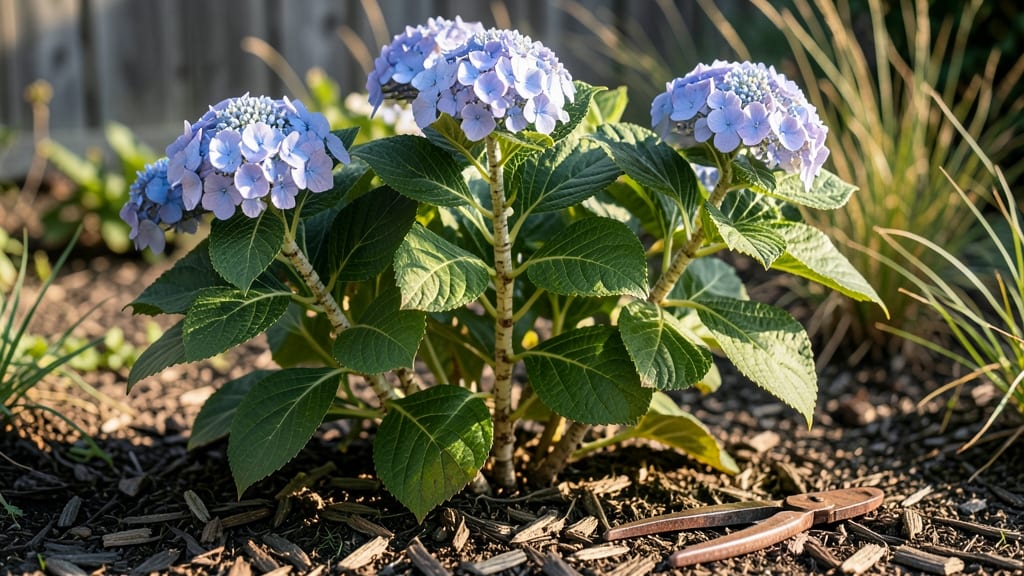
Planting the Oakleaf Hydrangea 'Amethyst' changed my backyard from ordinary to showstopping. 🌿 This isn't your average shrub—it's a year-round star with deep purple blooms that last from summer into fall, plus stunning foliage that turns fiery red in winter.
The key to getting that vibrant purple (not green!) lies in sunlight, soil, and a little pruning patience.
Start with morning sun and afternoon shade—too much direct sun scorches the leaves, while too little dulls the blooms. Amend heavy clay soil with compost to keep roots happy and water deeply once a week (drought stress turns flowers green).
Most gardeners overwater, so let the top inch dry between drinks. The real magic happens when you train it up a trellis or pole—it grows 8-10 feet tall but stays compact with support.
Prune in late winter or early spring before new growth starts. Cut back one-third of the oldest stems to encourage fresh blooms and keep the shape tidy. The first year, focus on establishing roots—skip heavy pruning until you see strong growth.
By summer, you'll have 3-foot-tall clusters of lavender-purple blooms that smell like a secret garden.
Troubleshooting is simple: yellow leaves mean overwatering; brown edges mean too much sun. For extra purple, add a handful of cottonseed meal (high nitrogen) in spring. This hydrangea thrives in zones 5-9, making it perfect for northern gardens that want color without fuss.
Once established, it's drought-tolerant and nearly pest-free—just don't let it dry out completely.
📚 In This Guide
- What you need
- Instructions
- Tips and common mistakes
- Wrapping up and next steps
What you need
- ● Oakleaf Hydrangea 'Amethyst' (1-3 mature plants or 3-5 young nursery-grown shrubs for fuller coverage). Check for healthy foliage and vibrant buds!
- ● Pole or trellis system: 1-2 bamboo poles (5-6 ft tall, 1-2 inches in diameter) OR
- ● 1 metal/powder-coated wooden trellis (5-7 ft tall, with horizontal crossbars every 12-18 inches).
- ● Soft plant ties: 10-15 jute or fabric garden ties (3-4 ft long) to avoid damaging stems.
- ● Pruning tools: 1 pair bypass pruners (for clean cuts).
- ● 1 hand pruner (for smaller stems).
- ● Mulch: 2-3 bags of organic mulch (e.g., shredded bark or pine straw) to retain moisture and suppress weeds.
- ● Gloves (1 pair gardening gloves for protection).
- ● Stakes or mallet (to secure poles into the ground).
- ● Fertilizer: 1 slow-release granular fertilizer (10-10-10 or acid-loving plant formula).
- ○ Optional: 1 bottle hydrangea-specific fertilizer (for extra blooms!).
- ● Watering can or hose (with a gentle spray nozzle to avoid damaging new growth).
- ○ Decorative elements (optional): Twine or decorative ribbon (for a polished look).
- ● Small solar-powered garden lights (to highlight your pole-trained masterpiece!).
Step-by-Step guide to training oakleaf hydrangea 'Amethyst' on a pole
Transform this stunning variety into a vertical masterpiece with these proven techniques.
🪴 Step 1: Select and Prepare Your Pole
Choose a sturdy 4-6 foot tall wooden or metal pole with a smooth surface—rough textures can damage tender stems. I prefer untreated cedar because it resists rot and blends naturally with the garden. Drive the pole into moist soil to a depth of 12-18 inches for stability, leaving 3 feet exposed above ground level.
Wrap the pole with 1-inch wide landscape fabric strips spaced 6 inches apart vertically. This creates gentle support points while allowing airflow to prevent fungal issues. Secure each strip with twist ties or soft plant ties—never use wire or anything that could cut into the stems. The fabric should be snug but not tight enough to restrict growth.
🌱 Step 2: Plant and Prune for Vertical Growth
Plant your Oakleaf Hydrangea 'Amethyst' in partial shade with morning sun and afternoon shade—this variety thrives with 4-6 hours of filtered light daily. Amend the soil with 2-3 inches of compost mixed into the top 12 inches of planting hole for optimal drainage. The plant's natural weeping habit makes it perfect for pole training, but you'll need to shape it early.
After planting, prune back the previous year's growth by one-third to encourage new, flexible stems that will climb the pole. Look for 4-6 strong, upright stems—these will become your main vertical leaders. Remove any crossing branches now to prevent future rubbing that weakens the wood. You'll see fresh, vibrant growth within 4-6 weeks that you'll guide upward.
✂️ Step 3: Train and Secure New Growth
When new shoots reach 6-8 inches tall, gently weave them through the fabric strips on your pole. Start with the strongest stems and work your way through the others. I like to use soft plant ties made from cotton or jute to secure each stem at the fabric points—never tie directly to the pole itself. This method allows the stems to flex slightly in wind without breaking.
Watch for the plant's natural climbing tendency—Oakleaf Hydrangeas produce long, flexible stems that will wrap around the pole if given support. Remove any suckers that grow from the base and redirect their energy upward. You'll know you're doing it right when the plant shows new leaves emerging along the vertical stems rather than sprawling outward. Rotate the pole occasionally to ensure even sun exposure on all sides.
💧 Step 4: Maintain Through the Growing Season
Water deeply 2-3 times per week during the first growing season, keeping the soil consistently moist but never soggy. Oakleaf Hydrangeas have shallow roots that benefit from 1-2 inches of mulch around the base to retain moisture and regulate temperature. Fertilize lightly with balanced 10-10-10 formula in early spring and again after flowering to support both foliage and bloom production.
Prune lightly throughout the season to maintain the vertical form. Remove any flowers that appear on lower stems to encourage upward growth. In late summer, when you see new flower buds forming, reduce watering slightly to help the plant prepare for dormancy. The 'Amethyst' variety's foliage will develop stunning fall colors—purples, reds, and oranges—that will be even more dramatic when trained vertically.
⏰ Step 5: Winter Care for Next Season's Growth
Before the first hard frost, wrap the pole and plant with burlap or frost cloth to protect against winter winds. Oakleaf Hydrangeas are hardy, but young plants benefit from extra insulation. Leave the plant attached to the pole through winter—this support helps prevent stem breakage from snow accumulation.
In early spring, before new growth begins, remove the winter wrap and check the plant ties. Replace any that have degraded over winter. You'll see new shoots emerging from the base and along the pole—these will form your next year's vertical display. The key to long-term success is patience; it takes 2-3 seasons for a pole-trained Oakleaf Hydrangea to reach its full vertical potential, but the dramatic effect is worth the wait.
Tips & tricks for pole-trained oakleaf hydrangea 'Amethyst'
These garden secrets will help you transform your sprawling hydrangea into a stunning vertical focal point without the common pitfalls.
Pole Selection Wisdom: While cedar is ideal, you can use treated lumber or metal poles if cedar isn't available—but avoid pressure-treated wood, as the chemicals can leach into the soil. For metal poles, choose powder-coated options to prevent rust that could damage stems. The key is smoothness: rough surfaces create friction that can scar tender new growth during training. I've even used bamboo stakes in a pinch for smaller plants, though they require more frequent adjustments as they degrade.
Pruning Strategy: When you prune back that one-third of last year's growth in Step 2, focus on removing stems that are thinner than a pencil—these won't support vertical growth well. The remaining 4-6 strong stems should be about the thickness of your pinky finger. This selective pruning creates the perfect framework for your vertical display while preventing overcrowding that leads to weak, leggy growth. Think of it as creating a natural trellis system from within the plant itself.
Training Timing: Those 6-8 inch shoots in Step 3 are the sweet spot for training—any shorter and they're too fragile, any taller and they may have already set their growth direction. I've found that training in early morning gives stems time to adjust to their new position before afternoon heat stress. Watch for the plant's natural tendency to spiral upward; this natural growth pattern makes Oakleaf Hydrangeas perfect candidates for pole training without forcing unnatural growth habits.
Seasonal Maintenance: The 2-3 times weekly watering in Step 4 needs adjustment based on your climate. In hot, dry summers, you might need daily watering for the first few weeks until the plant establishes its shallow root system. For the mulch, I recommend using shredded hardwood or pine bark—these break down slowly and improve soil structure over time. The key is keeping that mulch 2-3 inches away from the stem to prevent rot while still protecting those shallow roots from temperature fluctuations.
Pro Tips for Oakleaf Hydrangea Amethyst
- These garden secrets will help you transform your sprawling hydrangea into a stunning vertical focal point without the common pitfalls.
- Pole Selection Wisdom: While cedar is ideal, you can use treated lumber or metal poles if cedar isn't available—but avoid pressure-treated wood, as the chemicals can leach into the soil.
- Pruning Strategy: When you prune back that one-third of last year's growth in Step 2, focus on removing stems that are thinner than a pencil—these won't support vertical growth well.
Frequently asked questions
about Oakleaf Hydrangea 'Amethyst'—because even the most stunning plants come with a few curious quirks!How fast does 'Amethyst' grow, and how big will it get?
'Amethyst' grows at a moderate pace—about 12–24 inches per year under ideal conditions. When trained as a pole plant, it typically reaches 6–10 feet tall with a 3–5-foot spread. Patience is key, but its slow-and-steady growth ensures sturdy, long-lasting structure.
When is the best time to plant or transplant 'Amethyst'?
Spring or early fall are the sweet spots! Planting in spring (after the last frost) gives roots time to establish before summer heat, while fall (4–6 weeks before frost) lets them settle in for winter. Avoid transplanting in extreme heat or cold—midday sun is your enemy!
Can 'Amethyst' survive winter in colder climates?
This hydrangea is hardy to USDA Zones 5–9, meaning it thrives in freezing temps (down to -20°F/-29°C). For extra protection in Zone 5, mulch heavily around the base and wrap the pole in burlap during harsh winters. Prune lightly in late winter to avoid damaging dormant buds.
What should I do if my 'Amethyst' gets aphids or other pests?
Aphids are the least of this hydrangea’s worries, but they can still show up! Blasts of water (hose them off) or a soapy water spray (1 tsp mild soap per quart of water) usually does the trick. For stubborn infestations, try neem oil—it’s organic and effective. Ladybugs are your natural allies too!
Why aren’t my leaves turning the deep purple I expected?
Color intensity depends on light, soil pH, and fertilizer. For amethyst hues, ensure it gets partial shade (morning sun + afternoon shade). Test your soil—acidic pH (5.0–6.0) enhances purple tones. A low-phosphorus fertilizer (like 10-10-10) in spring can also boost vibrancy.
What’s a good alternative if 'Amethyst' isn’t available?
If you’re smitten with pole-trained hydrangeas, try 'Annabelle' (white blooms, Zone 3–9) or 'Limelight' (chartreuse, Zone 4–9). For purple foliage, Oakleaf 'Purple Pages' or Smokebush ('Purple Smoke') are stunning swaps—just check their light and water needs!
Wrapping up and next steps
The Oakleaf Hydrangea 'Amethyst' is a stunning choice for adding year-round beauty and low-maintenance elegance to your garden. With its vibrant foliage, adaptability, and pest-resistant traits, it’s perfect for both beginners and seasoned gardeners alike.
Now that you’re equipped with the right knowledge, why not plant one today and enjoy its breathtaking display? 🌿✨
Start by selecting a sunny or partially shaded spot, and soon you’ll be rewarded with a living masterpiece that thrives with minimal effort. Happy gardening!