
Aphids
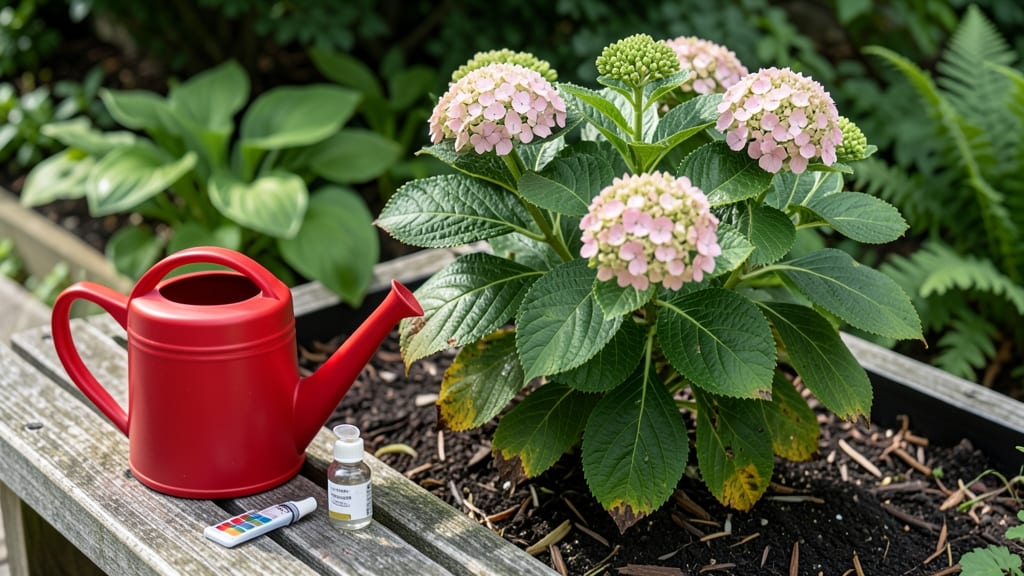
Those pinky winky hydrangea problems with fading blue blooms? The soil pH is almost always the sneaky villain behind the curtain.
I’ve nursed back more than a dozen of these finicky beauties, and the fix is simpler than you’d think: a targeted soil adjustment that restores that signature color while boosting overall health.
The moment you see those leaves turning yellow or blooms fading to pink, you know it’s time to act.
Most problems start with soil that’s either too alkaline or too acidic, throwing off the plant’s ability to produce vibrant blue flowers. Powdery mildew or spider mites often follow when stress sets in, and those tiny pests can turn lush foliage into a skeleton in weeks.
The good news? A simple soil test and a few organic amendments can turn things around faster than you’d expect—sometimes within just 4-6 weeks of proper care.
By the end of this, your hydrangea will be thriving with those deep, jewel-toned blooms again, and you’ll know exactly how to keep them that way. We’ll tackle the root causes—literally—and show you how to prevent future issues so you can enjoy your garden’s star performer all season long.
Whether you’re dealing with leaf curl, weak stems, or just lackluster blooms, the solutions here work for every stage of the problem. Let’s get those blue blooms back where they belong!
Root Causes of Pinky Winky Hydrangeas
If your Hydrangea macrophylla (the classic bigleaf variety) is sporting pink instead of blue blooms, it’s not a disease—it’s a pH party crash. The color shift happens because hydrangeas are chemical chameleons, reacting to soil acidity (or lack thereof) to change their flower hues.
But why does this happen in the first place? Let’s dig into the science behind the pinky winky transformation.
Hydrangeas get their blue pigment from delphinidin, an anthocyanin compound that thrives in acidic soil (pH 5.0–5.5). When soil pH rises above 6.0, the plant switches to red/pink pigments (cyanidin and pelargonidin), turning your once-blue blooms into a blush-toned disappointment.
- 🌱 How it happens: Over time, soil naturally becomes more alkaline due to:
- Decomposition of organic matter (raises pH)
- Lime or fertilizer runoff (common in suburban gardens)
- Hard water irrigation (high in calcium and magnesium)
- 📉 The tipping point: At pH 5.5–6.0, blooms start fading from blue to purple. Above 6.0, they turn pink or red.
- 💡 Pro tip: Test your soil with a home pH kit (or send a sample to a local extension office) for precise readings. Most garden centers sell them for under $10.
While hydrangeas love moisture, waterlogged soil creates the perfect storm for pH shifts. Here’s why:
| Problem | How It Affects pH | Fix It |
|---|---|---|
| Stagnant water | Traps oxygen-depleting microbes that raise soil pH over time. | Amend soil with perlite or sand to improve drainage. |
| Hard water (high in calcium/magnesium) | Neutralizes acidity, pushing pH upward. | Use rainwater or distilled water for irrigation. |
| Compacted soil | Restricts root growth, leading to stress-induced pH changes. | Add compost or pine bark to loosen soil. |
💡 Pro tip: If your tap water is hard, collect rainwater in barrels or install a water softener for your garden hose.
Not all fertilizers are created equal—some are pH saboteurs in disguise. Here’s what’s likely throwing your soil’s acidity off balance:
- 🚫 Lime-based fertilizers: Directly raise pH, turning blue blooms pink overnight.
- 🚫 High-phosphorus feeds: Can acidify soil short-term, but overuse leads to alkaline buildup.
- ✅ The fix: Use an acid-loving plant fertilizer (like Miracle-Gro Azalea/Camellia) or organic options like:
- Cottonseed meal (lowers pH naturally)
- Peat moss (acidic, improves soil structure)
- Aluminum sulfate (for quick pH drops—use sparingly!)
💡 Pro tip: Avoid slow-release fertilizers with lime—check labels for "calcium carbonate" or "dolomitic lime".
Hydrangeas under nutritional stress, drought, or disease may produce pink blooms as a survival tactic. Here’s how:
- 💧 Drought stress: Roots struggle to absorb nutrients, triggering anthocyanin production (the same pigment that makes apples red).
- 🍄 Fungal/bacterial infections: Weakened plants may shift pigmentation as a defense mechanism.
- 🍽️ Nutrient deficiencies:
- Low magnesium → Poor chlorophyll → Pinkish blooms.
- High nitrogen → Leafy growth over flowers (and weaker pigment control).
💡 Pro tip: If your hydrangea is drooping or yellowing, it’s not just a pH issue—check for pests (like aphids) or root rot first.
Where you plant your hydrangea directly impacts soil chemistry. Here’s how:
- ☀️ Too much sun: Dries out soil faster, increasing pH in clay-heavy soils.
- 🌳 Too much shade: Slows decomposition, but organic matter breaks down differently—sometimes making soil more alkaline.
- 🪨 Soil type:
- Clay soil → Holds water, traps alkaline minerals.
- Sandy soil → Drains fast, may need more frequent pH adjustments.
💡 Pro tip: Morning sun + afternoon shade is ideal for hydrangeas—it keeps soil moist without baking it.
Revive Your Hydrangeas Naturally
If your Pinky Winky hydrangeas are struggling with color shifts, wilting, or pest issues, don’t panic—most problems have simple, effective fixes. Below, we’ll tackle the most common issues with step-by-step solutions and prevention tips to keep your blooms vibrant and healthy.
If your hydrangeas are turning pink instead of blue, the soil pH is likely too alkaline. Here’s how to adjust it:
🍳 Adjust Soil pH for Blue Blooms
- Test Your Soil 📊
- Use a soil pH test kit (available at garden centers) to confirm alkalinity (pH 7+).
- Ideal pH for blue blooms: 5.0–5.5 (acidic).
- Add Acidifiers 🌱
- Sulfur or aluminum sulfate: Mix 1–2 tablespoons per gallon of water and water the soil monthly.
- Cottonseed meal or peat moss: Work 1–2 inches into the topsoil in early spring.
- Coffee grounds (free & natural): Sprinkle ½ cup around the base every few weeks.
- Monitor & Reapply ⏰
- Retest soil pH after 4–6 weeks. Repeat applications if needed.
💡 Prevention Tips
- Mulch with pine needles or oak leaves to naturally acidify soil over time.
- Avoid lime or wood ash, which raise pH and turn blooms pink.
- Water deeply but infrequently—hydrangeas hate soggy roots!
Tiny green or black bugs (aphids, spider mites, or scale) can sap your hydrangeas’ energy. Here’s how to evict them:
👨🍳 Homemade Sprays (Safe & Effective)
- Soap Spray 🧼
- Mix 1 tbsp mild liquid soap + 1 quart water in a spray bottle.
- Drench both tops and undersides of leaves every 3–4 days until pests vanish.
- Neem Oil Solution 🌿
- Combine 1 tbsp neem oil + 1 tsp dish soap + 1 quart water.
- Spray early morning or evening (avoid direct sun—it burns leaves).
- Reapply every 5–7 days for 2–3 weeks.
- Introduce Beneficial Insects 🐞
- Ladybugs and lacewings eat aphids naturally. Buy them online or from garden centers.
🔪 Severe Infestations?
- Horticultural oil or insecticidal soap (follow label instructions).
- Prune heavily infested stems and dispose of them in sealed bags.
🎯 Prevention Tips
- Inspect plants weekly—catch pests early!
- Encourage biodiversity: Plant marigolds, basil, or dill nearby to repel pests.
- Avoid over-fertilizing with nitrogen—soft new growth attracts aphids.
Droopy hydrangeas usually mean overwatering, underwatering, or root stress. Here’s how to diagnose and fix:
💧 Watering Right
- Check soil moisture: Stick your finger 1–2 inches deep—if dry, water deeply.
If soggy, hold off. - Water at the base, not the leaves, to prevent fungal diseases. - Use well-draining soil: Mix in perlite or compost if your soil is heavy clay.
🌱 Root Health Boost
- Aerate Compacted Soil 🔨
- Gently loosen soil around the base with a fork to improve drainage.
- Fertilize Lightly 🌿
- Use a balanced, slow-release fertilizer (10-10-10) in early spring.
- Avoid high-nitrogen fertilizers—they burn roots.
🌡️ Heat & Sun Stress
- Provide afternoon shade if leaves scorch in hot climates.
- Mulch with straw or shredded bark to retain moisture.
Once your hydrangeas bounce back, keep them thriving with these proactive steps:
- Prune in late winter/early spring (remove dead stems, thin crowded branches).
- Deadhead faded blooms to encourage new growth.
- Rotate pots (if container-grown) to ensure even sunlight.
- Winterize in cold climates: Wrap containers or mulch heavily.
With the right care, your Pinky Winky hydrangeas will reward you with vibrant blue blooms all season long! 🌸
Frequently asked questions
Why are my Pinky Winky hydrangea blooms turning pink instead of blue?
The color shift happens because your soil pH is too alkaline (above 6.0). Hydrangeas produce blue flowers in acidic soil (pH 5.0–5.5), but when the pH rises, they switch to pink pigments. Test your soil and amend it with sulfur, aluminum sulfate, or coffee grounds to restore that signature blue.
What are the tiny black bugs on my hydrangea leaves?
Those are likely aphids or spider mites, common pests that suck plant sap. Treat them with a soapy water spray (1 tbsp mild soap + 1 quart water) or neem oil solution (1 tbsp oil + 1 tsp soap + 1 quart water). Spray both leaf surfaces every 3–4 days until they disappear.
Can I use regular garden soil for my Pinky Winky hydrangea?
No—hydrangeas need acidic, well-draining soil. Mix your garden soil with peat moss, compost, and perlite (equal parts) to create the ideal environment. Avoid lime or wood ash, which raise pH and turn blooms pink.
How often should I water my Pinky Winky hydrangea?
Water deeply 1–2 times per week, ensuring the top 2–3 inches of soil stay moist but not soggy. Hydrangeas hate dry soil but also dislike waterlogged roots. Mulch with pine bark or straw to retain moisture and regulate soil temperature.
Will pruning my hydrangea fix its problems?
Pruning alone won’t solve pH or pest issues, but it helps revitalize growth. In late winter/early spring, remove dead or weak stems and thin crowded branches to improve airflow. Never prune in fall—it removes next year’s flower buds!