
Container Gardens
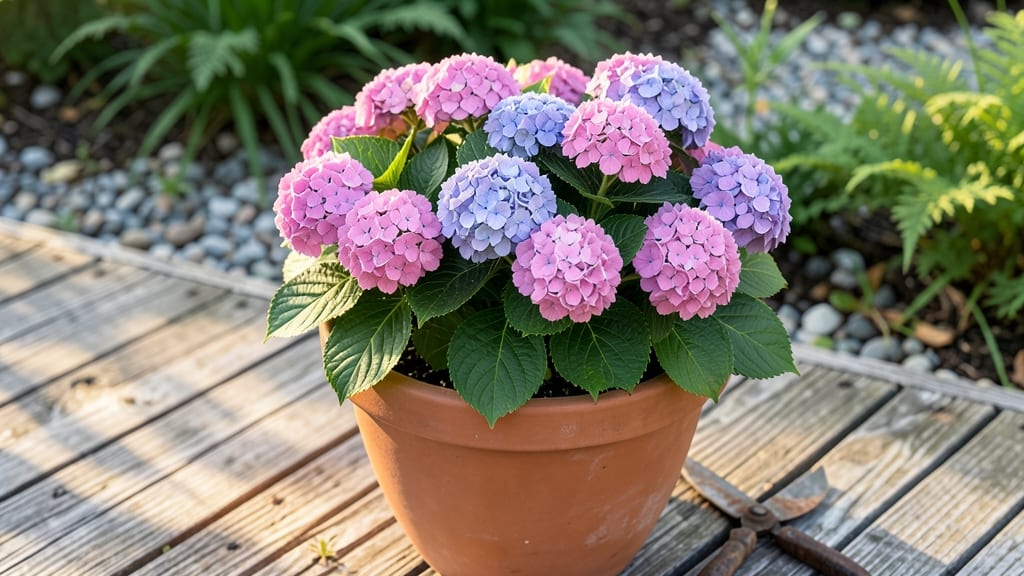
Growing a potted pink hydrangea is like inviting a cloud of blooms to your patio—soft, abundant, and impossible to ignore. 🌸 I’ve nurtured these showstoppers for years, and the secret to their vibrant pink perfection lies in the right container, soil, and a little seasonal TLC.
These plants don’t just survive in pots; they thrive, producing lush blooms that last from summer well into fall.
Start with a container at least 12-15 inches wide—hydrangeas need room for roots to spread—and choose one with drainage holes to prevent soggy soil. The soil mix matters too: a blend of peat moss, perlite, and compost keeps roots happy without compacting.
Place your potted hydrangea where it gets morning sun and afternoon shade—too much direct sun can bleach those pink blooms, while too little light weakens growth.
Watering is where most people trip up. Keep the soil evenly moist but never waterlogged—stick your finger in the top inch of soil, and if it’s dry, it’s time to water.
A slow-release fertilizer in spring and mid-summer gives them the nutrients they crave, and a light pruning in late winter keeps them bushy and blooming. With these basics, you’ll get fluffy, cloud-like blooms that turn heads every season.
For extra drama, pair your pink hydrangea with silver foliage or deep greens—it’s a combo that pops. And don’t worry if the blooms shift colors: hydrangeas are moodier than they seem, reacting to soil pH (add aluminum sulfate for bluer blooms, lime for pinker ones).
Once you’ve got the hang of it, these plants become the star of any patio or balcony, requiring just minimal fuss for maximum impact.
📚 In This Guide
- What you need
- Instructions
- Tips and common mistakes
- Wrapping up and next steps
What you need
- ● Potted pink hydrangea plant: 1 healthy Hydrangea macrophylla (e.g., 'Endless Summer,' 'Nikko Blue,' or 'Blushing Bride' varieties—pink blooms are common in some cultivars!)
- ● Size: 1–3 gallons (smaller pots for young plants, larger for mature ones).
- ● Container: 1 pot with drainage holes (plastic, ceramic, or fabric grow bag).
- ● Size: At least 12–18 inches in diameter (larger for long-term growth).
- ● Material note: Terracotta for heat-loving climates; plastic retains moisture better.
- ● High-quality potting mix: 1 bag (5–10 gallons) of well-draining, peat-based or coconut coir mix (avoid garden soil—it compacts!).
- ○ Optional boost: Mix in 1 part perlite or pumice per 4 parts soil for extra aeration.
- ● Fertilizer: Slow-release granular fertilizer (e.g., Osmocote or Miracle-Gro Shake 'n Feed) for hydrangeas.
- ● OR Liquid acid fertilizer (e.g., Miracle-Gro Azalea/Camellia) for color control.
- ● Mulch: 1–2 inches of pine bark fines or cocoa hulls to retain moisture and regulate soil temp.
- ● pH test kit: To monitor soil acidity (hydrangeas love pH 5.2–6.0 for pink blooms!).
- ● Aluminum sulfate or hydrangea flower food: Adjusts pH if blooms aren’t pink enough (blue = alkaline; pink = acidic).
- ● Self-watering system: A wicking mat or drip irrigation for busy gardeners.
- ● Decorative elements: Gravel, moss, or pebbles for a polished container-garden look.
Step-by-step guide to growing a thriving potted pink hydrangea
Here's how to coax those lush, cloud-like blooms into a container with just a few key techniques.
🌱 Step 1: Select the Right Container and Drainage
Pink hydrangeas need room to develop their sprawling roots, so choose a 15-18 gallon pot with drainage holes—plastic or ceramic both work, but terra cotta helps wick away excess moisture. I always add 2-3 inches of gravel or broken pottery at the bottom first. This creates a reservoir for water while preventing root rot, which is the #1 killer of potted hydrangeas.
If your pot lacks drainage, drill holes yourself—hydrangeas despise soggy roots. The container should be at least 12 inches deep to accommodate their extensive root systems. I like to select pots with glazed interiors to prevent soil from sticking to the sides, making future repotting easier.
🌿 Step 2: Plant With Proper Soil and Positioning
Fill the pot halfway with a well-draining potting mix formulated for acid-loving plants—hydrangeas thrive in soil with a pH of 5.5-6.2. I mix two parts peat moss or coconut coir with one part perlite to create the perfect airy, moisture-retentive blend. Add a slow-release fertilizer (look for one with balanced NPK like 10-10-10) to the bottom layer for steady nutrition.
Remove your hydrangea from its nursery pot and gently loosen the roots if they're circling. Position it so the top of the root ball sits 1-2 inches below the pot's rim—this prevents soil from spilling out when you water. Backfill with your mix, pressing lightly to eliminate air pockets but not compacting too firmly.
☀️ Step 3: Master Light and Watering Requirements
Pink hydrangeas need morning sun and afternoon shade—think 4-6 hours of direct sunlight daily. A spot with dappled light (like under a tree canopy) works beautifully. Too much harsh afternoon sun will scorch leaves, while too little light results in sparse blooms. You'll know you've got it right when new leaves emerge with rich green color and the plant shows steady growth.
Water deeply twice weekly during the growing season, ensuring the top 2-3 inches of soil feel moist but not waterlogged. I always check by sticking my finger in—if it comes out clean, water again. In summer heat, you may need daily watering, but never let the plant sit in saucers of standing water. Hydrangeas are thirsty but hate soggy feet.
✂️ Step 4: Prune and Feed for Maximum Blooms
Prune your hydrangea right after flowering (late summer) to encourage next year's blooms. Cut back one-third of the oldest stems to the first set of strong buds. This might seem drastic, but it stimulates fresh growth. I always sterilize my pruners with rubbing alcohol first to prevent disease transmission between cuts.
Feed monthly during spring and summer with an acid-loving plant fertilizer (like one with iron and magnesium). The color of your blooms actually changes based on soil pH—lower pH (more acidic) produces pink flowers, while higher pH yields blue. To maintain pink blooms, I occasionally add cotton compost or aluminum sulfate as directed on the package.
🪴 Step 5: Overwinter and Repot Strategically
Before winter, move your hydrangea to a protected location where temperatures stay above 20°F. I wrap the pot in bubble wrap and place it on a thick layer of mulch to insulate roots. Water sparingly during dormancy—just enough to keep the soil from drying completely. You'll know it's ready to come back inside when new buds begin to swell in early spring.
Repot every 2-3 years in spring, moving up 2 pot sizes each time. The shock of repotting actually stimulates growth, so I time it with the first warm days. After repotting, give it a light trim to remove any damaged roots and a balanced fertilizer to help it recover. This refreshes the plant and prevents it from becoming root-bound, which stunts flowering.
Tips & tricks for perfect potted pink hydrangeas
These insider secrets will help you grow hydrangeas that look like they came straight from a nursery showroom.
Drainage is Non-Negotiable: The 2-3 inches of gravel or broken pottery at the bottom isn't just decorative—it's your plant's lifeline. Without proper drainage, even the most beautiful hydrangea will succumb to root rot within weeks. I've seen people use everything from seashells to coffee grounds as alternatives, but nothing replicates the airflow and water retention balance of proper gravel. If your pot lacks drainage holes, don't just add more soil—drill them yourself. Hydrangeas will forgive many mistakes, but soggy roots won't.
Soil Science Matters: That 5.5-6.2 pH range isn't arbitrary—it's the sweet spot for pink blooms. I've tested my soil with a simple pH meter and adjusted with cotton compost when needed. For the two parts peat moss or coconut coir to one part perlite mix, measure carefully. Too much perlite makes the soil too dry, while too little peat can compact over time. The slow-release fertilizer (10-10-10) should be sprinkled evenly in the bottom layer—think of it as planting a time-release nutrition capsule that will keep your hydrangea fed all season.
Light Strategy for Maximum Blooms: The 4-6 hours of morning sun is crucial, but placement matters more than you'd think. East-facing windows or patio spots get the perfect balance. I always check leaf color—rich green means you've got it right, while yellowing indicates too much sun or poor soil nutrition. If your spot gets harsh afternoon sun, consider a sheer curtain for protection. This simple adjustment can mean the difference between sparse blooms and lush, cloud-like clusters.
Watering Wisdom: Those twice-weekly deep waterings should penetrate until water runs from the drainage holes. The finger test is foolproof—if the top 2-3 inches feel dry, it's time to water. In summer heat, I increase to daily watering but never let the plant sit in saucers of standing water. The key is moisture without saturation. Overwatering is the silent killer of container plants, and hydrangeas are particularly sensitive to it.
Pro Tips for Potted Pink Hydrangea
- These insider secrets will help you grow hydrangeas that look like they came straight from a nursery showroom.
- Drainage is Non-Negotiable: The 2-3 inches of gravel or broken pottery at the bottom isn't just decorative—it's your plant's lifeline.
- Soil Science Matters: That 5.5-6.2 pH range isn't arbitrary—it's the sweet spot for pink blooms.
Frequently asked questions
Got questions about keeping your potted pink hydrangea thriving? You’re not alone! Here are some of the most common queries—plus quick, actionable answers to keep those lush blooms coming back year after year.
How often should I water my potted pink hydrangea?
Water your hydrangea when the top inch of soil feels dry—usually 2-3 times per week in summer, but adjust for your climate. Pro tip: Containers dry out faster than garden beds! Use well-draining soil and a saucer to catch excess water to avoid root rot.
When is the best time to prune my pink hydrangea?
Prune right after flowering (late summer to early fall) for next year’s blooms. Avoid heavy pruning in spring—it removes flower buds! If your hydrangea blooms on old wood (like most pink varieties), skip pruning unless shaping is needed. Warning: Never prune in winter—it’s too late for bud formation.
Why are my hydrangea leaves turning yellow?
Yellow leaves usually mean overwatering, underwatering, or nutrient issues. Check the soil moisture first—hydrangeas hate soggy roots. If the problem persists, test your soil’s pH (they love acidic soil, 5.2–6.0). Yellowing on older leaves? It’s normal aging; new growth should stay vibrant.
Can I keep my potted hydrangea outside year-round?
If you live in USDA Zones 7–11, hydrangeas can winter outside with protection: Wrap the pot in burlap, move it to a sheltered spot, or use frost blankets. In colder zones, bring it indoors before temps drop below 20°F. Pro tip: Reduce watering in winter—hydrangeas rest!
How can I change my hydrangea’s flower color?
Pink hydrangeas (macrophylla types) change color based on soil pH! Add aluminum sulfate (for blue) or lime (for pink) to the soil. For dramatic shifts, re-pot with amended soil in spring. Note: Color changes take 4–6 weeks and work best on established plants.
What’s a good alternative if I can’t find pink hydrangeas?
Try these low-maintenance, container-friendly picks with similar fluff:
- Dwarf butterfly bush (purple blooms, drought-tolerant)
- Impatiens (shade-loving, vibrant colors)
- Hydrangea ‘Endless Summer’ (reblooms in white/pink)
- Heuchera (colorful foliage, minimal care)
Wrapping up and next steps
Growing a potted pink hydrangea is all about embracing simplicity and savoring the rewards of a low-maintenance, high-impact plant. With the right soil, sunlight, and occasional care, you’ll transform your space into a dreamy, floral oasis—no green thumb required! 🌸
Ready to dive in? Start by picking your favorite pink variety, gathering your supplies, and following the steps above. Before you know it, your patio, balcony, or windowsill will be bursting with those fluffy clouds of bloom you’ve always loved. Happy gardening!