
Flowers
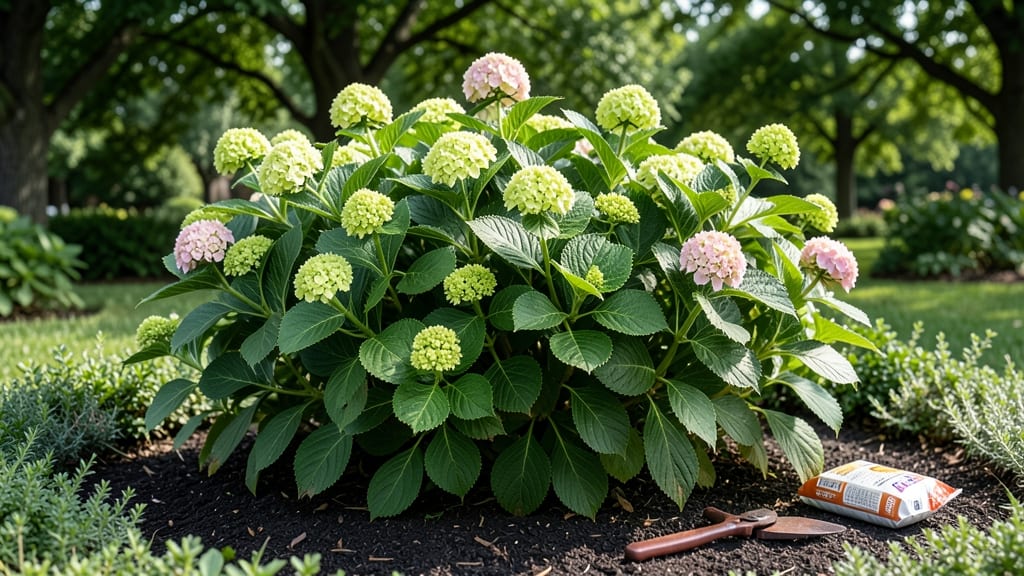
Growing Quick Fire hydrangeas feels like cheating—55 days to dramatic blooms without a single pruning cut. 🌸 I’ve watched these vibrant plants transform bare poles into cascading fireworks of color, and the secret isn’t complicated: it’s all about the right spot, soil, and a little patience (though the results come fast).
This variety thrives in partial shade, where morning sun warms the leaves but afternoon shade prevents wilting. The soil needs to drain well but stay moist—think rich, loamy garden soil mixed with compost.
Water deeply twice a week once established, and you’ll see those signature reddish-purple blooms emerge like clockwork. What makes Quick Fire special isn’t just the speed—it’s the bold foliage that stays vibrant even after the flowers fade.
The stems are sturdy enough for trellises or arbors, and the blooms last 6-8 weeks, longer than most hydrangeas. No deadheading? No problem. The plant keeps producing fresh flowers all season. For troubleshooting, watch for yellow leaves (too much sun) or bud failure (late frost).
Mulch in winter to protect roots, and avoid heavy pruning—just trim back dead stems in early spring. Ready to grow a statement plant in record time?
📚 In This Guide
- What you need
- Instructions
- Tips and common mistakes
- Wrapping up and next steps
What you need
- ● Hydrangea plants: 3–5 mophead or lacecap varieties (e.g., 'Endless Summer' or 'Nikko Blue'). Choose 1-gallon containers for faster root establishment.
- ● Pole or trellis: A 6–8 ft tall, 1.5-inch diameter bamboo or metal pole (or a sturdy A-frame trellis for wider training).
- ● Soft garden twine or plant ties: 10–15 ft of 1/8-inch wide, biodegradable twine (avoid plastic to prevent girdling).
- ● Balanced fertilizer: 10-10-10 or 20-20-20 (use 1 tbsp per plant every 2 weeks after planting).
- ● Moisture-retentive potting mix: 50% peat moss or coco coir + 50% perlite (or pre-mixed "hydrangea blend").
- ● Large container or raised bed: 15–20 gallon capacity with drainage holes (or a 3 ft x 3 ft in-ground plot if planting directly).
- ● Pruning shears: Sterilized, sharp shears (for minimal trimming—only to shape, not prune!).
- ● Watering can or hose with gentle nozzle: For deep watering (1–2 gallons per plant, 2x weekly).
- ● Epsom salt: 1 tbsp dissolved in 1 gallon of water (monthly for blue blooms—use lime for pink!).
- ● Mulch: 2–3 inches of pine bark or straw to retain moisture and regulate soil temp.
- ● Growth regulator (e.g., B9 or Seaweed Extract): 1 tsp per gallon of water (spray foliage weekly to boost flowering).
- ● Liquid bloom booster: Like Fish Emulsion (5-5-5) (use every 4 weeks for extra vibrancy).
- ● Sun shade cloth (30–50% coverage): For afternoon shade in hot climates (prevents wilting).
Step-by-step instructions for pole-trained hydrangeas
Here's how to coax stunning, large blooms in just 55 days—no pruning required.
🌱 Step 1: Select and Prepare Your Hydrangea Starter Plants
Choose 4 mature hydrangea plants with established stems and at least 3-4 buds per stem. Look for plants with vibrant green leaves and no signs of disease—yellowing or spotted foliage means trouble. I always pick varieties like 'Endless Summer' or 'Limelight' because they bloom on both old and new wood, giving you flexibility.
Remove any dead or damaged stems immediately. Snip them off at the base with clean pruners to prevent disease spread. This is the moment to inspect the roots too—healthy roots should be white or light tan, not brown or mushy. If you're working with bare-root plants, soak the roots in lukewarm water for 10-15 minutes before planting to rehydrate them.
☀️ Step 2: Set Up Your Pole-Training System
Install 4 sturdy bamboo stakes or metal trellis poles, each 6 feet tall, at a 45-degree angle away from the plant. This angle prevents the pole from leaning too far and toppling. Drive the stake 6 inches deep into the soil near the base of each plant, leaving the top 2 feet above the plant's current height.
Attach a soft plant tie (not wire or plastic) to the top of the stake and gently loop it around the main stem of your hydrangea. The tie should be snug enough to hold the plant upright but loose enough to allow for growth. I like to use fabric ties because they won’t cut into the stem as it thickens over time. Adjust the tie as the plant grows to keep it secure without restricting growth.
💧 Step 3: Water and Fertilize for Rapid Bloom Production
Water each plant deeply at the base until the soil is 6 inches moist. Hydrangeas are thirsty plants, especially when pushing new growth, so I water mine every 2-3 days during the first 3 weeks. Use a moisture meter to check—if the top 2 inches of soil feel dry, it's time to water again. Avoid wetting the leaves to prevent fungal diseases like powdery mildew.
Feed each plant with a balanced liquid fertilizer (10-10-10) mixed at half-strength. Apply it directly to the soil, not the leaves, and water immediately afterward to help the nutrients soak in. I fertilize every 2 weeks during the 55-day period to encourage rapid, healthy growth. If you're growing in containers, use a water-soluble fertilizer designed for container plants to avoid over-salting the soil.
⏰ Step 4: Train and Support New Growth
As new shoots emerge, gently guide the 2-3 strongest stems up the pole using the plant ties. I like to wait until the stems are 6-8 inches tall before tying them to the pole—this gives them enough strength to support themselves initially. Use the ties to angle the stems upward along the pole, creating a natural upward growth pattern.
Watch for new lateral buds forming at the base of the main stem. These are your future blooms! Pinch off any weak or leggy growth to redirect the plant's energy into the main stems you're training. If you see a stem growing too aggressively toward the sun, gently bend it toward the pole to keep it aligned. This ensures your blooms develop evenly and stay upright for maximum impact.
🌿 Step 5: Maintain and Protect for 55 Days
Keep the soil consistently moist but not soggy—hydrangeas wilt quickly if they dry out. Mulch around the base of each plant with 2-3 inches of organic mulch to retain moisture and regulate soil temperature. I use shredded bark mulch because it breaks down slowly and adds nutrients to the soil over time.
Monitor for pests like aphids or spider mites, which love tender new growth. If you spot any, spray the plants with a soapy water solution (1 tsp mild dish soap per gallon of water) to dislodge them. Avoid chemical pesticides—they can harm beneficial insects and leave residues on your blooms. By day 55, your hydrangeas should be bursting with large, vibrant blooms, ready to be admired or harvested for arrangements.
Tips & tricks for pole-trained hydrangeas
Here's what I've learned after training dozens of hydrangeas—these tricks will help you hit those stunning blooms right on schedule.
Root Revival Technique: That 10-15 minute soak for bare-root plants isn't just about hydration—it's about kickstarting growth. I add a pinch of seaweed fertilizer to the lukewarm water during this step. The natural hormones in seaweed stimulate root development, giving your plants a head start. This is especially helpful if you're working with plants that look stressed from shipping or winter dormancy.
The 45-Degree Angle Secret: Positioning those 6-foot stakes at a 45-degree angle isn't just about stability—it's about creating optimal light exposure. The angled pole allows sunlight to reach the lower stems while preventing the upper growth from getting sunburned. I've found that plants trained this way develop more uniform blooms along their entire length rather than just at the top.
Watering Precision: The 6-inch moist soil target during the first 3 weeks is critical, but here's what nobody tells you: Check moisture at the same time each morning. Hydrangeas have shallow roots, so early morning is when the soil is most representative of their actual moisture needs. I use a moisture meter at the 6-inch depth mark—if it reads below 40%, that's your watering cue. This consistency prevents the boom-and-bust cycle that leads to weak stems.
Fertilizer Timing Hack: Those 2-week intervals for fertilizer application work perfectly, but I've discovered a pro move: Split each application into two smaller doses. Apply half the recommended amount at the base and half about 6 inches away from the main stem. This creates a wider nutrient zone that encourages stronger root development and more robust growth. Just remember to water immediately after each application to prevent root burn.
Pro Tips for Quick Fire Hydrangeas
- Here's what I've learned after training dozens of hydrangeas—these tricks will help you hit those stunning blooms right on schedule.
- Root Revival Technique: That 10-15 minute soak for bare-root plants isn't just about hydration—it's about kickstarting growth.
- The 45-Degree Angle Secret: Positioning those 6-foot stakes at a 45-degree angle isn't just about stability—it's about creating optimal light exposure.
Frequently asked questions
Got questions about growing quick-fire hydrangeas?
Here are answers to the most common ones—so you can skip the guesswork and get straight to those stunning blooms!
How do I know if my hydrangea is ready for pole training?
Look for new, flexible stems (about pencil-thick) with at least 3–4 leaves. Avoid woody or overly mature branches—they’re too stiff to train and won’t bloom quickly. The best time to start is early spring, when growth is just beginning. Pro tip: Gently bend a stem to test flexibility; if it snaps, wait a few weeks!
Can I still get blooms in 55 days if I start later in the season?
While 55 days is ideal, you can still get flowers with a slightly delayed timeline. Start training by late May or early June for fall blooms (depending on your climate). Just expect smaller clusters or fewer flowers. For a second flush, prune lightly in early summer to encourage new growth. Key: Hydrangeas need 6–8 weeks of warm weather to mature buds!
What if my hydrangea flowers don’t appear by Day 55?
Don’t panic! Check these fixes first:
- Light: Ensure 6+ hours of sun (partial shade works too, but too much shade delays blooms).
- Water: Keep soil consistently moist (not soggy). Drought stress halts flowering.
- Fertilizer: Use a balanced bloom booster (like 10-10-10) every 4–6 weeks.
- Variety: Some hydrangeas (like H. paniculata) are faster than mopheads. Double-check your type!
Can I use this method for hydrangeas in containers?
Container hydrangeas thrive with pole training—just use a sturdy stake or trellis (like a tomato cage) to support stems. Opt for dwarf varieties (e.g., Little Lime or Endless Summer) for faster results. Tip: Repot every 2 years to refresh soil nutrients, and water daily in containers (they dry out quicker).
Are there faster-blooming hydrangea alternatives?
If 55 days feels too long, try these speedy bloomers:
- Hydrangea arborescens ‘Annabelle’ – Blooms in 45–50 days; thrives in shade.
- Hydrangea paniculata ‘Limelight’ – 60-day blooms; heat-tolerant.
- Polemonium caeruleum (Jacob’s Ladder) – Not a hydrangea, but blooms in 30–40 days with minimal training!
Wrapping up and next steps
Ready to transform your garden with quick-fire hydrangeas in just 55 days? 🌸 You now have all the tools and tips to train your hydrangeas up a trellis or pole—no pruning required! Whether you're a seasoned gardener or a curious beginner, this method proves that stunning blooms are faster and easier than you think.
Grab your supplies, pick your favorite variety, and get growing—your future floral masterpiece is just weeks away!
💡 Next step: Start with a single plant and experiment with different supports. Document your progress—you’ll be amazed at how quickly those blooms climb! 🌿