
Aphids
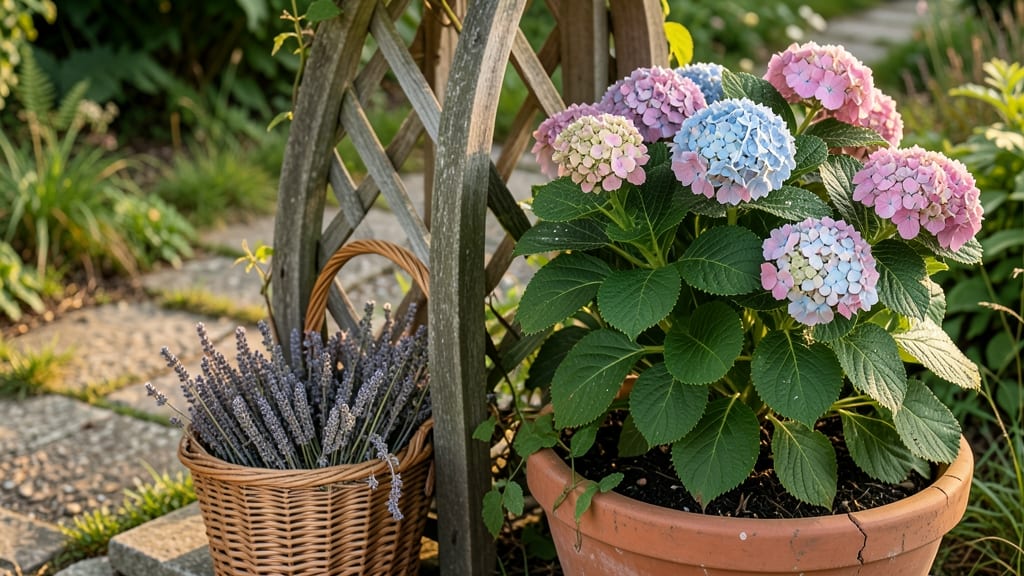
The Seaside Serenade Hamptons hydrangea turns your garden into a dreamy coastal retreat with its soft blue-pink blooms that shift like ocean tides. 🌿 I fell in love with its effortless elegance the first time I saw it bordering a Hamptons-style patio—it’s the perfect blend of romance and resilience for salty air and sandy soil.
This hydrangea thrives in partial shade, making it ideal for coastal gardens where harsh afternoon sun can scorch delicate blooms. Plant it near a bench or along a pathway where you can brush past the velvety petals—each cluster feels like a whisper of the sea.
The color changes with soil pH, so you can tweak it from lavender to blush with simple amendments.
Pair it with dwarf coneflowers for texture or beach grass for a windswept look, and add driftwood accents or weathered pottery for that Hamptons charm. By midsummer, your garden will feel like a private escape, all thanks to this hydrangea’s dreamy, adaptable beauty.
Works equally well in containers for patios or as a focal point in garden beds—just keep the soil consistently moist and mulch well to protect those roots from summer heat. The best part? It keeps blooming until frost, giving you months of serene coastal vibes.
📚 In This Guide
- What you need
- Instructions
- Tips and common mistakes
- Wrapping up and next steps
What you need
- ● Hamptons Hydrangea Plants: 3–5 mature Hydrangea macrophylla 'Hamptons' (blue-pink blooms). Choose potted plants or bare-root stock from a nursery.
- ● Well-Draining Soil: 5–10 bags of peat-free potting mix or a blend of garden soil + compost (70% soil, 30% compost).
- ● Mulch: 1–2 bags of pine bark nuggets or cypress mulch (to retain moisture and mimic coastal sands).
- ● Fertilizer: 1 lb of slow-release acid-loving plant fertilizer (e.g., 16-4-8 or 10-10-10 with micronutrients).
- ● Support Stakes: 3–5 bamboo garden stakes (4–6 ft tall) or metal tree rings for heavy blooms.
- ● Watering Can or Hose: With a gentle spray nozzle (hydrangeas hate soggy roots!).
- ● Coastal Accents: Driftwood, seashells, or blue-glazed pottery for a Hamptons-inspired touch.
- ● Erosion Control: Landscape fabric or gravel to protect roots from salty winds (if near the shore).
- ● Pruning Shears: Sharp, bypass pruners for shaping (sterilize with rubbing alcohol!).
- ● pH Test Kit: To ensure soil pH is 5.0–5.5 (hydrangeas love acidity!).
- ● Drip Irrigation System: For automated watering (ideal for sandy soils).
Step-by-Step guide to planting and caring for Seaside Serenade Hamptons hydrangea
Transform your coastal garden with this stunning hydrangea—here's how to plant and nurture it for vibrant blue-pink blooms.
🌱 Step 1: Choose the Perfect Coastal Spot
Seaside Serenade thrives in partial shade to morning sun, especially in hotter coastal climates where afternoon sun can scorch leaves. Look for a spot with dappled sunlight—think under a tall pine or near a building's east-facing wall. The plant loves humidity, so coastal breezes are perfect, but avoid windy areas where stems might flop.
Test your soil's moisture level by digging a 6-inch hole—if it drains within 10 minutes, your spot is ideal. Sandy coastal soils drain too quickly, so amend with 3 inches of organic matter (like compost) to help retain moisture. I always add a handful of hydrangea-specific fertilizer at planting time to give it a nutrient boost.
🪴 Step 2: Plant with Proper Spacing and Support
Dig a hole twice as wide as the root ball but no deeper—this prevents root suffocation. Gently remove the plant from its container and loosen any circling roots with your fingers. Place it in the hole so the top of the root ball sits 1 inch below soil level—this helps prevent stem rot from future watering.
Space plants 4-5 feet apart to allow air circulation and future growth. I always install a 3-foot bamboo stake at planting time and loosely tie the main stem to it with soft garden twine. This gives young plants stability without restricting growth. Backfill the hole with native soil mixed with compost, tamping lightly to remove air pockets.
💧 Step 3: Water Deeply and Mulch for Coastal Conditions
Water immediately after planting to settle the soil, then give a deep watering every 2-3 days until established (about 6 weeks2 inches deep—if it feels dry, water again. Avoid wetting the leaves to prevent fungal issues common in humid coastal air.
Spread 2-3 inches of pine bark mulch around the base, keeping it 6 inches away from the stem. This mimics the plant's natural coastal habitat while suppressing weeds and retaining moisture. Replenish mulch annually in spring—it breaks down faster in sandy soils.
☀️ Step 4: Feed and Prune for Coastal Color
Fertilize in early spring with a slow-release granular fertilizer (10-10-10 ratio) to encourage lush foliage. For blue blooms, add aluminum sulfate following package rates—coastal soils often lack this key element. I always water thoroughly after applying to prevent root burn.
Prune in late winter before new growth appears, cutting back 1/3 of the oldest stems to the first set of buds. This encourages vibrant new blooms. Avoid heavy pruning in summer—it stresses the plant during hot coastal weather. Watch for aphids or spider mites (common in coastal humidity) and treat with neem oil if needed.
✂️ Step 5: Maintain Through Coastal Seasons
In summer, water deeply once weekly unless there's steady rain. Coastal heat can dry soils quickly, but overwatering causes root rot in sandy soils. Deadhead spent blooms in late summer to encourage a second flush of flowers before frost.
Protect young plants from salt spray if you're near the ocean—rinse leaves occasionally with fresh water. Mature plants develop natural salt tolerance, but their foliage will show brown tips if exposed too long. I always move containers or young plants 10 feet inland during summer storms for extra protection.
Tips & tricks for perfect Seaside Serenade Hamptons hydrangea
Here's what I've learned after years of growing this stunning coastal beauty—tricks that'll keep your hydrangea thriving and blooming beautifully.
Soil Preparation Secret: The 10-minute drainage test in Step 1 is crucial, but don't stop there. For sandy coastal soils, I like to mix in 1 part peat moss to every 3 parts native soil when amending. This helps retain moisture better while still allowing excess water to drain. The peat moss also adds valuable organic matter that sandy soils often lack.
Staking Strategy: When installing that 3-foot bamboo stake in Step 2, I've found it's better to use two stakes placed at opposite sides of the plant rather than one. This provides more stable support, especially during coastal storms. Tie the stems loosely to both stakes with soft garden twine—tight ties can restrict growth as the plant matures.
Watering Wisdom: The 2-3 day watering schedule in Step 3 works perfectly, but here's a pro move: water in the morning instead of evening. This gives leaves plenty of time to dry before nightfall, reducing the risk of fungal diseases that thrive in coastal humidity. I also like to use a soaker hose for deep watering—it delivers moisture directly to the roots without wetting the foliage.
Fertilizer Timing: That early spring feeding in Step 4 is spot-on, but I've learned to split the application into two doses. Apply half the fertilizer right after planting, then the remaining half in early spring. This gradual feeding prevents root burn while giving your hydrangea a steady nutrient supply. Always water thoroughly after applying to help distribute the fertilizer evenly.
Pro Tips for Seaside Serenade Hamptons Hydrangea
- Here's what I've learned after years of growing this stunning coastal beauty—tricks that'll keep your hydrangea thriving and blooming beautifully.
- Soil Preparation Secret: The 10-minute drainage test in Step 1 is crucial, but don't stop there.
- Staking Strategy: When installing that 3-foot bamboo stake in Step 2, I've found it's better to use two stakes placed at opposite sides of the plant rather than one.
Frequently asked questions
Got questions about creating your own Seaside Serenade Hamptons Hydrangea garden? Here are some of the most common queries—and their answers—to help you craft the perfect coastal retreat with those dreamy blue-pink blooms!
When is the best time to plant Hamptons Hydrangeas for coastal gardens?
The ideal time to plant Hydrangea macrophylla 'Seaside Serenade' is in early spring (March–April) or fall (September–October). Coastal areas can have milder winters, so fall planting gives roots time to establish before summer heat. Avoid planting during extreme heat or frost—your hydrangeas will thank you with vibrant blooms!
Are Hamptons Hydrangeas aphid-resistant? What if I spot pests?
While 'Seaside Serenade' is more resistant to aphids than some varieties, coastal gardens can still attract pests like spider mites or scale. If you notice sticky leaves or tiny bugs, blast them off with water or use neem oil. For severe infestations, insecticidal soap works gently. Healthy soil = happy hydrangeas!
How do I keep my Hamptons Hydrangeas blooming in salty, windy conditions?
Coastal gardens mean salt spray and wind, but these hydrangeas are tough! Mulch well to protect roots, water deeply 2–3x/week (they hate drought), and prune in late winter to encourage new growth. If leaves brown from salt, rinse them with fresh water occasionally. A windbreak (like a fence or nearby shrubs) also helps!
Can I change the flower color from blue to pink (or vice versa)?
Yes! 'Seaside Serenade' flowers are pH-sensitive—acidic soil (pH < 6.0) produces blue blooms, while alkaline soil (pH > 7.0) turns them pink. Test your soil and amend with lime (to raise pH) or sulfur/peat moss (to lower pH). Pro tip: It takes 4–6 weeks to see color changes!
What’s the fastest way to get my Hamptons Hydrangea to bloom?
For faster blooms, focus on:
- Full sun to partial shade (6+ hours of light)
- Rich, well-draining soil (mix compost into planting hole)
- Consistent watering (1–1.5 inches/week)
- Balanced fertilizer (10-10-10 in spring)
Wrapping up and next steps
Transforming your Hamptons garden into a seaside serenade of blooming hydrangeas is a labor of love—but oh, what a rewarding one! 🌸 These blue-pink masterpieces aren’t just stunning; they’re a symbol of coastal charm and timeless elegance.
Whether you’re a seasoned gardener or a newbie with a vision, every pruned branch and nurtured bloom brings you closer to that dreamy, Instagram-worthy escape.
Ready to take the next step? Start small—plant one hydrangea this season! Or dive deeper: research local soil pH tests, sketch your garden layout, or even join a Hamptons gardening group for tips and inspiration. Your coastal oasis awaits—let’s make it bloom! ✨