
Pruning
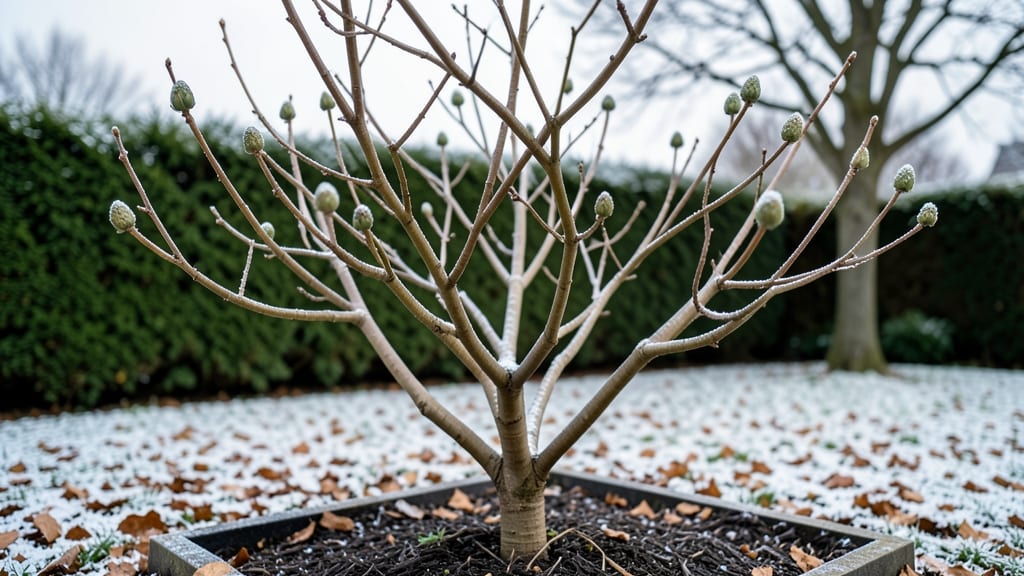
Smooth hydrangeas (Hydrangea arborescens) stay stunning even when snow blankets the ground. 🌿 These deciduous shrubs lose their leaves in winter but keep their sturdy stems and buds—ready to burst into vibrant blooms by late spring.
The secret to keeping them healthy through cold months? Smart pruning, proper mulching, and a little frost protection.
First, prune in late winter (before buds swell) to shape the shrub and encourage next year’s flowers. Cut back old wood by 1/3 to 1/2—this isn’t harsh, just enough to open up the center for airflow and sunlight.
Then, mound 3-4 inches of mulch around the base to insulate roots from freezing temperatures. A thick layer of shredded bark or straw works best.
Frost can damage tender new growth, but smooth hydrangeas are tougher than they look. If a hard freeze is forecast, wrap young plants in burlap or use frost cloth to shield buds.
Water deeply before the ground freezes to help roots absorb moisture for dormancy. By early spring, you’ll see those iconic cone-shaped buds swelling with promise.
This care routine keeps your hydrangeas thriving for decades—no winter woes, just reliable blooms. The best part? Minimal effort for maximum impact. Ready to make your shrubs the winter-hardiest in the neighborhood?
📚 In This Guide
- What you need
- Instructions
- Tips and common mistakes
- Wrapping up and next steps
What you need
- ● Pruning shears – Bypass-style, sharp, and sanitized (alcohol wipe or 10% bleach solution). 1 pair.
- ● Garden gloves – Heavy-duty, waterproof (to protect from thorns and moisture). 1 pair.
- ● Mulch – Organic options: shredded bark, straw, or leaves (2–3 inches deep for insulation). 5–10 gallons (depends on bush size).
- ● Burlap or frost cloth – Breathable fabric (3–4 ft wide, 5–6 ft long for medium shrubs). 1–2 rolls.
- ● Plant ties or twine – Soft, stretchy (to secure frost cloth without damaging stems). 1 small spool.
- ● Watering can or hose – With a gentle spray nozzle (for post-pruning hydration).
- ○ Garden twine or stakes – Optional but helpful for supporting heavy frost cloth. 4–6 stakes (if needed).
- ● Timing: Prune after the first hard frost (late fall/early winter) but before sub-freezing temps (<32°F/0°C).
- ● Weather check: Choose a dry, calm day (avoid pruning if rain or wind is forecasted).
- ● Hydrangea health: Ensure shrubs are dormant (no new growth) and free of pests/diseases.
- ● Location prep: Clear debris (fallen leaves, old mulch) from the base of the plant.
- ● Anti-desiccant spray – Wax-based (e.g., Wilt-Pruf) to protect leaves from drying. 1 small bottle.
- ● Slow-release fertilizer – Balanced (10-10-10), applied early spring (not winter). 1–2 lbs.
- ● Thermometer – Digital soil/air thermometer to monitor temps if you’re in a harsh climate.
- ● Decorative stakes or pins – To secure frost cloth neatly (e.g., bamboo stakes).
How to care for smooth hydrangeas through winter
Winterize your smooth hydrangeas with these simple steps to keep their stunning blooms intact.
☀️ Step 1: Assess and Protect Existing Blooms
Smooth hydrangeas (Hydrangea arborescens) retain their blooms into winter, but frost can damage them. Wait until mid-fall—after the first light frost—when blooms turn tan or brown. This signals they're dormant and won't regrow. Use burlap or frost cloth to loosely cover the plant, securing it with stakes or clips. Leave space for airflow to prevent rot.
Here's the thing—don't cover too early. New growth can still emerge if temperatures fluctuate. You'll know it's time when most leaves drop and stems feel woody to the touch. This ensures the plant isn't trapped in a warm microclimate that encourages late growth.
🪴 Step 2: Mulch the Base for Root Protection
Spread 3-4 inches of shredded bark or straw mulch around the base, keeping it 6 inches away from the stem to prevent rot. This insulates roots from freezing temperatures while allowing moisture to drain. I like to add mulch in two layers: first a coarse layer for drainage, then finer mulch on top to retain warmth.
Don't skip this—hydrangea roots are shallow and sensitive to temperature swings. A thick mulch layer acts like a blanket, keeping soil temps 10-15°F warmer than ambient. Check the mulch in early spring before new growth appears; if it's broken down, add a top-up.
✂️ Step 3: Prune Dead Stems in Late Winter
Wait until late winter (just before buds swell) to prune. Use clean, sharp pruners to cut back dead stems to 1-2 inches above the ground. This removes winter damage while preserving next year's blooms, which form on new wood. Avoid heavy pruning—smooth hydrangeas bloom on current season's growth, so don't cut back more than 1/3 of the plant.
Real talk: If you prune too early, you'll remove next year's flower buds before they form. Look for swollen buds at stem tips—this is your cue to prune. After cutting, apply dormant oil spray to prevent pests from hiding in fresh cuts.
💧 Step 4: Water Sparingly Before Freeze
Water deeply once in late fall (after leaves drop) to hydrate roots before dormancy. Aim for 1-1.5 inches of water, soaking the soil to 12 inches deep. This prevents winter desiccation. Stop watering entirely once the ground freezes—overly wet soil can lead to root rot in cold temps.
You'll know you've watered enough when soil feels moist but not soggy 6 inches down. In drought-prone areas, add a 2-inch layer of mulch over the base to lock in moisture. Come spring, check for dry soil before watering again—hydrangeas hate soggy roots but also can't tolerate drought stress.
🌱 Step 5: Monitor for Winter Damage in Early Spring
In early spring, remove winter covers when daytime temps reach 50°F consistently. Inspect stems for brown, mushy spots (signs of rot) or blackened tips (frost damage). Trim only the damaged portions with clean pruners. Healthy stems will feel firm and green beneath the bark.
This is the moment that matters: If you see new buds forming by mid-March, your plant is ready for fertilizer. Hold off until you spot 1-2 inch green shoots—this ensures roots are active and won't burn from early feeding. A balanced 10-10-10 fertilizer at this stage jumpstarts growth.
Tips & tricks for perfect winter hydrangea care
These simple strategies will help your smooth hydrangeas thrive through winter and beyond.
Timing is Everything: The mid-fall timing in Step 1 is crucial—wait until you see tan or brown blooms after the first light frost. This ensures your plant is truly dormant and won't produce new growth that could be damaged by subsequent cold snaps. I've learned this the hard way after covering plants too early and watching new shoots freeze back. The woody stems test is your best indicator: if they feel firm and dry, it's time to cover.
Mulch Like a Pro: When adding the 3-4 inches of mulch in Step 2, think of it as creating an insulated root zone. The two-layer approach—coarse first, fine on top—is key. I've found that adding a 1-inch layer of pine straw on top of the shredded bark helps retain moisture while allowing airflow. This prevents that dreaded rot from sitting too close to the stems. In colder climates, consider adding an extra inch of mulch for that critical 10-15°F temperature buffer.
Pruning Precision: That 1-2 inch cut in Step 3 might seem small, but it's perfect for smooth hydrangeas. Cutting too low risks damaging next year's buds, while leaving too much can encourage weak growth. I always make my cuts at a slight angle just above a leaf node or bud. And here's a pro move: after pruning, give your shears a quick wipe with rubbing alcohol to prevent spreading any hidden diseases between cuts.
Spring Damage Check: In Step 5, when inspecting for winter damage, focus on the transition zones where stems meet branches. These are the weakest points and most vulnerable to frost cracks. If you find any brown, mushy spots, trim them out immediately and dispose of them in the trash—not your compost! Healthy stems should have a crisp, green interior when you cut into them. This simple check can save your plant from spreading rot.
Pro Tips for Smooth Hydrangea In Winter
- These simple strategies will help your smooth hydrangeas thrive through winter and beyond.
- Timing is Everything: The mid-fall timing in Step 1 is crucial—wait until you see tan or brown blooms after the first light frost.
- Mulch Like a Pro: When adding the 3-4 inches of mulch in Step 2, think of it as creating an insulated root zone.
Frequently asked questions
about keeping smooth hydrangeas (Hydrangea arborescens) vibrant in winter—and beyond—with minimal pruning.Do smooth hydrangeas die in winter, or can they survive frost?
Smooth hydrangeas are deciduous but hardy to USDA zones 4-9—they’ll lose leaves in winter but won’t die back to the ground like some perennials. Their woody stems and roots stay dormant under snow or mulch, then burst back to life in spring. Just protect young plants or containers with extra mulch (3–4 inches) to shield roots from freeze-thaw cycles.
When is the best time to prune smooth hydrangeas for winter prep?
Prune late winter or early spring (just as buds swell, but before new growth starts). This timing avoids cutting off next year’s blooms (which form on old wood) and lets you clean up dead stems while the plant’s still dormant. Skip fall pruning—it invites disease and exposes tender stems to harsh winds.
How much should I cut back smooth hydrangeas in winter?
For minimal pruning, remove only dead, diseased, or crossing branches by ⅓ of their length. For a neater look, trim back all stems to 12–18 inches from the ground. Avoid heavy pruning—it reduces next year’s flower power! Use clean, sharp shears to prevent tearing.
Can I keep smooth hydrangeas in pots over winter, or do they need ground planting?
Yes! Potted hydrangeas thrive in winter if you bury them in the ground (or a deep mulch bed) until spring. Or, move them to an unheated garage/shed (keep soil moist but not soggy). Pro tip: Wrap the pot in bubble wrap and add extra mulch around the base to prevent root freeze. Bring them back outside in late spring (after last frost).
Why did my smooth hydrangea’s leaves turn brown in winter—is it dead?
Brown leaves in winter are normal (they’re dormant!). But if stems look shriveled or mushy, it could signal root rot (from overwatering) or sunscald (exposed stems in cold snaps). Fix: Prune damaged stems in spring, improve drainage, and add mulch next winter. Healthy roots = happy regrowth!
What’s the secret to keeping smooth hydrangeas blooming year-round with minimal effort?
Three keys:
- Prune smart: Just lightly shape in late winter (never after July).
- Feed right: Use balanced fertilizer (10-10-10) in early spring and mulch heavily (4+ inches) in fall.
- Water wisely: Deep-soak in drought (even winter) but avoid soggy soil.
Wrapping up and next steps
With just a little care, your smooth hydrangea can thrive even in winter—keeping its lush beauty without the stress! 🌿 Remember, the key is timing (late winter/early spring) and precision (targeting old wood). Whether you’re a pruning pro or a newbie, this method ensures vibrant blooms year after year.
Ready to give your hydrangea the TLC it deserves? Grab your pruners, mark your calendar, and watch your garden shine—no green thumb required! Start planning your pruning session today and enjoy the rewards of a well-loved plant.