
Aphids
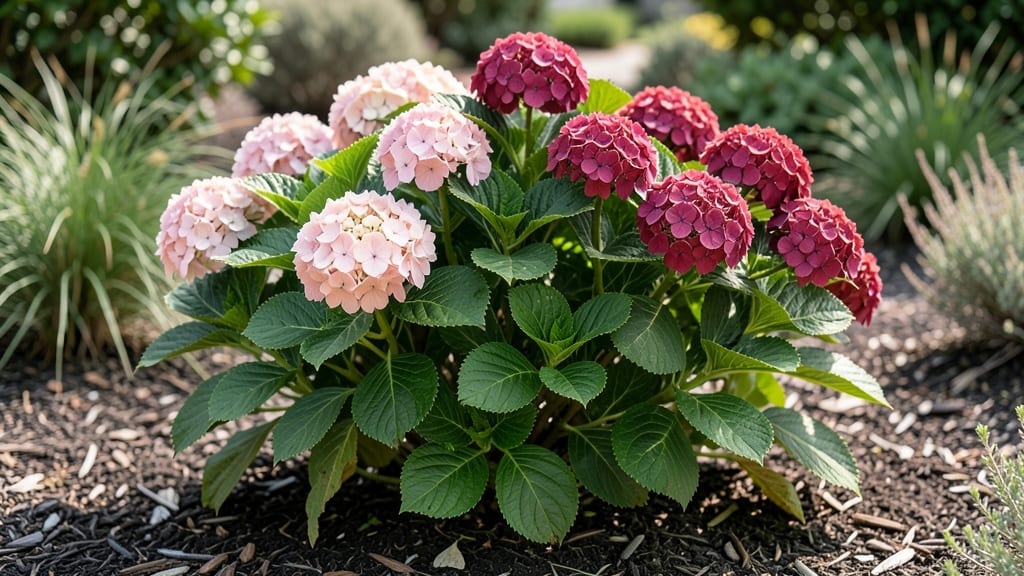
Growing a strawberry vanilla hydrangea shrub 🌸 means adding a fragrant, triple-layered centerpiece to your garden that smells like a dessert and looks like a dream.
Picture this: brushing past a shrub and catching that sweet, creamy aroma—like strawberries dipped in vanilla. It’s not just a pretty face; this hydrangea turns your garden into a sensory escape, and the best part? It’s easier to care for than you’d think.
With the right soil, a little shade, and consistent watering, your Vanilla Hydrangea Shrub will reward you with lush layers of blooms and intoxicating fragrance year after year. Whether you’re a beginner or a seasoned gardener, this guide will help you plant, nurture, and troubleshoot like a pro.
From picking the perfect spot to keeping pests at bay, I’ll walk you through every step—so you can enjoy a garden that’s as fragrant as it is beautiful.
How to plant and care for Strawberry Vanilla hydrangea shrubs
The Strawberry Vanilla Hydrangea isn't just a pretty face—it's a sensory delight that turns your garden into a fragrant sanctuary. This triple-layered shrub combines lush foliage, stunning blooms, and an intoxicating aroma reminiscent of fresh strawberries and creamy vanilla.
Whether you're a beginner or seasoned gardener, these shrubs offer low-maintenance elegance with high-reward fragrance. Let’s dive into how to plant and care for them to maximize their beauty and scent.
Growing Strawberry Vanilla Hydrangeas successfully starts with choosing the right location and preparing your soil properly. These shrubs thrive in partial shade, making them perfect for gardens with dappled sunlight or afternoon shade.
They also appreciate well-draining, slightly acidic soil (pH 5.0-6.0) enriched with organic matter. With the right conditions, your shrub will reward you with vibrant blooms and rich fragrance for years to come.
Step-by-Step Planting Guide
- 🌱 Choose the Right Time: Plant your Strawberry Vanilla Hydrangea in early spring (after the last frost) or early fall for optimal root establishment. Avoid extreme heat or cold.
- 📏 Select the Perfect Spot: Pick a location with partial shade (4-6 hours of morning sun) and afternoon shade to protect delicate blooms from harsh sunlight.
- 🧹 Prepare the Soil: Amend your soil with compost or peat moss to improve drainage and acidity. Test your soil’s pH and adjust with sulfur or lime if needed.
- 🪴 Dig the Hole: Make the hole twice as wide as the root ball but no deeper. Gently remove the shrub from its container and loosen any circled roots at the bottom.
- 🌿 Plant at the Right Depth: Place the shrub so the top of the root ball is level with the soil surface. Avoid burying the stem too deeply, as this can cause rot.
- 💧 Water Thoroughly: Fill the hole with water to settle the soil, then add more soil around the roots. Water again to remove air pockets and encourage root contact.
- 🌱 Mulch and Space Properly: Apply a 2-3 inch layer of mulch around the base (keep it 3 inches away from the stem) to retain moisture and suppress weeds. Space shrubs 3-5 feet apart for optimal airflow and growth.
Once planted, your Strawberry Vanilla Hydrangea will need consistent care to thrive. Watering is key—these shrubs prefer deep, infrequent watering rather than shallow, frequent sessions. Aim to water once a week during the growing season, providing 1-2 gallons per plant.
In hot, dry weather, increase frequency to every 5-7 days to prevent wilting.
Fertilizing plays a crucial role in promoting healthy growth and abundant blooms. Use a balanced fertilizer (10-10-10) in early spring as new growth emerges. Apply 1 tablespoon per plant and water thoroughly to distribute nutrients.
Avoid fertilizing in late summer or fall, as this can encourage tender new growth that won’t survive winter.
Pruning your Strawberry Vanilla Hydrangea is essential for maintaining its shape and encouraging fragrant blooms. The best time to prune is late winter or early spring, before new growth begins. Remove dead or diseased branches first, then trim back 1/3 of the oldest stems to the ground.
This rejuvenates the shrub and promotes new, vigorous growth. Avoid heavy pruning in fall or summer, as it can reduce next year’s blooms.
Seasonal care ensures your hydrangea stays healthy and fragrant year-round. In spring, focus on watering and fertilizing to kickstart growth. During summer, monitor for pests like aphids or spider mites and treat with neem oil or insecticidal soap if needed.
In fall, reduce watering and remove any wilted or damaged foliage. Winter care is minimal—just mulch around the base to protect roots from freezing temperatures.
To enhance the fragrance and beauty of your Strawberry Vanilla Hydrangea, consider adding companion plants like lavender, roses, or dwarf conifers. These not only complement the shrub’s aroma but also deter pests and create a stunning garden display.
With the right care, your hydrangea will become the centerpiece of your fragrant garden oasis.
Troubleshooting common issues early can save your shrub from long-term damage. If you notice yellowing leaves, it may indicate overwatering or poor drainage. Adjust your watering schedule and amend the soil with organic matter.
For weak fragrance or sparse blooms, ensure your shrub receives enough sunlight and fertilizer. Regularly inspect for pests or diseases and address them promptly to keep your hydrangea thriving.
Best companion plants for Strawberry Vanilla Hydrangeas
Pairing your Strawberry Vanilla Hydrangea with the right neighbors transforms your garden into a fragrant, pest-resistant paradise. The key is selecting plants that enhance its sweet aroma, deter common pests like aphids, and provide striking visual contrasts.
I’ve curated a list of herbs, flowers, and shrubs that thrive alongside this beauty while boosting your garden’s biodiversity.
Start with fragrance-boosting companions like jasmine and lavender, which amplify the hydrangea’s strawberry-vanilla scent when planted within 3-4 feet. These plants also attract pollinators, creating a lively ecosystem.
For pest control, consider marigolds and nasturtiums—their strong odors repel aphids and slugs that might target your hydrangea’s delicate blooms.
🌿 Top Companion Plants for Strawberry Vanilla Hydrangeas
-
🌸 Jasmine
Enhances fragrance; attracts butterflies -
🌿 Lavender
Repels pests; complements vanilla notes -
🌼 Marigolds
Deters aphids; adds golden contrast -
🌷 Nasturtiums
Slug repellent; edible edging plant -
🌳 Boxwood Shrubs
Structural contrast; similar care needs -
🌿 Catmint
Attracts pollinators; deer-resistant -
🌹 Roses (Disease-Resistant)
Complements blooms; shared sunlight needs
Pro Tip: Space companions 18-24 inches from hydrangea roots for optimal airflow and fragrance diffusion.
For visual drama, pair your hydrangea with boxwood shrubs or catmint—their deep greens create a lush backdrop while their textures contrast beautifully with the hydrangea’s layered blooms. Disease-resistant roses also make excellent neighbors, sharing similar sunlight and moisture preferences while adding romantic charm to your garden design.
Herbs like thyme or oregano planted at the base of your hydrangea not only deter pests but also provide culinary benefits for your kitchen. Their low-growing habit makes them perfect for filling gaps while keeping weeds at bay.
Just ensure they receive similar partial shade conditions to prevent stress on either plant.
Avoid planting competitive species like maple trees or large oak trees nearby, as their extensive root systems can outcompete your hydrangea for water and nutrients. Instead, opt for shade-tolerant perennials like hostas or heucheras to create a layered, low-maintenance garden bed that thrives under the hydrangea’s dappled shade.
Remember, the best companion plants are those that share similar care requirements—whether it’s moisture needs, sunlight tolerance, or soil pH preferences. With this curated list, your Strawberry Vanilla Hydrangea will not only flourish but also become the star of a fragrant, pest-free garden oasis.