
Advice
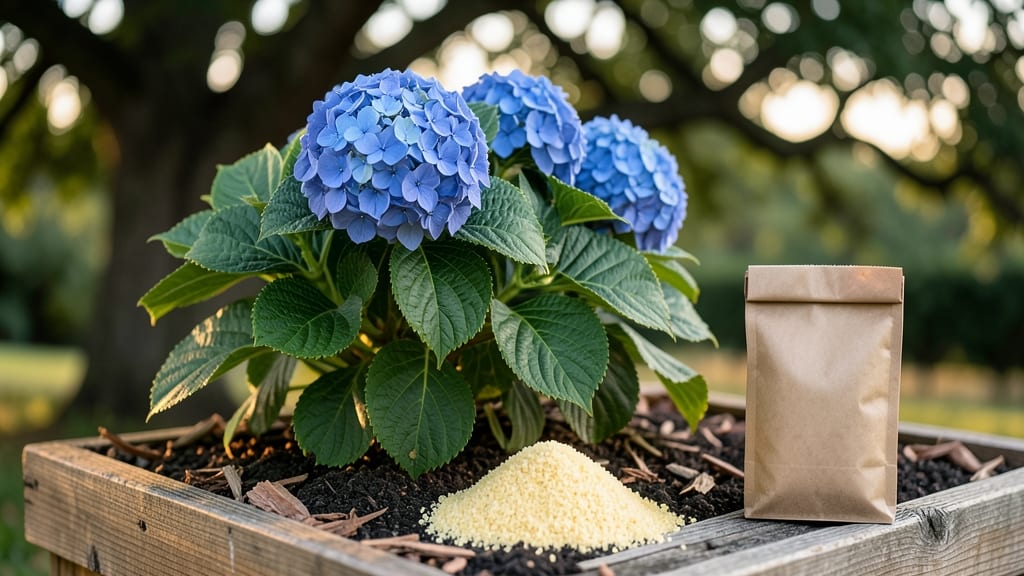
Using sulphur for hydrangeas creates the ideal acidic soil environment that unlocks their signature blue blooms while preventing yellow leaves by adjusting pH levels—critical for aluminum uptake that produces deep blue flowers. Apply it in early spring or fall as elemental sulphur or foliar spray, strictly following package instructions for best results.
Hydrangeas thrive when their soil pH falls between 4.5 and 5.5, and sulphur is the most reliable way to achieve this acidic range. 🌿 Unlike quick fixes, sulphur works gradually—typically taking 3 to 6 months to fully acidify the soil—so patience pays off with vibrant blue flowers instead of pink or green ones.
Many gardeners also use it to correct yellowing leaves caused by alkaline soil, which blocks aluminum absorption (the key nutrient for blue blooms). For best results, test your soil before applying, as overdoing it can harm other plants in your garden.
When applying, early spring or fall are ideal times because the soil is moist but not frozen, allowing sulphur to work efficiently.
You can use elemental sulphur granules (mixed into the top 6 inches of soil) or a foliar spray for faster results, though the spray method requires more frequent applications. Always wear gloves and water thoroughly after applying to activate the acidification process.
💡 In This Article
- How Sulphur Transforms Hydrangea Soil Chemistry
- Step-by-Step Guide to Applying Sulphur for Hydrangeas
How sulphur transforms hydrangea soil chemistry
The magic of sulphur for hydrangeas lies in its ability to trigger a chemical cascade in the soil.
When applied, elemental sulphur oxidizes into sulphuric acid—a natural process that gradually lowers soil pH. This acidification unlocks aluminum ions bound in the soil, which hydrangeas need to produce their signature blue pigments. Without sufficient aluminum (and the right pH), blooms turn pink or green instead of blue.
The ideal pH range for blue hydrangeas is 4.5 to 5.5, where aluminum solubility peaks—far from the neutral 7.0 most garden soils start at.
Think of it like adjusting the acidity of lemonade: too little acid (high pH) makes it bland, while just the right amount (low pH) brings out the tangy flavor.
Sulphur works slowly—typically taking 3 to 6 months to fully acidify the soil—because it depends on soil microbes to convert it into sulphuric acid. This gradual process prevents sudden pH shocks that could harm roots.
For comparison, lime (calcium carbonate) raises pH instantly, which is why it's the opposite solution for hydrangeas struggling in alkaline soil.
Here's what happens at the molecular level: Aluminum exists in soil as insoluble compounds until the pH drops. When sulphur lowers pH below 5.5, these compounds dissolve, releasing aluminum ions that hydrangeas absorb through their roots.
The plant then uses this aluminum to produce delphinidin—an anthocyanin pigment that creates blue flowers. Without this process, hydrangeas default to producing cyanidin, which produces pink blooms. The result? Flowers that shift from pale green to vibrant blue as the season progresses.
One common misconception is that sulphur works immediately. In reality, its effects build over time, especially in clay soils where microbes are more active. Sandy soils may show changes faster, but both require patience.
For gardeners in areas with naturally alkaline soil (common in regions with limestone bedrock), sulphur becomes essential—often requiring annual applications to maintain the optimal pH range. The key is consistency, not intensity.
Visual clues help monitor progress: Deep blue blooms indicate success, while yellowing leaves suggest either insufficient acidification or overwatering (which can dilute sulphur's effects). Some gardeners use a simple pH test kit to track changes, aiming for a gradual shift of 0.5 pH points per application.
Over-acidification (below 4.0) can harm other plants, so testing is crucial—especially in mixed garden beds where hydrangeas share space with acid-sensitive varieties like azaleas.
What most gardeners don't realize is that sulphur's benefits extend beyond flower color. The right pH also improves nutrient availability—phosphorus, iron, and manganese become more accessible to hydrangeas, leading to healthier foliage and stronger stems.
This is why sulphur-treated plants often show improved vigor alongside their stunning blue blooms. The transformation happens underground long before you see the first blue bud appear.