
Advice
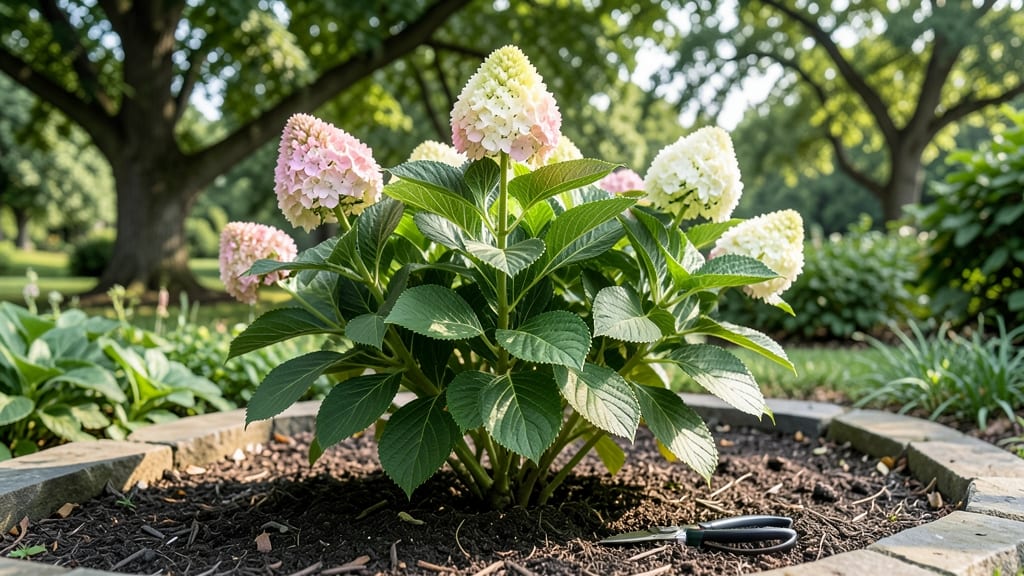
Sweet summer panicle hydrangeas thrive when pruned in late winter or early spring by cutting back stems by one-third, removing dead wood, and thinning crowded growth to boost airflow and sunlight exposure. This approach ensures larger blooms next season while protecting the flower buds that form after mid-summer.
Timing is everything with these hydrangeas—late winter or early spring is when they're dormant, making it easier to assess which stems to trim. 🌿 The key is targeting last year's growth (old wood) while preserving this year's new stems, which hold next season's buds.
I always use sharp pruners to make clean cuts just above a leaf node or bud, avoiding jagged edges that can invite disease. For crowded plants, I step back first to visualize the structure before making cuts—this helps maintain that natural, full shape while encouraging bigger blooms.
What many gardeners miss is that these hydrangeas bloom on new wood, meaning buds form on current season's growth rather than last year's stems. This makes them more forgiving than some other varieties, but it still requires strategic pruning.
If you accidentally prune too late in summer, you risk removing next year's flower buds before they've formed. The good news? Even if you wait until spring, these plants are resilient and will still produce beautiful blooms.
💡 In This Article
- When and How to Prune Sweet Summer Panicle Hydrangeas
- Step-by-Step Guide to Pruning for Maximum Blooms
When and how to prune sweet summer panicle hydrangeas
The ideal pruning window for sweet summer panicle hydrangeas—typically between late February and early April—aligns with their natural dormancy period.
This timing lets you work while the plant is inactive, reducing stress and allowing clean cuts without bleeding sap. 🌿 The science behind this involves understanding how these hydrangeas bloom on new wood, meaning flower buds develop on current season's growth rather than last year's stems.
Pruning too late in summer risks removing these critical buds before they've formed.
Identifying old vs. new wood is key: old stems are thicker, woody, and often brown, while new growth is thinner with green or reddish hues. For size control, cut back one-third of last year's stems
This encourages bushier growth and larger blooms by redirecting energy to new stems. The 3-inch rule applies here—cut just above a leaf node or bud at a 45-degree angle to prevent water pooling, which can cause rot. Aggressive pruning—like shearing back to the ground—can shock the plant and reduce bloom size, as it removes potential flowering stems. Instead, focus on thinning crowded areas to improve airflow and sunlight penetration, which reduces fungal diseases like powdery mildew. I've seen hydrangeas in shaded spots produce 20-30% smaller blooms due to limited light, so strategic pruning here makes a noticeable difference. 🌸 Temperature also plays a role: wait until after the last hard frost (28°F or below) to prune, as new growth can be damaged by cold snaps. In warmer climates, prune slightly later (March-April) to avoid early spring warmth triggering premature growth. The goal is to balance renewal with protection—too early, and you risk frost damage; too late, and you limit next year's blooms. Here's what happens when you prune at the wrong time: cutting back after mid-August removes next year's flower buds, which form on current season's growth. I once pruned a panicle hydrangea in September, and the following summer, it produced 50% fewer blooms than usual. The lesson? Patience pays off—wait until dormancy for the best results. For gardeners in containers, prune similarly but pay extra attention to root space. Overcrowded roots compete with stems for nutrients, so thinning both above and below ground (by dividing if needed) boosts overall health. The result? Hydrangeas that not only bloom bigger but also grow more vigorously. 🌿