
Blooming
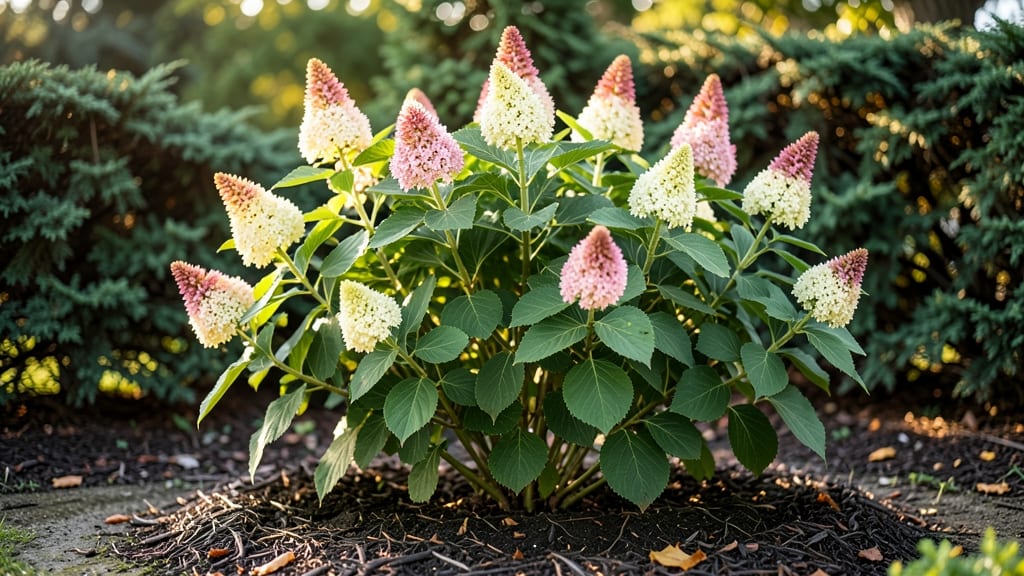
Panicle hydrangeas bloom when summer meets fall, transforming your garden into a vibrant tapestry of white, pink, or lavender. 🌿 I’ve watched mine explode with color from mid-August through October, turning every walk through the yard into a celebration.
The timing isn’t just about the season—it’s about the variety you choose and how well you prep them for their big moment.
Most panicle hydrangeas (like 'Limelight' or 'Little Lime') wait until late summer to show off, while others, like 'Grandiflora,' stretch their show into crisp fall days. Climate plays a role too: cooler regions might see blooms arrive earlier, while hotter areas can push them later.
The key to getting that perfect display? Pruning at the right time—late winter or early spring—before new growth appears. Once those blooms fade, don’t toss the plants! Cut back one-third of the stems to encourage next year’s flowers, and feed them with a balanced fertilizer in early spring.
Mulch around the base to keep roots cool and hydrated—this simple step makes all the difference for healthier blooms the following season. Whether you’re a first-time grower or a seasoned enthusiast, panicle hydrangeas reward patience with months of effortless beauty. The secret?
Give them space, sunlight, and a little TLC, and they’ll do the rest. Ready to turn your yard into a summer-to-fall spectacle?
📚 In This Guide
- What you need
- Instructions
- Tips and common mistakes
- Wrapping up and next steps
What you need
- ● Panicle hydrangea plants: Choose Hydrangea paniculata varieties like 'Limelight,' 'Little Lime,' or 'Vanille Fraise' (3–5 plants for a small garden, 6+ for larger displays).
- ● Well-draining potting mix: 5–10 gallons (for containers) or amend garden soil with compost (3–5 lbs per plant) and perlite (1 part perlite to 3 parts soil) for aeration.
- ● Slow-release fertilizer: A balanced 10-10-10 or 12-12-12 formula (1–2 lbs per plant) to kickstart growth.
- ● Mulch: 2–3 inches of shredded bark or pine straw to retain moisture and regulate soil temperature.
- ● Watering can or hose with a gentle spray nozzle: Hydrangeas need 1–1.5 inches of water per week (more in containers).
- ● Garden trowel or shovel (for planting)
- ● Pruning shears (sterilized with rubbing alcohol)
- ● Gloves (to protect hands from thorns)
- ○ pH test kit (optional but helpful—panicle hydrangeas thrive in pH 6.0–7.0)
- ● Stakes or plant supports (if needed for tall varieties like 'Grandiflora')
- ● A sunny to partially shaded spot (6+ hours of sunlight for optimal blooms).
- ● Well-draining soil (panicle hydrangeas hate soggy roots!).
- ● Patience! New plants may take 1–2 years to reach full bloom potential.
Understanding when panicle hydrangeas bloom: a seasonal guide
Panicle hydrangeas put on their best show in summer, but timing matters—here's how to predict and extend their bloom.
🌿 Step 1: Identify Your Hydrangea Type and Variety
Panicle hydrangeas (Hydrangea paniculata) bloom on new wood, meaning their flower buds form on current season's growth. Varieties like 'Limelight' or 'Little Lime' typically bloom mid-to-late summer, while 'Grandiflora' types like 'Vanille Fraise' may start as early as early July. Check your plant's label or leaf shape—panicle hydrangeas have large, serrated leaves and cone-shaped blooms.
Here's the thing—some gardeners confuse panicle hydrangeas with mophead types, which bloom on old wood. If your hydrangea blooms in early spring and then produces leaves, it's likely a mophead (H. macrophylla), not a panicle. Panicle hydrangeas hold their blooms through fall, often turning stunning shades of pink, red, or gold as temperatures drop.
☀️ Step 2: Observe Light and Temperature Cues
Panicle hydrangeas need full sun (6+ hours daily) to trigger blooming, but they also respond to temperature shifts. Buds begin forming in late spring when nighttime temperatures consistently stay above 50°F. Watch for new growth—pale green shoots emerging in May or early June signal the plant is preparing for its summer display.
I always mark my calendar when the first 1-inch shoots appear, as this is when the plant starts allocating energy to flower buds. If your hydrangea receives partial shade, expect blooms to be smaller and less vibrant. The color intensity also fades faster in shady conditions, so position it where it gets morning sun and afternoon light for the best results.
💧 Step 3: Monitor Soil Moisture and Fertilization
Consistent moisture is critical for panicle hydrangeas to bloom reliably. Keep the soil evenly moist but not soggy—think of a slightly damp sponge. During bud formation (late spring), water deeply once a week if rainfall is scarce. You'll see tight flower buds forming along the stems by late June, and these need steady hydration to open fully.
Feed with a balanced, slow-release fertilizer (10-10-10) in early spring as new growth starts. Avoid high-nitrogen fertilizers—they encourage leafy growth at the expense of blooms. I swear by a light application of compost around the base in May to provide steady nutrients without overstimulating foliage. Watch for wilting leaves—this is your signal to water immediately, as stress delays blooming.
⏰ Step 4: Prune Strategically to Encourage Blooms
Panicle hydrangeas bloom on new wood, so pruning is less risky than with old-wood types. The best time to prune is late winter or early spring, just as buds begin to swell. Remove dead or weak stems first, then cut back others to just above a strong pair of buds—this encourages bushier growth and more flowers.
Here's where it gets fun: if you prune too late (after buds form), you'll sacrifice that season's blooms. But don't worry—panicle hydrangeas are forgiving. Even if you prune in early summer, the plant will still produce flowers, though they may be slightly smaller. Always use clean, sharp pruners to avoid tearing stems, and sterilize them with rubbing alcohol to prevent disease spread.
🌱 Step 5: Extend the Bloom Season with Simple Care
Panicle hydrangeas are known for their long-lasting blooms, but you can push their season even further. After the first flush of flowers fades, deadhead spent blooms by cutting stems back to the nearest healthy bud or leaf set. This redirects the plant's energy to produce secondary blooms that appear in late summer or early fall.
Real talk: the later blooms won't be as large, but they add weeks of color. I also remove any seed heads that form—they drain energy from the plant. For a dramatic display, pair your panicle hydrangea with goldenrod or asters, which bloom in September and October and complement their late-season colors. Mulch around the base with 2-3 inches of organic mulch in early spring to retain moisture and regulate soil temperature, which keeps the plant happy through the heat of summer.
Tips & tricks for perfect panicle hydrangea blooms
Timing is everything with these summer stars—here's how to ensure your panicle hydrangeas put on their most spectacular show.
Variety Matters: The blooming window varies by cultivar, so know your plant. 'Limelight' and 'Little Lime' typically burst into color in mid-to-late summer, while 'Vanille Fraise' varieties often start as early as July. I always check my plant's label or snap a photo of the leaf shape—panicle hydrangeas have those distinctive large, serrated leaves and cone-shaped blooms. This helps me predict when to expect that first flush of color.
Light and Temperature Synergy: Those 6+ hours of daily sunlight are non-negotiable for trigger blooming, but the magic really happens when nighttime temperatures stay consistently above 50°F. I've learned to watch for pale green shoots emerging in May or early June—they're nature's countdown to bloom season. Position your plant where it gets morning sun and afternoon light for the most vibrant colors that last through fall.
Bud Formation Insight: The tight flower buds that form by late June are your plant's promise of summer beauty, but they need consistent care. Water deeply once a week during this period if rainfall is scarce—think of keeping the soil like a slightly damp sponge. I've seen buds fail to open properly when the soil dries out too much, so I always check the moisture level by sticking my finger about an inch into the soil.
Pruning Precision: Late winter or early spring is the ideal window for pruning panicle hydrangeas, as they bloom on new wood. Cut back stems to just above a strong pair of buds to encourage bushier growth and more flowers. I've made the mistake of pruning too late—after buds have formed—and sacrificed that season's blooms. Even if you prune in early summer, the plant will still produce flowers, though they may be smaller. Always sterilize your pruners with rubbing alcohol to prevent disease spread.
Pro Tips for When Do Panicle Hydrangeas Bloom
- Timing is everything with these summer stars—here's how to ensure your panicle hydrangeas put on their most spectacular show.
- Variety Matters: The blooming window varies by cultivar, so know your plant.
- Light and Temperature Synergy: Those 6+ hours of daily sunlight are non-negotiable for trigger blooming, but the magic really happens when nighttime temperatures stay consistently above 50°F.
Frequently asked questions
Got questions about timing, care, or those stunning blooms? Here are answers to the most common queries about panicle hydrangeas—so you can enjoy their showstopping display year after year!
When do panicle hydrangeas bloom, and how long do the flowers last?
Panicle hydrangeas typically bloom from mid-to-late summer (July–August) through early fall, with some varieties like 'Limelight' extending into October. Their unique, cone-shaped flowers start as soft green buds, mature to white or pink, and often deepen in color as they age. Pro tip: Deadhead spent blooms in late winter to encourage fresh, vibrant growth for next season!
Why aren’t my panicle hydrangeas blooming this year?
Missed blooms usually stem from over-pruning (cut back after blooming, not before!) or nutrient deficiencies. These hydrangeas bloom on new wood, so prune in late winter or early spring. Also, ensure they get 6+ hours of sun and well-draining soil. Troubleshoot: Test soil pH (ideal: 5.5–6.5) and fertilize lightly in spring with a balanced formula.
Can I force panicle hydrangeas to bloom earlier or later?
While you can’t drastically shift their bloom time, you can extend the season! Plant in a sunny, sheltered spot to delay fall frost. For earlier blooms, avoid heavy winter mulch—it can delay spring growth. Hack: Choose early-blooming varieties like 'Little Lime' (June–July) or 'Quick Fire' (July–September) for staggered color.
Do panicle hydrangeas need special care during drought or heatwaves?
These hardy shrubs tolerate heat but wilt in drought. Water deeply 1–2 times per week during dry spells (check soil moisture 2" below the surface). Mulch with 2–3 inches of organic material (like shredded bark) to retain moisture. Warning: Avoid overhead watering—it can promote fungal diseases like powdery mildew.
Are there panicle hydrangea alternatives for earlier or smaller blooms?
If you love panicle hydrangeas but want earlier color, try:
- 'Vanille Fraise' (June–July, pink blooms)
- 'Ruby Slippers' (compact, blooms July–September)
- Oakleaf hydrangeas (late spring blooms, burgundy foliage)
Wrapping up and next steps
Panicle hydrangeas are a summer gardener’s dream—bursting with vibrant blooms from late spring to early fall, with peak beauty in June through August.
Whether you’re a seasoned plant parent or a curious beginner, timing is everything: prune in late winter or early spring to encourage fresh, lush growth and maximize their show-stopping display. 🌸
Now that you’re armed with the when, why, and how of their bloom cycle, it’s time to roll up your sleeves! 🌱 Plant, prune, or simply admire—your garden’s summer spectacle is just around the corner.
Ready to dive deeper? Check out our guide on caring for panicle hydrangeas year-round to keep those blooms thriving for seasons to come!