
Diseases
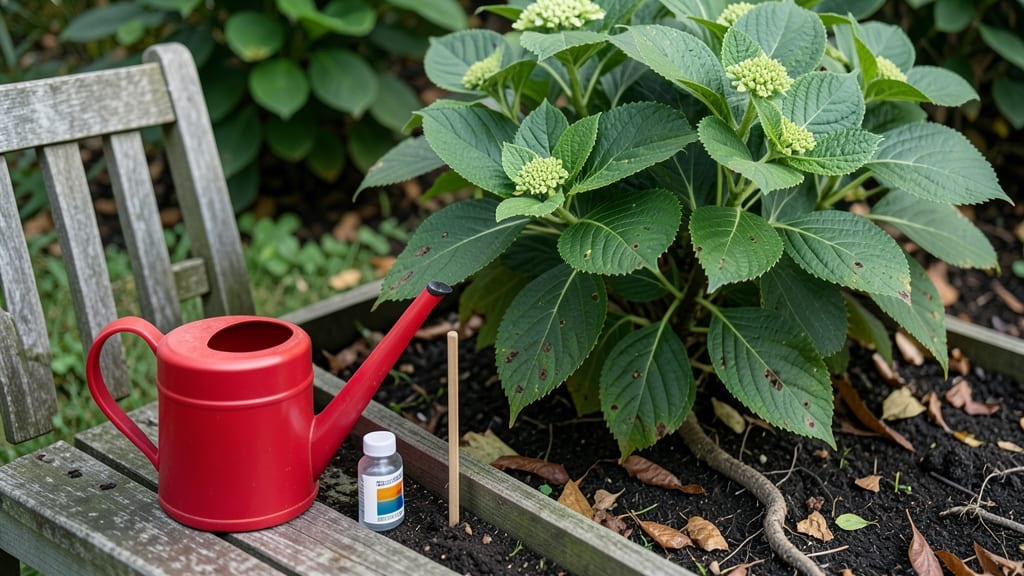
What causes brown spots on hydrangea leaves—and how to fix them—is the question every frustrated gardener has asked me after three summers of battling the same frustrating problem. The good news? Most cases are fixable with simple adjustments, not expensive sprays.
The most common culprits are fungal diseases like powdery mildew or leaf spot, but environmental stress—like too much sun, poor watering, or nutrient deficiencies—can trigger the same symptoms.
I’ll show you how to tell them apart and what to do about each one. The key is acting fast before the spots spread.
You’ll leave here with a pruning schedule that prevents future outbreaks, a watering routine that keeps leaves dry, and a few organic sprays that actually work. My hydrangeas went from sad and spotted to lush and thriving in just two weeks after making these changes.
This works for all hydrangea types—bigleaf, panicle, or oakleaf—and even saves you from throwing out perfectly good plants. Let’s get those leaves healthy again.
The Hidden Culprits Behind Spots
Brown spots on hydrangea leaves aren’t just an eyesore—they’re often a silent cry for help from your plant. Understanding the root causes is the first step to saving your lush foliage.
Let’s break down the most common triggers, from sneaky pathogens to environmental stressors, so you can diagnose and act fast.
Fungi are the #1 culprit behind brown spots on hydrangeas, thriving in moist, humid conditions. Here’s how they strike:
- 🌡️ Botrytis Blight (Gray Mold)
- Science behind it: The fungus releases enzymes that break down leaf cell walls, causing tissue death. Spores hitchhike on wind, water, or even your gardening tools.
- Actionable clue: Check for spots that expand rapidly in damp weather, often on lower leaves or flowers.
Not all brown spots are fungal. Sometimes, your hydrangea’s environment is the villain:
- ☀️ Sunburn or Heat Stress
- Science behind it: UV rays damage cell membranes, causing oxidative stress. Leaves develop bleached or crispy brown edges—like a sunburn on human skin.
- Actionable clue: Check for spots on upper leaves (directly hit by sun) and no fungal growth under a magnifying glass.
Some brown spots are a side effect of pest attacks:
- 🐜 Spider Mites or Aphids
- Science behind it: Mites inject toxins while feeding, causing stippling (tiny brown dots) and webbing on undersides.
- Actionable clue: Hold a leaf up to light—see tiny moving dots or webs? That’s your pest.
Pro Tip: 🔍 Always inspect the underside of leaves and stems—that’s where fungi and pests love to hide! Use a 10x magnifier if you’re unsure. The faster you ID the cause, the faster you can treat it.
Quick Fixes for Hydrangea Leaf Spots
Brown spots on your hydrangea leaves don’t have to mean the end of your plant’s glory—with the right approach, you can nurse it back to health and prevent future outbreaks. Below are targeted solutions for each common cause, along with simple prevention tips to keep your hydrangeas lush and spot-free.
Fungal diseases thrive in damp, humid conditions, so drying out the plant and improving airflow is key to recovery.
🔥 Step 1: Prune Infected Leaves Immediately
- 👨🍳 Remove all leaves with brown spots (especially if they’re crispy or covered in mold).
- ⏰ Best time: Early morning when humidity is lower, so spores don’t spread as easily.
- ✂️ Tool tip: Use clean, sharp pruners and disinfect them with 70% rubbing alcohol between cuts.
💡 Step 2: Apply Fungicide (Organic or Chemical)
| Option | How to Use | When to Apply |
|---|---|---|
| Neem Oil | Mix 1 tbsp neem oil + 1 tsp mild soap + 1 quart water. Spray both sides of leaves. | Evening, every 7–10 days for 3 weeks. |
| Baking Soda Spray | Dissolve 1 tsp baking soda + 1 quart water + a few drops of dish soap. Spray until damp. | Weekly until new growth appears. |
| Copper Fungicide | Follow label instructions (e.g., Cheshunt Compound). Apply at dusk. | Every 10–14 days during wet seasons. |
🌡️ Step 3: Improve Air Circulation & Reduce Moisture
- ✨ Space plants at least 2–3 feet apart to allow airflow.
- 🌧️ Water at the base (avoid overhead watering) and early in the day so leaves dry by night.
- 🌿 Thin dense foliage to let sunlight penetrate.
🎯 Prevention Tips
- 💡 Mulch properly: Use 2–3 inches of organic mulch (like pine bark) to keep soil moist but not soggy.
- 🌿 Avoid wetting leaves when watering—use a soaker hose or drip irrigation.
- 🌱 Plant in full sun (6+ hours/day) to reduce humidity around leaves.
If brown spots appear only on sun-exposed leaves and look dry or papery, your hydrangea is likely sunburned.
🍳 Step 1: Provide Afternoon Shade
- 🌳 Move potted hydrangeas to a spot with morning sun + afternoon shade (especially in hot climates).
- 🏡 For in-ground plants, plant near taller shrubs or a lattice to filter harsh afternoon rays.
💡 Step 2: Water Deeply & Frequently
- 💦 Water deeply 2–3 times per week (1–2 inches per session) to prevent stress.
- 🌧️ Mulch heavily (3+ inches) to retain moisture and cool roots.
🎯 Prevention Tips
- 🌿 Choose shade-tolerant varieties like ‘Endless Summer’ or ‘Nikko Blue’ if you live in a hot zone.
- 🌱 Gradually acclimate new plants to sun—start with 2–3 hours/day and increase slowly.
Tiny pests can cause speckled brown spots (from sap or damage) and weaken leaves.
🔪 Step 1: Blast Off Pests with Water
- 💦 Spray leaves with a strong jet of water (early morning) to dislodge pests.
- 🕷️ Repeat every 3–4 days until pests disappear.
💡 Step 2: Use Insecticidal Soap or Oil
| Treatment | How to Use |
|---|---|
| Insecticidal Soap | Mix 2.5 tbsp soap per gallon of water. Spray directly on pests. |
| Horticultural Oil | Apply oil spray (like Safer Brand) when temps are above 50°F. |
| Neem Oil (Again!) | Same mix as above—neem kills eggs too, so reapply weekly. |
🎯 Prevention Tips
- 🕸️ Inspect new plants before bringing them home (quarantine for a week if possible).
- 🌿 Encourage natural predators like ladybugs or lacewings by planting marigolds or dill nearby.
If leaves turn yellow-brown and mushy, root rot may be setting in.
🌱 Step 1: Check the Soil & Roots
- 👨🍳 Gently dig around the base—if roots smell rotten or look black/mushy, prune them with sterilized tools.
- 💧 Let the soil dry out before watering again (stick your finger 2 inches deep—if damp, wait).
💡 Step 2: Improve Drainage
- 🏗️ For pots: Add a drainage layer (pebbles or broken pottery) before repotting.
- 🌿 For garden beds: Amend soil with perlite or compost to improve aeration.
🎯 Prevention Tips
- 📊 Water only when the top 1–2 inches of soil are dry (hydrangeas hate soggy feet!).
- 🌧️ Use pots with drainage holes—never reuse containers without cleaning them first.
A strong hydrangea resists diseases better—give it:
- 💪 Balanced fertilizer (10-10-10 or hydrangea-specific food) in spring and early summer.
- 🍎 Epsom salt soak (1 tbsp per gallon of water) monthly for magnesium (prevents stress spots).
With these fixes, your hydrangea should bounce back in 2–4 weeks. Keep an eye on it, adjust care as needed, and soon you’ll have vibrant, spot-free foliage again! 🌿✨
Frequently asked questions
Why do some brown spots appear only on lower leaves?
Lower leaves often get brown spots first because they're closest to the soil where fungal spores thrive. Fungi like Botrytis blight spread upward from infected lower leaves, especially when humidity is high. This is your plant's first warning sign—prune those leaves immediately to stop the spread!
Can I still use my hydrangea flowers if the leaves have brown spots?
Yes, but only if the spots are from sunburn or pests, not fungal diseases. Fungal-infected flowers can spread spores—remove them completely. For sunburn or pest damage, the flowers are usually safe to use, though the leaves may not look their best. Always check the undersides first!
How often should I spray neem oil to prevent brown spots?
Apply neem oil spray every 7-10 days during humid seasons (spring and summer) for prevention. Mix 1 tablespoon neem oil + 1 teaspoon mild soap + 1 quart water and spray both leaf sides in the evening. Stop when new growth appears healthy—no need to overdo it!
Will brown spots on hydrangeas spread to other plants?
Fungal spots can spread to nearby plants if spores hitchhike via wind, water, or tools. Keep infected plants isolated and disinfect pruners with 70% rubbing alcohol between cuts. Pests like spider mites also jump plants—quarantine new additions for 1 week before introducing them!
Are there any hydrangea varieties that resist brown spots better?
Yes! 'Endless Summer' and 'Nikko Blue' varieties are more disease-resistant. Oakleaf hydrangeas also handle stress better than bigleaf types. For extra protection, choose varieties bred for your climate—check local nursery recommendations for the toughest options in your area!