
Pests and Diseases
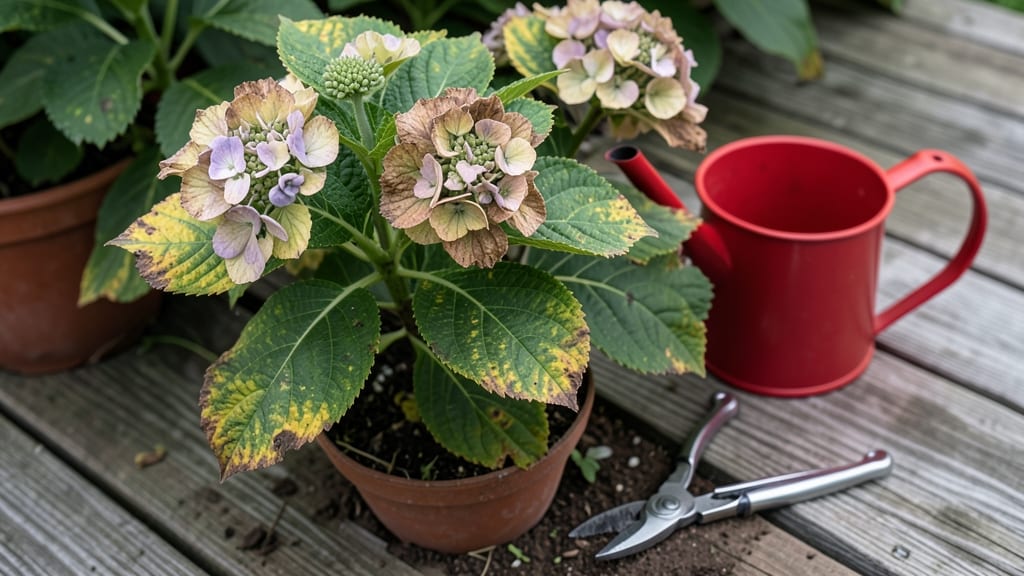
Your hydrangeas’ leaves curling and turning brown in the UK? That’s often powdery mildew or lacewing damage—and copper spray is the game-changer. 🌿 I’ve battled this exact issue with my Bigleaf hydrangeas in damp British summers, and once I switched to organic copper treatments, the problem vanished within weeks.
The culprit is usually fungal spores thriving in UK’s humid climate or lacewings feasting on sap. Overwatering or poor drainage makes it worse. The fix? Prune affected stems back to healthy growth, then spray with copper fungicide (like Bordeaux mixture) every 10-14 days until new leaves emerge.
For lacewings, introduce ladybugs or neem oil—they’re natural predators.
What you’ll see by late summer is lush, vibrant foliage and blooms that last longer. The copper spray also prevents future outbreaks, so your hydrangeas stay disease-resistant year after year. Just avoid spraying when rain’s forecasted—it washes off before it works.
If the problem persists after two treatments, check your soil’s pH (aim for 5.5-6.2) and ensure good airflow between plants. UK gardeners often overlook airflow—it’s just as critical as the spray. For stubborn cases, tag a local horticulturalist for a soil test.
Root Causes Behind Brown Curling Leaves
When your hydrangeas start showing curled, brown leaves in the UK, it’s often a sign that something’s gone awry in their care routine. Understanding the why behind these symptoms is the first step toward saving your plants.
Below, we break down the most common culprits—from environmental stressors to hidden pests—and explain the science behind their damage.
Hydrangeas thrive in moderate UK climates but struggle when temperatures fluctuate dramatically. Sudden heatwaves or late spring frosts can cause cellular damage, leading to leaf curling and browning. Here’s how it works:
- Heat stress: Temperatures above 27°C (80°F) for prolonged periods force hydrangeas to close their stomata (pores) to conserve water. This disrupts gas exchange, causing leaves to curl and scorch at the edges.
- Cold damage: Frosts below 0°C (32°F) can rupture cell walls, leading to brown, crispy patches. Young leaves are especially vulnerable.
- Windburn: Strong winds dry out leaves faster than roots can replace moisture, mimicking heat stress symptoms.
💡 Pro Tip: Mulch around the base of your hydrangeas with organic matter (e.g., bark chips) to insulate roots and reduce temperature extremes. In summer, provide dappled shade during peak heat (12–3 PM).
Hydrangeas hate soggy feet. When soil stays waterlogged—common in the UK’s clay-heavy soils—the roots suffocate, leading to:
- Root rot: Fungal pathogens like Phytophthora thrive in waterlogged conditions, blocking nutrient uptake. Leaves curl inward to conserve moisture, then turn brown as cells die.
- Nutrient deficiency: Excess water leaches essential nutrients (e.g., magnesium, iron) from the soil, causing interveinal chlorosis (yellowing between veins) that progresses to browning.
- Oxygen deprivation: Compacted or poorly draining soil starves roots of oxygen, triggering stress responses like leaf curling.
🔧 Fix It:
- Test your soil’s drainage: Fill a jar with soil and water, then observe. If water drains slowly (after 6 hours), amend with perlite or grit.
- Water deeply but infrequently—aim for 1–1.5 inches per week, adjusting for rain.
- Ensure pots have drainage holes and use well-draining compost (e.g., John Innes No. 3).
UK gardens often suffer from alkaline soil (pH > 7.0), which locks out vital nutrients like iron and manganese. Hydrangeas, especially Hydrangea macrophylla, are particularly sensitive to this:
- Iron deficiency (chlorosis): In alkaline soils, iron becomes unavailable to plants, causing leaves to yellow between veins before curling and browning at the edges.
- Magnesium deficiency: Brown, crinkled patches (especially on older leaves) signal a lack of magnesium, often worsened by overwatering or excessive potassium.
- Salt buildup: Over-fertilizing or using hard water can accumulate salts in the soil, burning root tips and causing leaf curl.
🌱 Soil Fix:
- Test your soil’s pH (ideal: 5.5–6.0 for hydrangeas). Use a lime-free compost or add sulphur to lower pH.
- Feed with chelated iron supplements (e.g., Sequestrene) or Epsom salt (magnesium sulphate) for quick relief.
- Avoid tap water with high calcium—use rainwater instead.
Not all leaf curl is environmental—some pests physically damage or inject toxins into hydrangeas, triggering browning. Watch for:
| Pest | Damage Signs | Science Behind It |
|---|---|---|
| Hydrangea Sawfly Larvae | Leaves chewed into skeletons; frass (sawdust-like droppings). | Larvae feed on leaf tissue, disrupting photosynthesis. Infested leaves curl inward to protect remaining cells, then brown as damage spreads. |
| Aphids | Sticky honeydew, curled leaves with black sooty mold. | Aphids pierce cells to suck sap, injecting toxic saliva that causes curling. Their honeydew feeds fungal growth, leading to brown, moldy patches. |
| Spider Mites | Fine webbing on undersides; leaves turn bronze/brown. | These microscopic pests puncture cells to feed, causing chlorophyll loss. Leaves curl to reduce exposure, then scorch. |
🛡️ Pest Control:
- Blast off pests with a strong jet of water (especially aphids).
- Use neem oil or insecticidal soap for sawfly larvae and mites.
- Introduce natural predators like ladybugs or lacewings to control aphids.
Fungal diseases like powdery mildew, leaf spot, and botrytis blight thrive in the UK’s damp climate. They infect leaves directly, causing:
- Powdery mildew: White, fluffy patches that curl leaves to trap spores. Infected areas turn brown and crispy as the fungus consumes tissue.
- Leaf spot (e.g., Septoria): Dark, water-soaked spots with yellow halos. Leaves curl to limit spread, then brown as spots merge.
- Botrytis blight: Gray, mushy lesions on curled leaves, common in shaded, humid conditions.
🍄 Fungal Fix:
- Improve air circulation by pruning dense foliage and spacing plants 3–4 feet apart.
- Apply copper
Revive Your Hydrangeas: Fixes for Brown, Curling Leaves
If your hydrangeas are sporting brown, curling leaves, don’t panic—there’s hope! The key is identifying the root cause (like fungal blight, pests, or environmental stress) and taking targeted action.
Below, we’ve mapped out practical solutions for each common issue, plus tips to keep your hydrangeas lush and healthy for seasons to come. 🌿✨
Fungal diseases like Botrytis blight or powdery mildew thrive in damp UK climates, causing leaves to curl, brown, and develop unsightly spots. Here’s how to tackle it:
🔥 Step 1: Prune Infected Foliage
- 👨🍳 Remove the problem: Snip off any brown, curled, or spotted leaves immediately using sterilized pruners (wipe with rubbing alcohol between cuts). Dispose of the clippings in the bin—do not compost them.
- ⏰ Best time: Early morning or late afternoon to avoid stressing the plant in peak sun.
🥘 Step 2: Apply Copper-Based Fungicide
- 💡 Why copper? It’s a natural fungicide that disrupts fungal spores without harming beneficial insects. In the UK, Bordeaux mixture or copper oxychloride sprays (like Copper Soap) are highly effective.
- 📊 How to use:
- Spray thoroughly on both sides of leaves, focusing on new growth.
- Reapply every 7–10 days until the problem clears (usually 2–3 treatments).
- Pro tip: Add a drop of dish soap to improve adhesion (just a tiny amount—too much can damage leaves).
🌡️ Step 3: Improve Airflow & Reduce Moisture
- 💨 Space plants apart: Hydrangeas need 3–5 feet of space between each bush for airflow. Crowding traps humidity, inviting fungi.
- ✨ Adjust watering: Water at the base (not overhead) and avoid late-day watering. If your garden stays soggy, consider a soaker hose or drip irrigation.
- 🎯 Raised beds help: If your soil drains poorly, plant hydrangeas in raised beds with a mix of compost and perlite to improve drainage.
✨ Prevention for Next Season
- 🌱 Mulch wisely: Use 2–3 inches of organic mulch (like bark chips) to protect roots but keep it 2 inches away from the stem to prevent rot.
- 🍂 Fall cleanup: Remove and dispose of all fallen leaves and debris from around hydrangeas before winter.
- 💪 Strengthen immunity: Feed with a balanced fertilizer (like 10-10-10) in early spring to boost plant health.
Pests like aphids or slugs can cause leaves to curl and brown as they feed or lay eggs. Here’s how to evict them:
🔪 Step 1: Identify the Pest
- Aphids: Tiny green/black bugs clustered on new growth.
- Slugs: Irregular holes or silvery slime trails on leaves.
- Spider mites: Fine webbing on the underside of leaves.
🍳 Step 2: Manual Removal or Homemade Sprays
- 💡 For aphids:
- Blast them off with a strong jet of water from your hose.
- Spray with neem oil (1 tsp neem oil + 1 tsp mild soap + 1L water). Reapply every 5–7 days.
- 🐌 For slugs:
- Set up beer traps (bury a shallow dish filled with beer near the plant).
- Use copper tape around pots or garden beds—slugs avoid copper.
- 🕷️ For spider mites:
- Wipe leaves with a damp cloth to remove webs.
- Spray with insecticidal soap (follow label instructions).
🌿 Step 3: Encourage Natural Predators
- 🐞 Ladybugs and lacewings eat aphids. Attract them with dill, fennel, or marigolds planted nearby.
- 🐸 Frogs and birds help control slugs. Create a small pond or bird feeder to invite them.
If fungal diseases and pests aren’t the issue, your hydrangeas might be reacting to environmental factors:
🔥 Step 1: Check Soil pH & Nutrients
- 📊 Test your soil: Hydrangeas prefer acidic soil (pH 5.5–6.2). Use a home soil test kit or send a sample to a UK lab (like the Royal Horticultural Society).
- 💡 Adjust pH if needed:
- Too alkaline? Add sulfur or peat moss to lower pH.
- Too acidic? Mix in lime (sparingly).
- 🍄 Feed properly: Use an acid-loving plant fertilizer (like Miracle-Gro Azalea/Camellia) in spring and summer.
🌞 Step 2: Protect from Extreme Weather
- 🥶 Cold snaps: Mulch heavily with straw or leaves (4–6 inches) to insulate roots.
- ☀️ Heatwaves: Provide afternoon shade with a lightweight shade cloth (30–50% coverage).
- 💨 Wind damage: If your garden is exposed, stake tall hydrangeas or plant them near a windbreak (like a hedge or fence).
🌱 Step 3: Repot or Divide Overcrowded Plants
- 💡 Signs it’s time: Yellowing leaves, stunted growth, or roots circling the pot.
- 👨🍳 How to divide:
- Dig up the plant in early spring or fall.
- Gently separate the roots into 2–3 sections, ensuring each has healthy roots and foliage.
- Replant in fresh, acidic soil and water deeply.
- 🌿 Trim back severely: If >50% of leaves are brown, prune aggressively to encourage new growth. Hydrangeas are resilient!
- 💧 Hydrate properly: Water deeply 1–2 times per week (not daily shallow watering). Let the top 1–2 inches of soil dry between waterings.
- 🍂 Avoid over-fertilizing: Too much nitrogen = soft, weak growth. Stick to balanced or acid-loving fertilizers.
With these fixes, your hydrangeas should bounce back in 4–6 weeks. Monitor them closely, and don’t hesitate to repeat treatments if needed. Happy gardening! 🌸🌿
Frequently asked questions
Why do my hydrangea leaves curl and turn brown in the UK's damp climate?
This is often caused by powdery mildew or botrytis blight, which thrive in the UK's humid conditions. Fungal spores land on leaves, causing them to curl inward to trap moisture, then brown as the fungus consumes tissue. Poor airflow between plants makes this worse.
Can I use copper spray on hydrangeas if I'm not sure if it's a fungal issue?
Yes! Copper fungicides like Bordeaux mixture are safe for hydrangeas and won't harm them even if fungi aren't the problem. It's a preventative measure that also helps with leaf spot and bacterial infections. Just apply it on dry, calm days to avoid washing off.
How do I tell if my hydrangea leaves are curling from pests vs. disease?
Check the leaf undersides for pests like aphids (tiny green/black bugs) or spider mites (fine webbing). If you see honeydew (sticky residue) or chewed edges, it's likely pests. For disease, look for white powdery patches (mildew) or dark spots (leaf spot).
Will pruning my hydrangea help with brown, curling leaves?
Prune any brown or curled leaves immediately using sterilized tools, and remove up to 1/3 of the oldest stems to improve airflow. This encourages new growth and reduces fungal spread. Always prune in early spring or late autumn for best results.
How often should I water hydrangeas to prevent leaf issues?
Water deeply 1-2 times per week, aiming for 1-1.5 inches of water total. Avoid overhead watering—use a soaker hose at the base instead. UK clay soil drains poorly, so always check the top 2 inches of soil before watering again.