
Aphids
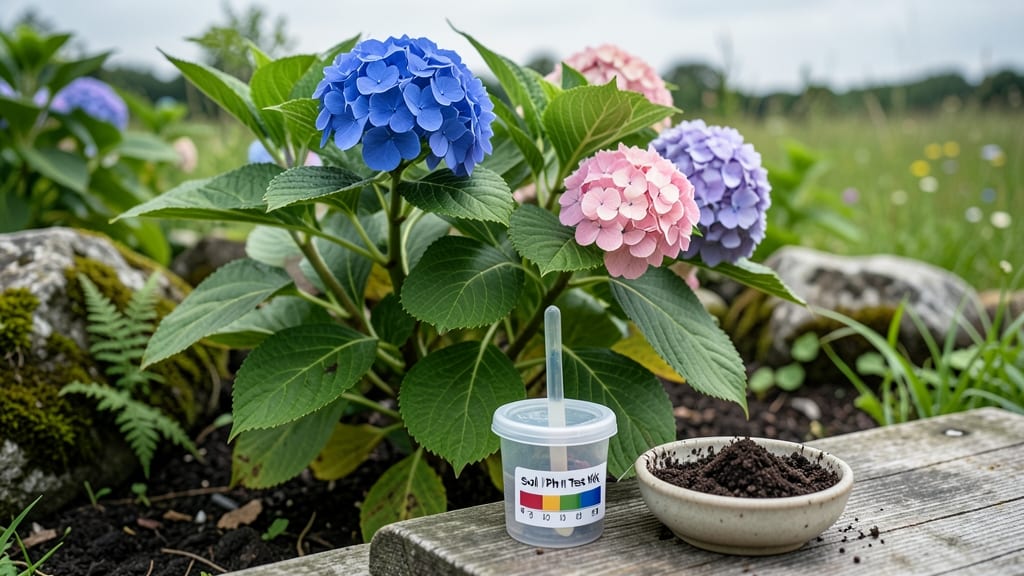
What determines hydrangea color is a mix of soil pH levels, flower genetics, and aluminum availability—alkaline soil creates blue blooms, acidic soil produces pinks, and neutral soil often yields purples. Some varieties, like Endless Summer, shift colors based on sunlight instead.
Hydrangeas don't just change color randomly—they respond to your soil's chemistry.
The pH level directly affects how much aluminum your plants can absorb, and that mineral plays a key role in pigment production. 🌸 For example, blue hydrangeas thrive in soil with a pH of 5.5-6.0, while pink varieties prefer 6.0-7.0.
Some newer hybrids, like 'Endless Summer,' break these rules entirely by producing color based on sunlight exposure rather than soil conditions.
This science explains why your neighbor's hydrangeas might look completely different from yours—even if you're using the same variety. Testing your soil's pH with a simple home kit (available for under $10) can help you predict and control your blooms' final color.
I always recommend adjusting gradually, since sudden pH changes can stress the plant.
For gardeners who love experimenting, lime raises pH (encouraging blues) while sulfur lowers it (promoting pinks). Just remember—some hydrangea varieties, like oakleaf hydrangeas, are naturally less responsive to pH changes, making them more forgiving for beginners. The key is understanding your specific variety's needs before making soil amendments.
💡 In This Article
- How Soil pH and Aluminum Affect Hydrangea Flower Color
- Best Hydrangea Varieties for Specific Colors and Growing Conditions
How soil pH and aluminum affect hydrangea flower color
The magic behind hydrangea color transformation happens at the molecular level. When soil pH rises above 6.0, aluminum becomes less available to the plant roots.
Aluminum acts as a natural blue pigment enhancer by binding with delphinidin, a type of anthocyanin—those vibrant blue-purple compounds that give blue hydrangeas their signature hue. At lower pH levels (5.5-6.0), aluminum solubility increases, allowing more of this mineral to be absorbed, which intensifies blue tones. 🌿
In acidic soils (pH 5.0-5.5), the story changes dramatically. The higher aluminum availability actually inhibits the production of delphinidin while promoting cyanidin, another anthocyanin that creates pink and red hues.
This is why hydrangeas like 'Nikko Blue' turn pink when planted in acidic soil—it's not a color change within the same flower, but rather a shift in pigment production based on soil chemistry.
The process is reversible, which is why gardeners can "paint" their hydrangeas different colors by adjusting soil pH.
Not all hydrangeas respond to pH changes equally.
Varieties like Hydrangea macrophylla (the most common bigleaf types) are highly sensitive, while Hydrangea quercifolia (oakleaf hydrangeas) produce consistent colors regardless of soil pH. This genetic difference explains why some hydrangeas maintain their natural pink or white tones even when grown in blue-favoring alkaline soil.
The key is knowing your plant's ancestry before expecting dramatic color shifts.
Here's what happens chemically when you adjust pH: Adding lime (calcium carbonate) raises pH by neutralizing acidity, reducing aluminum availability and promoting blue pigments. Conversely, elemental sulfur lowers pH, increasing aluminum uptake and encouraging pink tones.
The transformation isn't instant—it typically takes 2-3 months for new growth to reflect the color change, as the plant needs time to adjust its pigment production.
For visual gardeners, think of it like this: Your soil acts as a color palette where pH is the slider. At pH 5.0, you get vibrant pinks; at pH 6.5, deep blues; and around pH 6.0, you'll see those stunning purples that make hydrangeas so popular.
The aluminum concentration in your soil can vary by 100x between these pH extremes, creating dramatic visual differences in the same plant variety.
What most gardeners don't realize is that aluminum isn't the only player—iron and magnesium also influence color intensity. Blue hydrangeas need adequate iron to maintain their vibrancy, while magnesium helps stabilize the anthocyanin molecules.
This is why some gardeners see faded colors even after pH adjustment—they might be missing these supporting minerals. A soil test reveals these hidden factors, giving you the complete picture before making amendments.