
Light Requirements
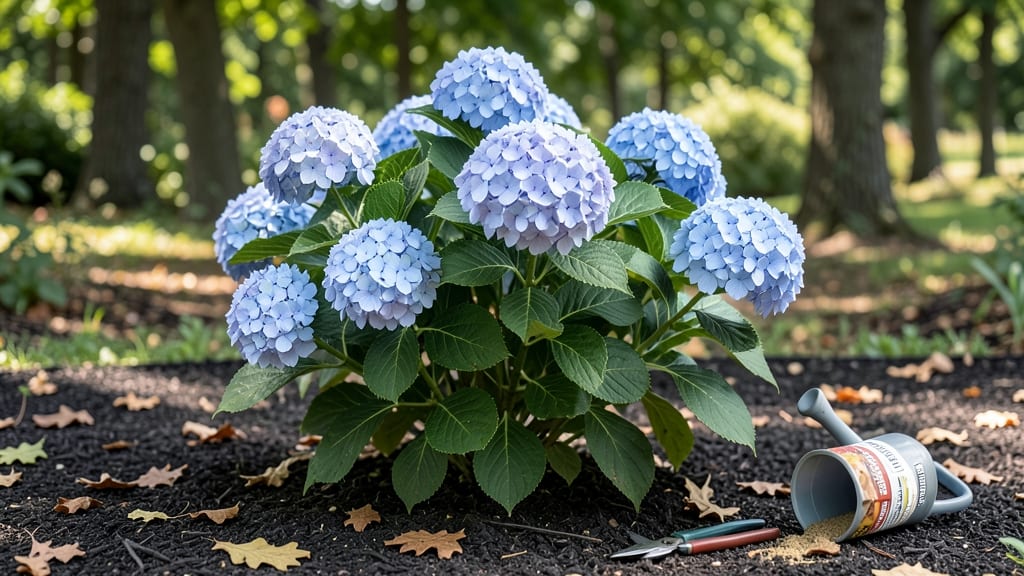
Light blue hydrangeas transform any garden into a dreamy, high-end retreat. 💙 I’ve seen them soften rough stone walls and turn ordinary borders into Instagram-worthy backdrops—all by playing with soil pH and a few strategic plant pairings.
The secret isn’t just the flowers; it’s how they make the whole space feel cooler, more serene, and effortlessly polished.
These blooms thrive when paired with silver foliage, lavender, and deep purple salvias—they create a soothing ombré effect that’s impossible to resist. My favorite combo? Planting them alongside ‘Little Spire’ euonymus for vertical contrast or ‘Lace Cap’ hydrangeas in the same bed for texture play.
Even in containers, they steal the show when surrounded by heuchera or ferns—the light blue pops against the chartreuse and burgundy like a painter’s palette.
Imagine a morning-glow border where the first light catches the petals, turning them almost silver, or a shady nook where they glow like moonlight on water. The best part? They’re not just pretty—they’re versatile.
Use them as a focal point in a cottage garden, a modern planter, or even as a living room divider in a courtyard. The possibilities are endless, and the effect is always stunning.
Here’s the thing—these hydrangeas don’t just brighten your garden; they elevate the whole vibe. Whether you’re going for romantic, modern, or whimsical, light blue hydrangeas are the secret weapon that ties it all together. Let’s make your outdoor space the envy of the neighborhood—one bloom at a time.
📚 In This Guide
- What you need
- Instructions
- Tips and common mistakes
- Wrapping up and next steps
What you need
- ● Light blue hydrangea plants (e.g., Hydrangea macrophylla ‘Nikko Blue’ or ‘Endless Summer’ varieties): 1-3 mature plants (for established gardens) or 3-5 young plants (for new plantings)
- ● Ensure they’re potted or bare-root from a reputable nursery
- ● Acidic soil amendments (critical for blue blooms!): 10 lbs sulfur powder (for soil acidification)
- ● 5 lbs peat moss or pine bark fines (per plant)
- ● 1 gallon hydrangea-specific fertilizer (high in aluminum for blue flowers)
- ● pH testing kit (digital or liquid test strips)
- ● Garden gloves and knee pads (for comfort)
- ● Watering can or hose with spray nozzle (for gentle hydration)
- ● Garden trowel or spade (for planting/amending soil)
- ● Pruning shears (sterilized with rubbing alcohol)
- ● Mulch (3-4 inches of pine straw or wood chips to retain moisture and acidity)
- ● Rain gauge or moisture meter (to monitor soil hydration)
- ○ Epsom salt (1 tbsp per gallon of water, optional for magnesium boost)
- ● Shade cloth (30-50% coverage, if planting in hot climates)
- ● Full or partial sun (4-6 hours of light daily; avoid harsh afternoon sun)
- ● Well-draining, acidic soil (pH 5.2–5.5) (test before planting!)
- ● Consistent moisture (hydrangeas hate drought—plan for regular watering)
- ● Patience! Light blue blooms may take 1-2 seasons to fully manifest after soil adjustments.
Step-by-step guide to cultivating light blue hydrangeas
Transform your garden's color palette with these proven techniques for consistent, vibrant blue blooms.
🌱 Step 1: Select and Prepare the Perfect Acidic Soil
Hydrangeas demand soil with a pH between 5.0 and 5.5 for those signature blue blooms. Test your soil first—most garden centers sell affordable pH test kits. If your soil measures higher (like the typical 6.5-7.0), you'll need to amend it with sulfur or peat moss. I like to mix in 2-3 pounds of sulfur per 100 square feet and till it in 2-3 months before planting.
For container-grown hydrangeas, use a pre-mixed acid-loving potting soil (avoid generic garden soil—it's too alkaline and will lock in pink blooms). The key is patience: soil acidification takes time, so don't expect instant results. You'll see the first hints of blue in new growth after 6-8 weeks of consistent care.
☀️ Step 2: Plant in Partial Shade with Morning Sun Exposure
Light blue hydrangeas thrive in morning sun with afternoon shade—think dappled sunlight or filtered light conditions. A spot that gets 3-4 hours of direct morning sun followed by 4+ hours of shade produces the most vibrant blooms. Too much afternoon sun can stress the plant, causing leaves to scorch and blooms to fade prematurely.
When planting, dig a hole twice as wide as the root ball but no deeper. This encourages outward root growth, which stabilizes the plant and improves nutrient uptake. Gently tease the roots if they're circling, then backfill with your amended soil. Water deeply right after planting to eliminate air pockets—you'll know it's right when water drains freely from the bottom of the hole.
💧 Step 3: Water Consistently and Monitor Soil Moisture
Hydrangeas are thirsty plants that need 1-1.5 inches of water per week, including rainfall. I check soil moisture by sticking my finger 2 inches deep—if it feels dry, it's time to water. During hot spells, you may need to water every 2-3 days, but avoid soggy soil, which invites root rot. Mulch with 2-3 inches of pine bark or wood chips to retain moisture and gradually acidify the soil.
Here's the thing—hydrangeas drink from their outer roots, not just the center. Water slowly at the base, letting it soak in rather than running off. You'll see the difference in plant vigor: consistently moist plants develop stronger stems and larger blooms than those left to dry out between waterings.
✂️ Step 4: Prune Strategically in Late Winter or Early Spring
Pruning is where most gardeners go wrong with hydrangeas. For light blue varieties, prune just after the last frost when new buds begin to swell. Cut back old wood (last year's growth) by about ⅓, but leave 3-5 sets of buds on each stem. This encourages bushier growth and more abundant blooms. Never prune in fall—you'll remove next year's flower buds before they form.
Watch for dead or crossing branches—remove those completely at the base. I always sterilize my pruners with rubbing alcohol between cuts to prevent disease spread. After pruning, give the plant a balanced fertilizer (like 10-10-10) to support new growth. You'll notice fresh, vibrant green leaves emerging within 2-3 weeks, signaling successful pruning.
🌿 Step 5: Adjust pH and Fertilize for Consistent Blue Blooms
To maintain that light blue hue, test soil pH every 3-4 months during the growing season. If blooms start shifting toward pink, your soil is becoming less acidic. Reapply sulfur or aluminum sulfate (follow package rates) and water thoroughly. The color change happens gradually—you'll see the first blue tinges in new blooms 4-6 weeks after treatment.
Feed your hydrangeas twice a year: once in early spring with a high-phosphorus fertilizer (like 5-10-5) to encourage blooming, and again in mid-summer with a balanced fertilizer (10-10-10) to support overall health. Avoid high-nitrogen fertilizers—they produce lush foliage but fewer flowers. You'll know you're doing it right when your plant produces 20-30 blooms per stem by midsummer.
Tips & tricks for perfect light blue hydrangeas
These expert insights will help you achieve those coveted vibrant blue blooms with less guesswork and more confidence.
Soil pH Precision: The 5.0-5.5 pH range is non-negotiable for true blue blooms, but don't rush the acidification process. I've seen gardeners add too much sulfur at once, which can actually burn roots. Instead, apply the 2-3 pounds per 100 square feet over 2-3 months before planting, mixing it into the top 6 inches of soil. For container plants, use pre-mixed acid-loving potting soil—it's worth the extra cost to avoid pH surprises. The 6-8 weeks wait for color development is worth it: patience here prevents the frustration of pink blooms later.
Lighting Strategy: That 3-4 hours of morning sun requirement is critical, but many gardeners misjudge the afternoon shade. I recommend planting near deciduous trees that provide shade in summer but allow winter sun. If you're working with a fixed location, observe your garden's sun patterns for a week first—afternoon sun can scorch leaves by early afternoon, even if it's only 2 hours of direct exposure. The goal is to keep leaves cool while still getting enough light for photosynthesis.
Watering Technique: The 1-1.5 inches weekly guideline is a starting point, but hydrangeas actually need consistent moisture at the root zone. I use a rain gauge near my plants to track rainfall, then supplement with deep watering at the base (not overhead). The 2-inch deep soil check works, but I've found that outer roots (which extend 12-18 inches from the stem) need special attention—water slowly in concentric circles to encourage outward root growth. Mulching with 2-3 inches of pine bark helps maintain moisture while gradually acidifying the soil over time.
Pruning Timing: The late winter/early spring pruning window is small, and many gardeners miss it. I mark my calendar for just after the last frost when buds begin swelling—this is your cue. For light blue varieties, focus on old wood (last year's growth) and cut back ⅓, leaving 3-5 sets of buds per stem. Pro tip: Use sterilized pruners (rubbing alcohol works) to prevent disease spread between cuts. The 2-3 weeks for new growth to appear is your confirmation that pruning went well—look for fresh, vibrant green leaves emerging from those buds.
Pro Tips for Light Blue Hydrangeas
- These expert insights will help you achieve those coveted vibrant blue blooms with less guesswork and more confidence.
- Soil pH Precision: The 5.0-5.5 pH range is non-negotiable for true blue blooms, but don't rush the acidification process.
- Lighting Strategy: That 3-4 hours of morning sun requirement is critical, but many gardeners misjudge the afternoon shade.
Frequently asked questions
Got questions about growing light blue hydrangeas? You’re not alone! Whether you’re a first-time gardener or a seasoned plant parent, these answers will help you achieve those dreamy, sky-toned blooms. Let’s dive in!
Why aren’t my hydrangeas turning blue?
Hydrangeas change color based on soil pH. For light blue blooms, your soil needs to be alkaline (pH 6.0–7.0). Test your soil with a kit and amend with lime if needed. Pro tip: Avoid over-fertilizing with aluminum—it can darken blooms!
How long does it take for hydrangeas to turn blue?
Patience is key! If you adjust soil pH now, you’ll see color changes in 4–8 weeks during the current growing season. For established plants, full blue blooms may take 1–2 seasons of consistent care. Pro tip: Monitor soil pH every 3–4 months for best results.
Can I grow light blue hydrangeas in containers?
Just use a well-draining potting mix and a container with drainage holes. Add hydrangea-specific fertilizer (low in aluminum) and adjust pH with lime or sulfur as needed. Pro tip: Repot every 2–3 years to refresh nutrients!
What if my hydrangeas turn pink or purple?
Pink/purple blooms mean your soil is too acidic (pH below 6.0). Raise pH by adding wood ash or crushed limestone. Avoid compost-heavy mixes, which can lower pH. Pro tip: Test soil in spring and fall for quick fixes!
Do light blue hydrangeas need special care in hot climates?
Yes! Heat and drought stress can fade blooms. Water deeply 2–3 times weekly and mulch to retain moisture. Choose morning sun to avoid scorching. Pro tip: Consider shade cloth (30–50%) for peak summer protection!
Wrapping up and next steps
Growing light blue hydrangeas is all about embracing a little patience and soil science—your garden will thank you with stunning, year-round blooms! 🌸 By mastering acidic soil conditions, proper light exposure, and consistent care, you’re well on your way to creating a showstopping floral display.
Now that you’re armed with the secrets to vibrant blue hydrangeas, why not put your knowledge into action? Grab your gardening gloves, test that soil pH, and watch your garden transform into a serene, blue-hued paradise!