
Plants
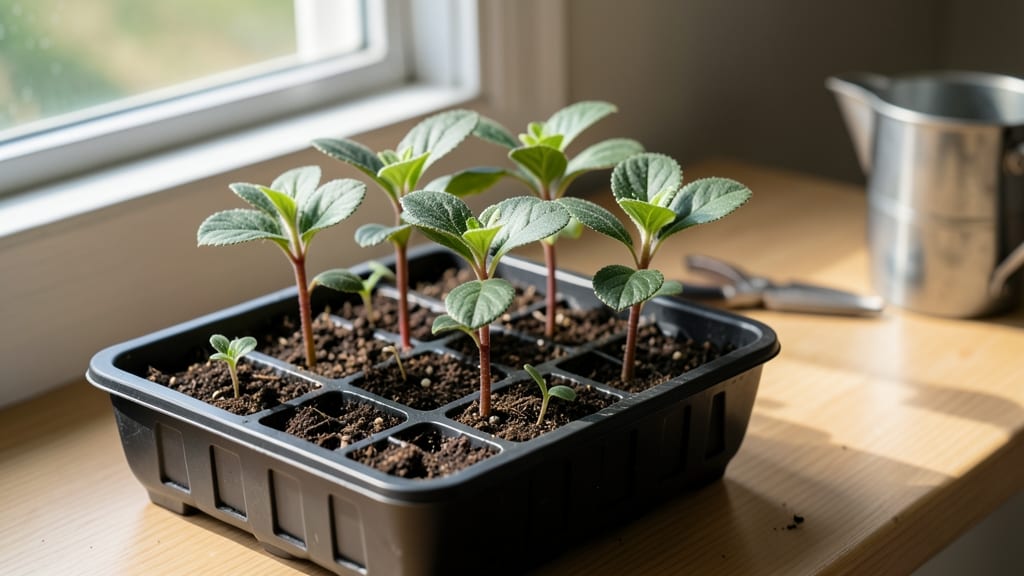
Hydrangea seedlings start as tiny, delicate stems with leaves that look like miniature versions of the adult plant—round, slightly serrated edges, and a vibrant green color. 🌱 I’ve seen gardeners mistake them for weeds, but those first leaves are the giveaway: they’re soft, almost fuzzy, and grow in pairs along the stem.
The key is catching them early, before they get crowded by faster-growing weeds or other seedlings.
Under ideal conditions—bright, indirect light and consistently moist (not soggy) soil—these seedlings grow about 1-2 inches per week. Their roots are shallow at first, so a gentle tug on the soil should reveal a small white root ball.
If the soil smells fresh and the leaves stay perky, you’re on the right track. Too much water or shade, though, and they’ll stretch and weaken, making them harder to spot.
What makes hydrangea seedlings stand out is their slow but steady growth. Unlike fast-sprouting weeds, they take their time, and their leaves develop a slight glossiness as they mature.
By the time they’re 3-4 inches tall, you’ll notice the classic hydrangea shape emerging—just smaller, with a hint of the bushy form they’ll become. That’s when you’ll know you’ve got the real deal.
For a visual reference, compare them to a side-by-side chart of common weeds (like chickweed or crabgrass) and other seedlings (like impatiens or coleus). The difference in leaf shape and growth speed becomes obvious once you know what to look for.
Trust your eyes—and your fingers: a gentle pinch of the stem should snap cleanly, not squish like a weed’s.
Seedling Struggles Explained
Understanding why hydrangea seedlings look the way they do starts with their early-stage vulnerabilities. These delicate plants undergo rapid transformations, and their appearance is heavily influenced by genetics, environmental conditions, and growth phases. Let’s break down the key reasons behind their unique look—from tiny leaves to spindly stems.
🌱 Why? Hydrangea seedlings inherit traits from their parent plants, including leaf shape, stem thickness, and growth rate.
Some varieties, like Hydrangea macrophylla (bigleaf hydrangea), produce seedlings with small, serrated leaves and a compact form, while others, such as Hydrangea paniculata (panicle hydrangea), may sprout lobed or elongated leaves from the start.
- Actionable Insight: If you’re growing from seed, expect variability—seedlings may not resemble the mature plant until 6–12 months old. For consistent traits, consider cuttings or grafted plants from nurseries.
☀️ Why? Hydrangeas are light-sensitive, and seedlings react dramatically to sunlight levels.
Too much direct sun can cause: - Stunted growth (leaves stay small and crispy) - Reddish or purplish tinges (a sign of stress, not disease) - Elongated stems (as they stretch toward light, a condition called etiolation)
Conversely, low light leads to:
- Pale, weak stems (lacking chlorophyll)
- Slow leaf development (leaves may appear sparse or underdeveloped)
- Fix It: Place seedlings in dappled shade (morning sun + afternoon shade) for the first 4–6 weeks. Gradually acclimate them to full sun as they mature.
💧 Why? Hydrangeas have shallow root systems when young, making them prone to overwatering or drought stress. Here’s how it shows up: | Issue | Visual Clues | Solution | |--------------------|-------------------------------------------|-----------------------------------------------| | Overwatering | Yellowing leaves, mushy stems, wilting | Let top 1 inch of soil dry between waterings.
Use well-draining soil. | | Underwatering | Crispy leaf edges, drooping, slow growth | Water deeply 2–3 times per week (adjust for climate). Use mulch to retain moisture. |
- Pro Tip: Seedlings in plastic trays dry out faster—check soil moisture daily with your finger. Bottom watering (placing trays in a shallow dish of water) can prevent root rot.
📊 Why? Young hydrangeas need balanced nutrients to grow strong. Deficiencies show up as:
- Pale or yellow leaves (lack of nitrogen)
- Purple stems or undersides (phosphorus deficiency)
- Small, brittle leaves (potassium or magnesium shortage)
- Actionable Fix: Use a mild, water-soluble fertilizer (like 10-10-10) once a month after the first true leaves appear. Avoid high-salt fertilizers, which can burn tender roots.
❄️🌡️ Why? Hydrangeas thrive in moderate climates (USDA Zones 5–9). Seedlings exposed to:
- Cold snaps (<50°F/10°C) → Stunted growth, dark spots on leaves (cold damage).
- High heat (>90°F/32°C) → Leaf scorch (brown edges), slowed growth.
- Low humidity → Curling leaves, dry tips.
- Solution: Keep seedlings in a humidity dome (or cover with a plastic bag) until they develop 4–5 true leaves. Move them to a shady, sheltered spot during extreme weather.
🐜 Why? Tiny seedlings are magnets for pests like aphids, spider mites, or fungal infections (e.g., powdery mildew). Early signs include:
- Sticky residue on leaves (aphids)
- White webbing (spider mites)
- Fuzzy gray patches (powdery mildew)
- Prevent It: Spray seedlings with neem oil (1 tsp per quart of water) every 7–10 days as a preventive. Ensure good airflow to reduce humidity-related diseases.
🌿 Why? Moving seedlings—even from a nursery pot to your garden—can cause temporary stunting. Signs include:
- Wilting despite watering
- Slow leaf production
- Yellowing lower leaves
- Recovery Tip: Hardening off (acclimating seedlings to outdoor conditions over 7–10 days) reduces shock. After transplanting, water deeply and avoid fertilizing for 2 weeks to let roots establish.
Fixing Hydrangea Seedling Struggles
If your hydrangea seedlings aren’t thriving—or worse, aren’t even sprouting—don’t panic! Most issues have simple fixes, whether it’s adjusting care habits, troubleshooting environmental factors, or preventing future problems. Below, we’ve mapped common challenges to actionable solutions, so you can nurture healthy seedlings from the start. 🌱
Cause: Poor soil conditions, incorrect moisture, or temperature issues. Solution:
- 🔥 Use Warm, Moist Soil: Hydrangea seeds need warmth (70–75°F) and consistent moisture to break dormancy. Place your seed tray on a heating mat or in a sunny windowsill. Keep soil damp (not soggy) by misting lightly daily.
- 🌡️ Adjust Humidity: Cover seeds with plastic wrap or a humidity dome to retain moisture. Remove the cover once sprouts appear to avoid mold.
- ⏰ Be Patient: Germination can take 2–4 weeks. If seeds still don’t sprout after 6 weeks, they may need stratification (chilling) or fresh seed.
💡 Pro Tip: Soak seeds in warm water for 24 hours before planting to soften the outer layer and speed up germination.
Cause: Overcrowding, insufficient light, or nutrient deficiency. Solution:
- 🌞 Provide Bright, Indirect Light: Place seedlings near a south-facing window or under grow lights (12–16 hours/day). Avoid harsh direct sun, which can scorch tender leaves.
- 👨🍳 Thin Seedlings Early: Once seedlings have 2–3 true leaves, snip the weakest ones with clean scissors to give the strongest plants room to grow. Aim for 2–3 inches between stems.
- 🥗 Fertilize Lightly: Use a diluted, balanced fertilizer (10-10-10) only after seedlings develop their first true leaves. Over-fertilizing can burn delicate roots.
✨ Prevention: Use well-draining seed-starting mix and avoid compacting soil during planting.
Cause: Overwatering, underwatering, or disease. Solution:
- 💧 Check Moisture Levels: Stick your finger 1 inch into the soil. If it’s dry, water gently at the base. If it’s soggy, let it dry out and improve drainage by adding perlite or sand.
- 🦠 Monitor for Pests/Disease: Yellow leaves with black spots may signal fungal issues (like powdery mildew). Remove affected leaves and treat with neem oil or a copper fungicide.
- 🌡️ Adjust Temperature: Avoid drafts or extreme heat (above 85°F), which stress seedlings. A cool, consistent environment (60–75°F) keeps them happy.
🎯 Prevention: Sterilize tools and containers before reuse to prevent pathogen spread.
Cause: Nutrient deficiency or transplant shock. Solution:
- 🍽️ Feed with Care: Switch to a low-nitrogen, phosphorus-rich fertilizer (like 5-10-5) once seedlings are 3–4 inches tall. Follow label instructions for dilution.
- 🌱 Harden Off Gradually: Before transplanting outdoors, acclimate seedlings to outdoor conditions over 7–10 days. Start with 1–2 hours of sunlight daily, increasing exposure slowly.
- 🌍 Choose the Right Pot: Use biodegradable pots or transplant carefully to avoid root disturbance. Hydrangeas dislike root disruption, so handle seedlings gently!
💡 Pro Tip: Add a handful of compost to the soil mix for a gentle nutrient boost without risking over-fertilization.
With these targeted fixes, your hydrangea seedlings should perk up in no time. Remember: consistency in care—light, water, and love—is key to raising sturdy, vibrant plants ready for their forever home in your garden. 🌸
Frequently asked questions about hydrangea seedlings
How can I tell if a tiny sprout is a hydrangea seedling or just a weed?
Look for paired, round leaves with slightly serrated edges—hydrangea seedlings grow in opposite pairs along the stem, while weeds often have single leaves or jagged edges. The stems should be hairy and tender, not tough like grass. A quick test: gently tug on the sprout—hydrangea roots pull out cleanly with a small white root ball.
Why do my hydrangea seedlings look stretched out and weak?
This is called etiolation, caused by too little light. Seedlings stretch toward any available light source, creating long, spindly stems with sparse leaves. Move them to bright, indirect light (like a south-facing window) and avoid placing them near cold drafts or heat sources, which also stress young plants.
How fast should hydrangea seedlings grow in their first month?
Healthy seedlings typically grow 1-2 inches per week under ideal conditions (warm soil, consistent moisture, and good light). If growth is slower, check for overcrowding or underwatering. Thin seedlings to 2-3 inches apart and keep soil evenly moist—never soggy—to encourage steady growth.
Can I transplant hydrangea seedlings too soon after they sprout?
Wait until seedlings have 3-4 true leaves (not just the initial seed leaves) and are at least 3-4 inches tall before transplanting. Young seedlings are fragile—handle them by the leaves, not the stems, and water thoroughly after moving to help them establish. Transplanting too early risks shock and stunted growth.
What do hydrangea seedlings need that other seedlings don’t?
Hydrangeas are particularly sensitive to moisture consistency and humidity. Unlike drought-tolerant plants, they need evenly damp soil (not waterlogged) and benefit from a humidity dome (plastic wrap over the tray) until they develop 4-5 true leaves. They also prefer shade cloth over direct sun during hot afternoons.