
Plants
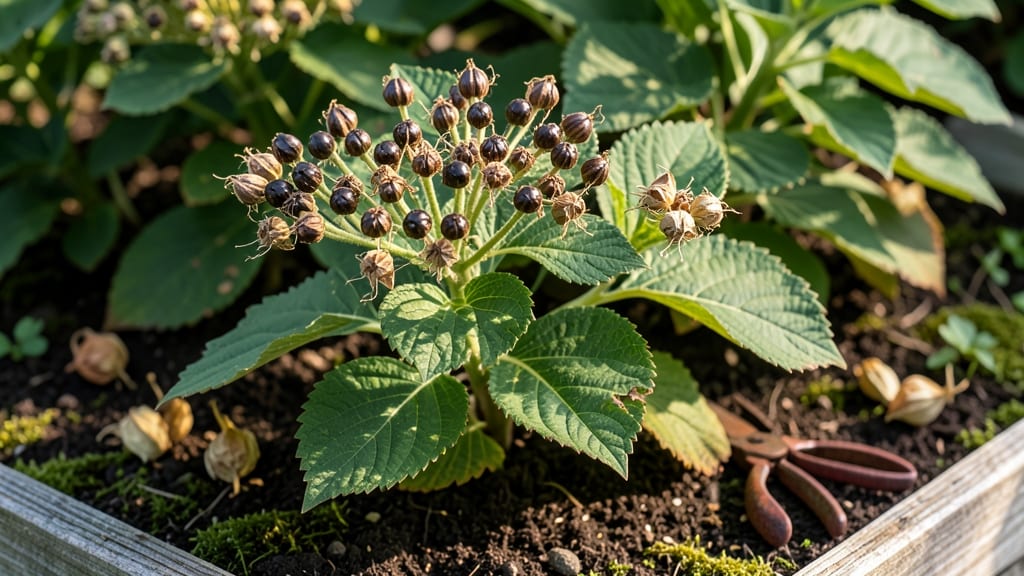
Hydrangea seeds look like tiny, flat oval capsules—often brown to dark brown—nestled inside dried flower heads, resembling miniature papery husks about 1/8-inch long. When fully mature, they release smaller winged seeds that starkly contrast the plant’s showy blooms.
These seed pods form after hydrangea flowers fade, transforming from vibrant blooms into dried, papery structures. 🌿 The capsules contain the actual seeds, which are much smaller—often just 1/16-inch long—with delicate wings that help them disperse in the wind.
Unlike the bold, rounded flower heads most people recognize, these seed pods are slender and often overlooked until they split open in late fall or winter.
What's fascinating is how these seeds differ from the plant's signature blooms. While hydrangea flowers can be 2-4 inches wide in colors like pink, blue, or purple, the seed pods are barely noticeable until they dry completely.
This transformation highlights nature's dual purpose—beautiful flowers for pollinators and hidden seeds for propagation.
💡 In This Article
- Hydrangea Seed Pods vs. Flower Heads: Key Differences
- How to Identify Mature Hydrangea Seeds for Planting
Hydrangea seed pods vs. flower heads: key differences
The transformation from hydrangea flower to seed pod begins when pollinated blooms transition from vibrant colors to dried structures. What starts as a 2-4 inch wide flower head—often pink, blue, or purple—shrinks dramatically as it matures.
The key difference lies in their texture: fresh blooms feel soft and fleshy, while seed pods develop a papery, almost brittle consistency as they dry out. This texture change occurs because the plant redirects nutrients from flower petals to seed development.
Seed pods measure about 1/8-inch long and appear as flat, oval capsules that hang from the plant's stems. Unlike the rounded, full flower heads, these pods are slender and elongated, resembling tiny brown envelopes.
The color shift from floral hues to muted browns happens due to chlorophyll breakdown and lignin accumulation in the pod walls. This process takes 4-6 weeks after flowering, with pods typically maturing in late summer to early fall.
What's most striking is the contrast between the showy blooms and the humble seed pods. While flowers attract pollinators with their bright colors, seed pods serve a functional purpose—protecting the tiny 1/16-inch winged seeds inside.
These seeds develop delicate membrane wings that help them disperse via wind, a stark contrast to the plant's ornamental flowers. The pods' papery texture also makes them more susceptible to wind damage compared to the sturdy flower stems.
Botanically, this transformation represents the plant's reproductive cycle. The flower heads contain both male and female reproductive parts, but only fertilized flowers develop into seed pods. Unfertilized blooms may wither away completely. This dual-purpose structure—beautiful flowers for pollination and seed pods for propagation—demonstrates nature's efficient design.
The pods' brown coloration also helps them blend into autumn foliage, providing camouflage for the seeds until they're ready for dispersal.
One fascinating detail is how hydrangea seed pods split open when mature. This happens through a process called dehiscence, where the pod walls dry out and crack along natural seams.
The wings on the seeds then catch the wind, allowing them to travel up to 10 feet from the parent plant. This dispersal method contrasts with many other plants that rely on animals or water for seed distribution.
The papery texture of the pods plays a crucial role in this process, as it allows them to remain lightweight while still protecting the seeds.
For gardeners, recognizing this transformation is key to understanding when to harvest seeds. The pods' color change from green to brown signals maturity, while their texture becoming completely dry indicates readiness for seed extraction.
This process highlights how hydrangeas balance their ornamental appeal with their reproductive functions, creating a perfect example of nature's multifaceted design. 🌿