
Succulent
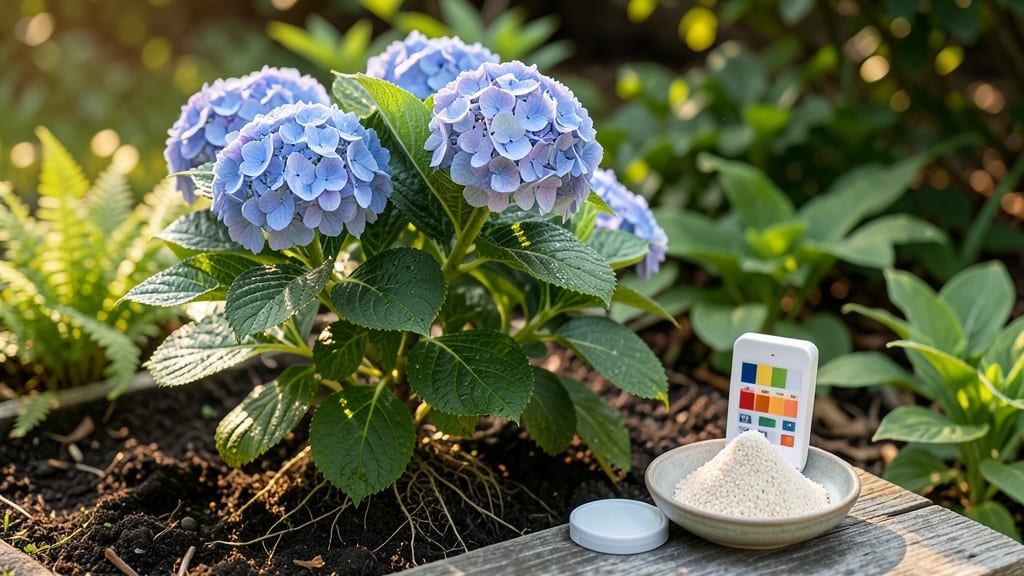
The color shift in hydrangeas happens because of a fascinating chemical dance in the soil. 🌸 When pH drops below 6.0, aluminum becomes more available to the plant roots, which then activates blue anthocyanin pigments. Conversely, higher pH levels above 7.0 lock away aluminum and promote pink hues instead.
This isn't just about aesthetics—it's a direct response to your soil's chemistry that you can actually control with simple adjustments. Many gardeners discover they can change their hydrangea colors just by modifying their soil pH, making it a fun experiment with immediate visual results.
What's interesting is that this color-changing ability works best with certain hydrangea varieties like mophead and bigleaf types, which are particularly responsive to pH changes. The process requires patience—it can take up to two growing seasons for the full color transformation to become visible after making soil adjustments.
Testing your soil's pH regularly with a simple kit (available for under $10) is the first step to unlocking this natural color magic in your garden.
💡 In This Article
- How Soil pH Controls Hydrangea Flower Color Chemistry
- Adjusting Soil pH for Blue Hydrangeas: Step-by-Step Guide
How soil pH controls hydrangea flower color chemistry
The vibrant blue color in hydrangeas isn't just a coincidence—it's a direct result of soil chemistry. When soil pH drops below 6.0, aluminum ions become more soluble, which the plant readily absorbs through its roots.
These aluminum ions then bind to anthocyanin pigments in the petals, producing that signature blue hue. The process is similar to how litmus paper changes color based on acidity, but on a much grander scale in your garden.
At the molecular level, anthocyanins are water-soluble pigments that exist in various forms depending on the pH environment. In acidic conditions, they bind with aluminum to form a complex that reflects blue light.
Conversely, in alkaline soils (above 7.0), calcium and magnesium ions dominate instead, preventing aluminum uptake and allowing red or pink anthocyanin forms to develop. This chemical switch happens because aluminum's solubility follows a bell curve—it's highest at pH 5.0-5.5 and nearly nonexistent above 6.5.
What most gardeners don't realize is that this color transformation requires precise pH control. A soil pH of 5.5-6.0 typically produces the deepest blues, while 6.5-7.0 yields softer pinks.
Testing kits work by comparing color changes in a liquid sample to a chart—most home kits use a 0-14 pH scale with accuracy within ±0.5 pH units. The reaction happens because the test strips contain pH-sensitive dyes that mimic the anthocyanin behavior in hydrangea petals.
Interestingly, the same chemical principles apply to other plants like blueberries and azaleas, which also thrive in acidic soils. The key difference is that hydrangeas are particularly sensitive to these changes, making them nature's perfect pH indicator.
When you see those stunning blue blooms, you're witnessing a chemical reaction that's been happening for millions of years in plant evolution.
For those curious about the mechanics, think of it like this: aluminum acts as a natural dye fixative, much like how mordants are used in fabric dyeing. The more aluminum available in the soil, the more intense the blue color becomes.
This is why gardeners often see the most dramatic color shifts in mophead and bigleaf varieties, which have higher anthocyanin concentrations in their petals.
What's fascinating is that this color-changing ability isn't just about aesthetics—it's an evolutionary adaptation. In nature, blue flowers often attract specific pollinators that are drawn to those wavelengths of light.
By controlling soil pH, you're essentially giving your hydrangeas the ability to "choose" their own color palette based on their environment.