
Blooming
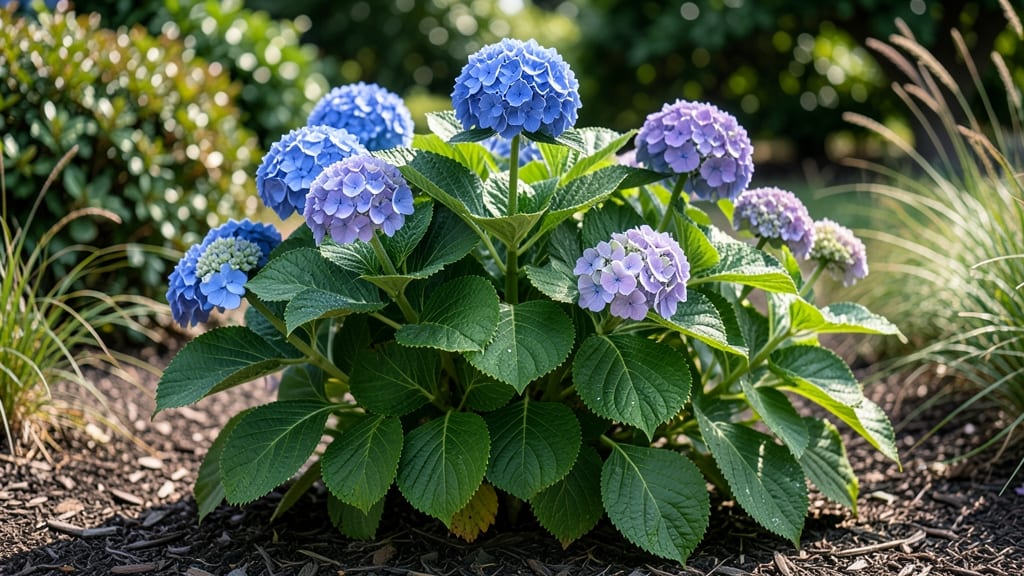
Hydrangea blooming seasons are all about balance—temperature triggers flower buds to open, but each variety has its own rhythm. 🌸 For example, mophead hydrangeas (like the classic 'Endless Summer') usually start showing color in June, while lacecap varieties might wait until July.
In warmer climates, you could even see a second flush of blooms in late summer if the plant gets consistent moisture and partial shade.
I’ve noticed that in my zone 7 garden, panicle hydrangeas ('Limelight') sometimes bloom as early as May if we have a mild winter, while in cooler zones, they might wait until June or even July.
What’s fascinating is how climate zones shift these timelines—gardeners in the Pacific Northwest might see their hydrangeas peak in June, while those in the Deep South could enjoy blooms stretching from April through September.
The key is observing your local microclimate, as even a few degrees difference can push blooming weeks earlier or later. 💫
💡 In This Article
- Hydrangea Bloom Timing by Variety and Flower Type
- Adjusting Hydrangea Blooming Seasons by Climate Zone
Hydrangea bloom timing by variety and flower type
The blooming window for hydrangeas starts with their flower type—each variety follows a distinct biological rhythm tied to bud formation. Mophead hydrangeas (like 'Nikko Blue') typically begin opening buds in late May to early June, with peak color lasting 6-8 weeks.
Their large, rounded blooms develop on old wood, meaning they set buds in the previous summer and winter, then bloom the following year when daytime temperatures consistently reach 60-65°F for at least 5-7 days. 🌸
Lacecap varieties (such as 'Vanille Fraise') bloom slightly later, usually in June, because their flat, lace-like flowers require more warmth to fully unfurl.
Oakleaf hydrangeas ('Oakleaf Hydrangea') are the late bloomers, often opening in July and sometimes extending into September, thanks to their heat tolerance and ability to bloom on both old and new wood.
Panicle types like 'Little Lime' surprise gardeners by blooming earliest—sometimes as early as May in warmer zones—because their conical flowers form on current season's growth, making them more responsive to spring warmth.
What most gardeners don't realize is that hydrangea blooming isn't just about temperature—it's also about day length. Many varieties use photoperiodism (daylight hours) as a secondary cue. For instance, annabelle hydrangeas ('Annabelle') bloom in late spring because they respond to increasing daylight after winter's shorter days.
This explains why they often flower 2-3 weeks earlier than mopheads in the same climate. The science here involves hormonal changes triggered by both temperature and light exposure.
Here's how to spot the differences in your garden: Mopheads have large, globe-shaped blooms that dominate the plant, while lacecaps feature smaller flowers with a central ring of fertile blooms.
Oakleaf varieties produce leaves that turn fiery red in fall, while panicles develop cone-shaped clusters that often change color from green to pink or cream as they mature. These visual cues help you predict which type will bloom when in your region.
For example, in USDA Zone 5, expect mopheads to bloom in June, lacecaps in July, and oakleaf varieties to extend through August. In Zone 9, those same varieties might bloom as early as April for mopheads and stretch into October for oakleaf types.
The variation comes from how quickly the plants transition from dormancy to active growth—warmer zones break dormancy faster, while cooler ones take longer to reach the 50°F threshold needed for bud development.
If you're planning your garden layout, consider pairing early bloomers like panicles with late bloomers like oakleaf varieties. This creates a continuous color display from May through September, as each type takes its turn in the spotlight.
The key is understanding that hydrangeas don't bloom all at once—they stage their performance like a well-choreographed garden show. 💫