
Pests and Diseases
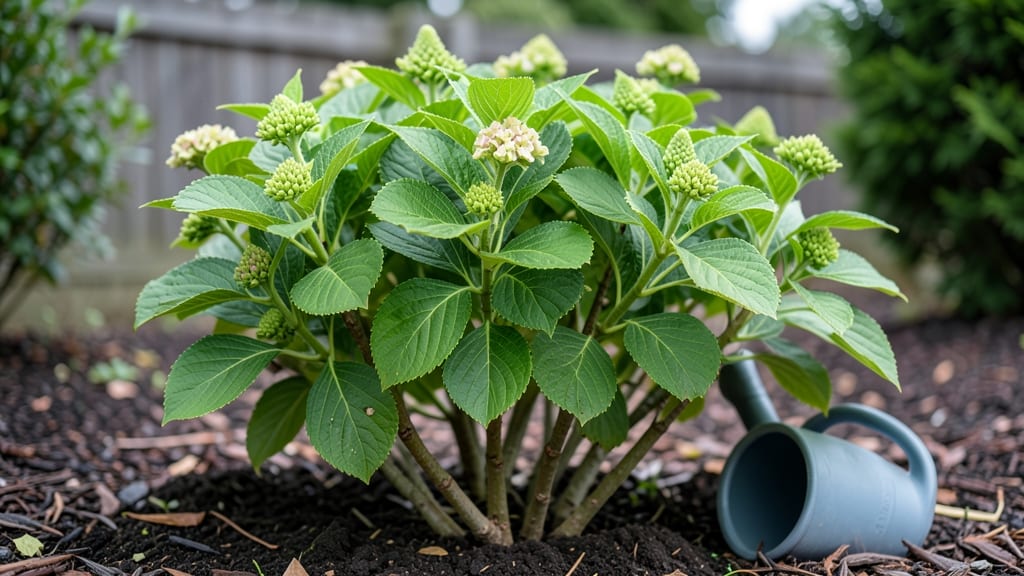
Hydrangeas leaf out in late spring, typically between April and May after the last frost—though the exact timing depends on your zone and variety.
If you’ve ever wondered why your 🌸 hydrangeas seem to bloom late—or not at all—timing is everything. The moment new leaves emerge isn’t just about growth; it’s the critical window that determines whether you’ll enjoy lush blooms or bare stems this season.
In warmer zones like 6a, leaf-out often starts by early April, while colder regions may wait until June. Frost, soil moisture, and even last year’s pruning can shift that timeline by weeks.
Below, I’ll break down the zone-by-zone schedule, what delayed leafing means for your plant, and how to give your hydrangeas the best start for bigger, brighter blooms.
Hydrangea leaf-out timeline by US hardiness zones: when to expect new growth
Timing is everything when it comes to hydrangeas, and understanding your USDA hardiness zone can mean the difference between vibrant blooms and bare stems. Leaf-out signals the start of the growing season, but the exact timing varies dramatically depending on where you live.
In colder zones like Zone 3-5, hydrangeas often wait until late May or early June to show new growth, while warmer Zones 8-10 may see fresh leaves as early as March or April.
This variation isn’t just about temperature—it’s also tied to specific hydrangea varieties and their unique dormancy patterns.
For example, oakleaf hydrangeas tend to leaf out earlier than mophead varieties, while panicle hydrangeas often lag behind. Even within the same zone, microclimates—like a sheltered spot near your home—can push leaf-out by 1-2 weeks.
Knowing these patterns helps you adjust care routines, like fertilizing or pruning, to align with your plant’s natural rhythm. Let’s break down what to expect in your area.
| USDA Zone | Typical Leaf-Out Window | Early Varieties | Late Varieties | Climate Notes |
|---|---|---|---|---|
| 3-4 | Late May - Early June | Oakleaf ('Snow Queen') | Mophead ('Endless Summer') | Frost risk until June; mulch heavily |
| 5-6 | Mid-May - Late May | Panicle ('Little Lime') | Mophead ('Nikko Blue') | Watch for late frosts; protect tender shoots |
| 7-8 | Early April - Mid-May | Oakleaf ('Pee Wee') | Mophead ('Annabelle') | Humidity increases; monitor for mildew |
| 9-10 | March - Early April | Panicle ('Limelight') | Mophead ('All Summer Beauty') | Minimal frost risk; fertilize early |
If you’re in Zones 3-4, your hydrangeas might still be dormant when most gardeners are itching to prune. Wait until after leaf-out—usually late May or June—before trimming, as cutting too early can remove next year’s flower buds.
In Zones 5-6, where leaf-out typically occurs in mid-May, you’ll have a narrower window to act. For instance, panicle hydrangeas like 'Little Lime' often leaf out first, giving you a head start on seasonal care compared to slower mophead varieties.
Warmer zones like 7-10 offer a longer growing season, but don’t assume your hydrangeas will leaf out early.
Even in Zone 9, where March is common, oakleaf varieties like 'Snow Queen' can still surprise you with a delayed start if winter was harsh. Panicle hydrangeas, however, are often the first to show signs of life, making them a great choice if you’re eager to kickstart your garden.
Pay attention to soil temperature—hydrangeas typically need the ground to warm to at least 50°F (10°C) before sending up new shoots.
Climate plays a bigger role than you might think. In humid zones (7-9), hydrangeas may leaf out earlier but face higher risks of powdery mildew if not given proper airflow. Meanwhile, drier zones (4-6) might see delayed leaf-out due to soil moisture stress.
To encourage healthy growth, I always mulch around the base in early spring, which helps retain moisture and protects roots from temperature swings. This is especially critical in Zones 3-5, where sudden frost can still occur well into May.
One common mistake I see is assuming all hydrangeas follow the same timeline. Oakleaf hydrangeas, for example, often leaf out 2-3 weeks earlier than mopheads, thanks to their native adaptability to cooler climates.
If you’re growing multiple varieties, keep a garden journal to track when each one breaks dormancy. This helps you fertilize at the right time—typically 4-6 weeks after leaf-out—to support robust bloom development.
For late leafers, like 'Endless Summer' mopheads, patience is key; they may not show buds until June or July.
For gardeners in Zones 8-10, where leaf-out can happen as early as March, the challenge shifts to water management. New shoots are vulnerable to overwatering in warm climates, so I recommend a deep but infrequent watering schedule once leaves appear.
In contrast, Zones 3-5 gardeners should focus on protecting tender shoots from late frosts. A simple frost cloth can save your hydrangeas from winter’s last gasp and ensure a smoother transition into the growing season.
If your hydrangeas aren’t leafing out by the expected time, don’t panic—but do investigate. Over-pruning, poor soil drainage, or dormant season stress can delay growth. I once had a 'Nikko Blue' mophead that refused to leaf out until July because it was planted
What hydrangea leaf-out means for your plant’s blooms: decoding the signs
The moment your hydrangea leaves unfurl in spring isn’t just a pretty sight—it’s a critical bloom predictor. Early leafers (like mophead varieties) often bloom on old wood, while late leafers (such as panicle types) set buds on new growth.
Miss this window, and you might prune off next year’s flowers! Understanding these signs helps you time care perfectly for maximum blooms.
For old-wood bloomers, leaf-out signals the start of the 6-8 week countdown to flowers. These hydrangeas form buds the previous season, so pruning too early can eliminate next year’s blooms.
Meanwhile, new-wood types need their late-winter pruning timed just right—too soon, and you stunt growth; too late, and you delay blooms.
🌱 Key Takeaway: Leaf-Out Timing & Bloom Impact
Bloom on old wood; leaf-out = 6-8 weeks to flowers. Wait to prune until after blooming!
Bloom on new wood; prune late winter for summer flowers. Leaf-out = new buds forming.
Oakleaf hydrangeas often leaf late but bloom on old wood. Verify variety first!
Watch for leaf color shifts—healthy green means your plant is photosynthesizing and storing energy for blooms. Yellowing leaves? That’s a red flag for overwatering or nutrient deficiency, which can weaken flower production. Adjust your care immediately to prevent bloom failure.
If your hydrangea leaves out late in the season (June or later), it’s often due to late frost damage or poor soil drainage.
Protect tender shoots with row covers in cold zones, and amend soil with organic matter to improve warmth retention. Early leafers benefit from light mulching to maintain soil temps.
Pro tip: Track your hydrangea’s leaf-out date for 2-3 years to spot patterns. In Zone 5-7, expect leaf-out between late April and early May, while Zone 8-10 plants may leaf out as early as March. Use this data to time pruning and fertilizing for peak blooms.
Remember: Leaf-out ≠ bloom time. It’s your cue to start monitoring bud formation and adjust watering (deep soaks every 7-10 days). For old-wood types, avoid heavy pruning until you’ve confirmed no more buds—some varieties hide buds in leaf axils! New-wood types?
Prune now to encourage stronger summer blooms.