
Fertilization
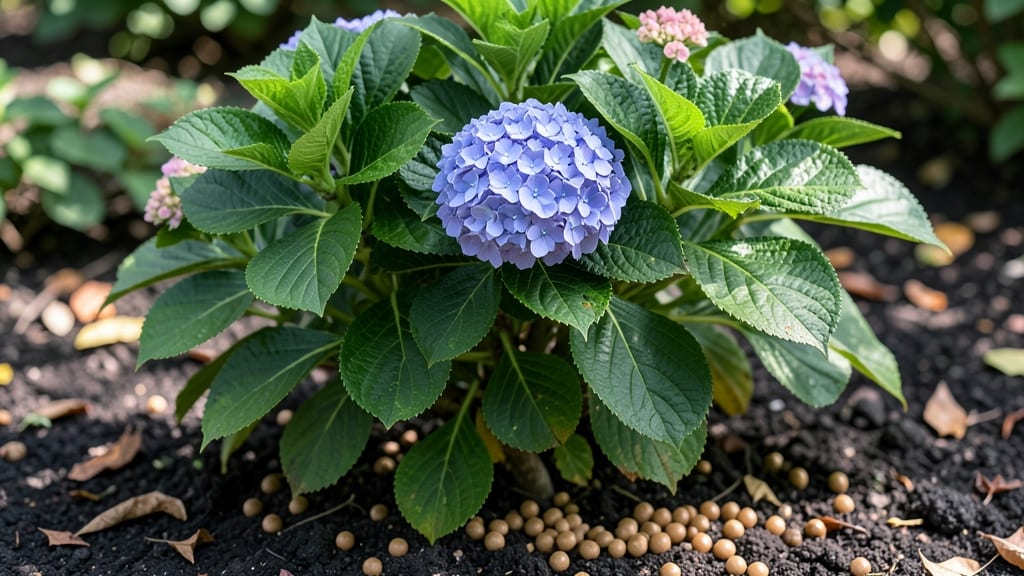
Fertilizing hydrangeas in Zone 6 at the right times is the secret to those showstopping blooms 🌸 — and missing the window means weak stems and lackluster color.
Zone 6 gardeners know hydrangeas thrive with the right care—but timing your fertilizer applications wrong can mean fewer blooms and weaker plants. Whether you’re growing mopheads, panicles, or oakleaf varieties, the spring and fall windows are everything.
Too early, and you’ll encourage leafy growth at the expense of flowers. Too late, and you risk stressing the plant before winter. Below, I’ll break down the exact months to feed, how to tell if your hydrangeas are hungry (or overfed), and which fertilizers work best for each season.
Ready to turn your hydrangeas into the star of the garden? Let’s get into the schedule that guarantees bold blooms and healthy roots—without the guesswork.

Optimal fertilizer timing for hydrangeas in Zone 6: spring vs fall schedule
Hydrangeas in Zone 6 need precise fertilizer timing to produce those show-stopping blooms you love. Too early, and you risk weak growth; too late, and your plant may struggle to harden off for winter. The key is feeding when your hydrangeas are actively growing but not yet preparing for dormancy.
For mophead varieties, think early spring for bud formation, while panicle types benefit from mid-summer feeding to support late-season flowers.
Soil temperature is your best guide—wait until the ground warms to at least 55°F (around mid-April in most Zone 6 areas) before applying fertilizer. This ensures roots are active and ready to absorb nutrients.
Fall feeding, on the other hand, should focus on root strengthening rather than new growth, typically in early September when days begin shortening.
Here’s how the timing breaks down for each hydrangea type:
For mophead hydrangeas, the early April feeding jumpstarts bud development, while a mid-July application maintains bloom color. Panicle types, like 'Limelight', need that late-summer boost to keep producing flowers into fall. Oakleaf varieties focus more on foliage health—their stunning fall colors come from strong leaves, not just blooms.
In Zone 6, fall fertilization should always be light—think half-strength applications in early September. This gives roots time to absorb nutrients before the first frost. Avoid fertilizing after mid-October, as new growth won’t harden off properly.
Instead, focus on mulching with 2-3 inches of organic matter to protect roots during winter.
Pro tip: Test your soil’s pH before fertilizing. Hydrangeas thrive in acidic soil (pH 5.2-6.0). If your soil is alkaline, amend with sulfur or pine needles before applying fertilizer. Blue blooms? Your soil is acidic. Pink blooms? It’s likely alkaline. Adjust accordingly!
Over-fertilizing is a common mistake—especially in late summer. Too much nitrogen can lead to leafy growth at the expense of blooms, while excess phosphorus can cause root burn.
Stick to the 1 tbsp per plant rule for balanced fertilizers (like 10-10-10) and reduce to ½ tbsp for slow-release organic options.
Remember, hydrangeas in Zone 6 are tough survivors. With the right timing—spring for blooms, fall for roots—you’ll have vibrant plants year after year. Start your schedule now, and your hydrangeas will thank you with bigger, brighter blooms next season. 🌸
How to choose the right fertilizer for Zone 6 hydrangeas (and when to apply it)
Hydrangeas in Zone 6 need the right fertilizer at the right time to produce those show-stopping blooms. Acid-loving varieties like mophead hydrangeas thrive with low-pH fertilizers, while panicle hydrangeas prefer balanced feeds.
The key is matching your fertilizer to your plant's needs—and timing applications to avoid winter damage or missed blooms.
Most gardeners make the mistake of fertilizing too late in the season, which can stimulate weak growth that won’t survive Zone 6 winters. Instead, focus on early spring and mid-summer feedings.
For organic gardeners, composted manure or fish emulsion works wonders, while synthetic options like 10-10-10 provide quick nutrients. Let’s break down the best choices and exact timing.
🌿 Seasonal Fertilizer Checklist for Zone 6 Hydrangeas
- Early Spring (March): Apply acid-loving fertilizer (e.g., cottonseed meal) to boost root growth before buds form.
- Late Spring (May): Switch to balanced fertilizer (e.g., 10-10-10) as new growth appears to support blooms.
- Mid-Summer (July): Feed again with high-phosphorus fertilizer (e.g., bone meal) to extend bloom season.
- Early Fall (September): Use light organic feed (e.g., compost tea) to strengthen roots for winter.
- Winter (October-February): Skip fertilizing entirely—hydrangeas rest during dormancy.
For blue hydrangeas, aim for a soil pH of 5.0–5.5 and use sulfur-based fertilizers like Alum-A-Sol. If your blooms are pink or purple, a slightly higher pH (6.0–6.2) works best. Always water deeply after applying fertilizer to prevent root burn, especially with synthetic options.
Pro tip: Mix organic matter like pine needles or oak leaves into the soil annually to maintain acidity naturally. This reduces reliance on chemical fertilizers and keeps your hydrangeas thriving for years. Test your soil every 2–3 years to adjust pH and nutrient levels as needed.
Remember, over-fertilizing can lead to leaf burn or stunted growth, while under-fertilizing results in weak stems and poor blooms. Follow this seasonal schedule, and your Zone 6 hydrangeas will reward you with lush foliage and vibrant flowers year after year.