
Plants
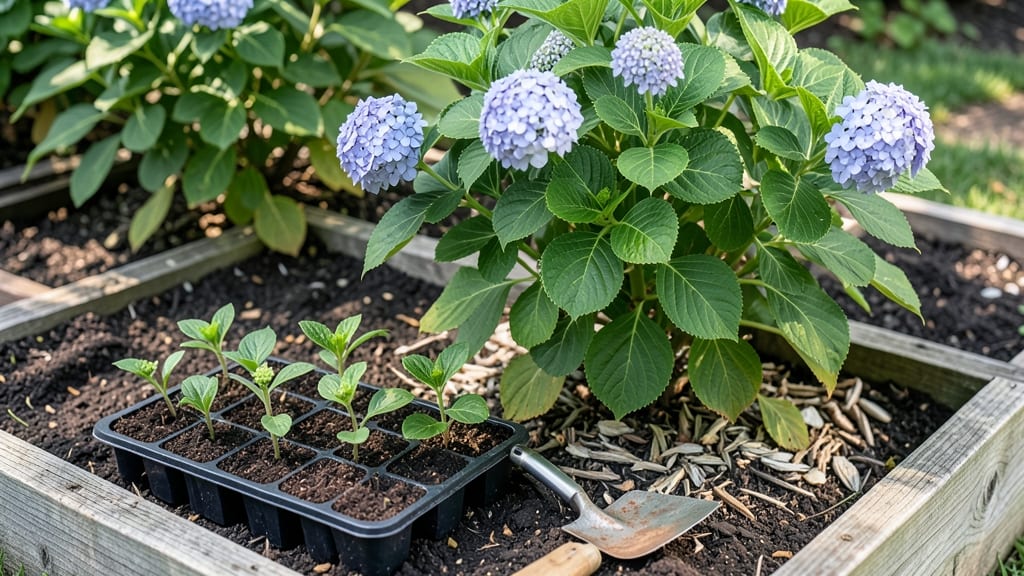
Planting hydrangeas in Florida at the right time means the difference between vibrant blooms all season and struggling shrubs fighting the heat.
Florida’s warm climate and diverse microclimates can make timing tricky—get it wrong, and you’ll miss out on stunning 🌸 displays. Unlike northern states, frost isn’t the only factor; heat, humidity, and soil moisture play just as big a role in when to plant.
Most gardeners in zones 8a-11 get the best results by planting in fall or early spring, when temperatures are mild and rainfall is consistent. But regional differences mean what works in Tampa might fail in Tallahassee, and container planting has its own ideal window.
Below, I’ll break down the exact months to plant by region, soil prep secrets, and how to keep your hydrangeas thriving year-round—no guesswork included.
Florida hydrangea planting zones: when to plant by region
Florida’s hydrangeas thrive year-round, but timing matters for vibrant blooms. Unlike northern climates, Florida’s three distinct microclimates—North, Central, and South—dictate ideal planting windows. In North Florida (USDA Zones 8a-8b), cooler winters mean fall planting is ideal, while South Florida (Zones 10b-11) allows year-round planting with summer caution.
Let’s break down the best times for each region to maximize your hydrangea blooms.
Hydrangeas in Florida need consistent moisture and partial shade, but heat tolerance varies by zone. North Florida can handle fall planting until November 15, while Central Florida (Zones 9a-9b) extends this to December 1. South Florida gardeners can plant almost anytime, but spring (March-April) avoids summer’s brutal heat.
Each zone also requires soil prep adjustments—let’s dive into the details.
| Region | Best Planting Window | Frost Risk | Soil Prep Tip | Heat Tolerance |
|---|---|---|---|---|
| North Florida (Zones 8a-8b) | Fall: September 15 - November 15 Spring: February 1 - March 15 |
Possible light frost (28°F) | Amend with peat moss for acidity (pH 5.0-6.0) | Moderate; needs afternoon shade |
| Central Florida (Zones 9a-9b) | Fall: October 1 - December 1 Spring: March 1 - April 15 |
None (rare 32°F dips) | Add compost and sand for drainage | High; mulch heavily in summer |
| South Florida (Zones 10b-11) | Spring: March 15 - April 30 Fall: September 1 - October 15 |
None (tropical climate) | Use well-draining mix with pine bark | Very high; avoid midday sun |
For North Florida, focus on fall planting to establish roots before winter.
The last frost date (around February 15) signals it’s safe to plant in spring, but avoid late March when heat spikes. Central Florida offers a longer window—plant in early spring for summer blooms or late fall to avoid summer stress. South Florida gardeners should prioritize spring planting to escape the hottest months (June-August).
All Florida zones benefit from soil amendments before planting. North Florida’s acidic soils need peat moss or sulfur to reach the ideal pH 5.0-6.0. Central Florida should mix in compost and sand to prevent compaction, while South Florida requires well-draining mixes with pine bark to avoid root rot.
Test your soil’s pH and drainage before planting—this is critical for hydrangea health.
Container planting is an option for all Florida zones, but timing differs slightly. In North Florida, move containers indoors or to protected shade if temperatures drop below 40°F. Central and South Florida containers need extra watering during summer’s dry spells.
Choose large pots (15+ gallons) for mature hydrangeas to prevent root binding. Morning sun and afternoon shade work best for container-grown plants.
Pruning plays a role in planting timing. If you’re transplanting an established hydrangea, prune lightly at planting to reduce stress.
For new plants, wait until 6-8 weeks after planting to prune. North Florida gardeners should prune in late winter (February) to encourage spring blooms, while South Florida can prune year-round with minimal impact on blooms.
Heat stress is the biggest post-planting challenge in Florida. Central and South Florida hydrangeas need daily watering during summer’s 90°F+ days.
Use mulch (3-4 inches) to retain moisture and protect roots. Misting leaves on hot afternoons can prevent leaf scorch. North Florida plants face less heat stress but may need extra watering during droughty springs.
For maximum blooms, align planting with your region’s natural cycles. North Florida gardeners should aim for fall planting to establish roots before winter, while Central Florida can stretch planting into early December. South Florida
Signs your Florida hydrangeas are ready to plant (and red flags to avoid)
Planting hydrangeas in Florida requires careful timing to avoid stressing your plants during extreme heat or stormy seasons. The ideal planting window is when soil temperatures stay between 60°F and 75°F, typically in early spring (February-March) or fall (September-October).
This gives roots time to establish before summer’s intensity or winter’s occasional chill.
One key sign your hydrangeas are ready is when new growth appears on container-grown plants, signaling they’ve recovered from winter dormancy. Check for plump, green leaves rather than wilted or yellowing foliage—this means the plant is actively photosynthesizing and ready for transplanting.
⚠️ callout warning ⚠️
⚠️ Red Flags: When NOT to Plant
- 🌡️ Soil temps above 80°F – Roots burn in extreme heat (June-August)
- 🌧️ After summer storms – Waterlogged soil suffocates roots (wait 2-3 weeks)
- 🍂 Fall frost warnings – Northern Florida’s rare cold snaps (Zone 8a) can damage tender roots
Pro Tip: Use a soil thermometer ($10 at garden centers) to confirm ideal temps before planting.
For in-ground planting, dig a hole twice as wide as the root ball but only as deep as the container’s base. This prevents burying the stem, which can cause rot.
Amend the soil with peat moss or compost to improve drainage—Florida’s clay-heavy soils need this adjustment for hydrangeas to thrive.
Watch for root growth at the pot’s edges when checking container plants. If roots circle the pot, gently loosen them before planting to encourage outward growth. This prevents “pot-bound” shock, where roots struggle to adapt to open soil.
Timing also depends on your hydrangea variety. Oakleaf hydrangeas handle Florida’s heat better than Bigleaf types, which need afternoon shade. If planting in southern Florida (Zones 10-11), opt for heat-tolerant varieties like ‘Lacecap’ or ‘Endless Summer’ for year-round blooms.
After planting, mulch with 2-3 inches of organic mulch to retain moisture and regulate soil temperature. Avoid mulching too close to the stem to prevent rot. Water deeply once a week for the first month, then adjust based on rainfall—Florida’s humidity means less frequent watering once established.