
Plants
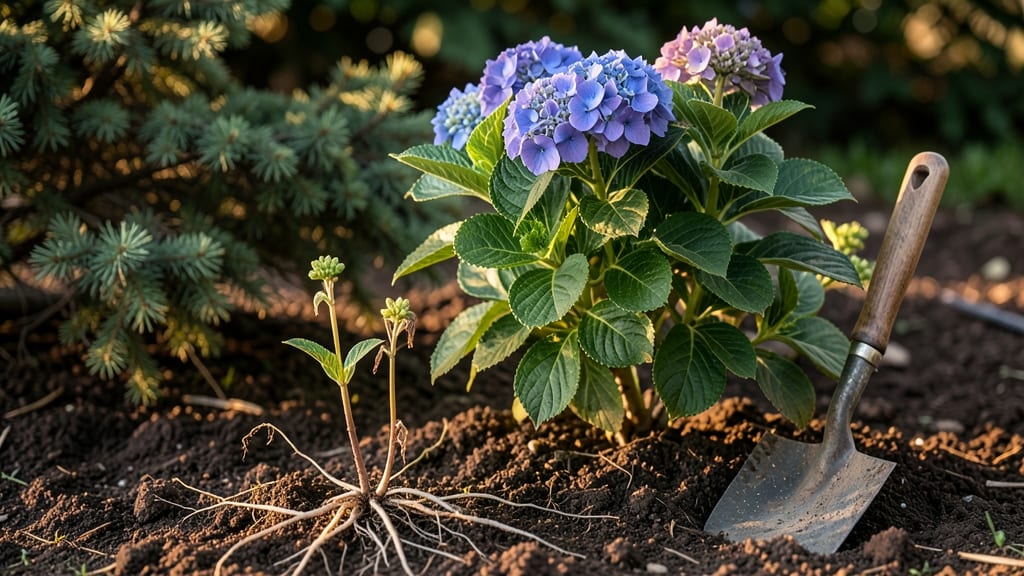
To plant hydrangeas in Michigan, aim for late April to early May after the last frost—though fall planting in September works too, especially for containerized varieties.
Michigan’s unpredictable spring weather can leave gardeners guessing about the perfect time to plant hydrangeas—but getting it wrong means waiting another year for those stunning blooms. Timing isn’t just about the calendar; it’s about understanding your microclimate zone and local frost patterns to ensure thriving plants.
In USDA Zones 5b-6b, soil temperatures and frost-free dates vary by region, with southern Michigan warming faster than the Upper Peninsula. Whether you’re planting bare-root or containerized hydrangeas, soil readiness is the key to survival.
Below, I break down the best months by zone, soil prep tips, and how to adjust for Michigan’s short growing season—so you can enjoy lush, blooming hydrangeas 🌸 without the guesswork.
Michigan hydrangea planting timeline by Zone: southern vs northern regions
Michigan’s hydrangea planting success hinges on understanding your USDA Zone and local frost patterns. While most gardeners focus on spring planting, fall offers a second chance for established roots.
Southern Michigan’s Zone 6 enjoys longer growing seasons, while northern Zone 4 demands earlier starts to beat frost. Let’s break down the ideal windows for each region.
For bigleaf hydrangeas (Hydrangea macrophylla), the sweet spot is mid-April to early May in southern regions, but northern gardeners should wait until late May when soil warms. Oakleaf hydrangeas (Hydrangea quercifolia) are more cold-hardy, allowing planting as early as April 1st in southern zones, while northern areas should aim for early May.
Fall planting is ideal for container-grown hydrangeas, giving roots time to establish before winter. Southern Michigan can plant until mid-October, while northern zones should finish by early October. The key is ensuring 6-8 weeks of root growth before frost hits.
Urban gardeners face heat island effects, which can push planting dates 1-2 weeks earlier than rural areas. Meanwhile, lake-effect zones near the Great Lakes may experience delayed springs, requiring gardeners to monitor soil temperatures closely.
Soil temperature is your best guide: aim for 55°F (13°C) minimum. Use a soil thermometer to avoid planting too early in cold springs. For panicle hydrangeas (Hydrangea paniculata), which thrive in full sun, northern zones can plant 2 weeks earlier than shade-loving bigleaf varieties.
| Region/Zone | Spring Planting Window | Fall Planting Window | Key Considerations |
|---|---|---|---|
| Southern MI (Zone 6) | Mid-April to early May | Until mid-October | Longer growing season; watch for late frosts |
| Northern MI (Zone 4) | Late May to early June | Until early October | Shorter season; prioritize cold-hardy varieties |
| Urban Areas | 1-2 weeks earlier | 1-2 weeks later | Heat island effect extends season |
| Lake-Effect Zones | Wait for soil warmth | Adjust for delayed springs | Monitor local frost predictions |
| Bigleaf Hydrangeas | Mid-April (South) to late May (North) | Until hardiness zone limits | Needs protected planting in Zone 4 |
| Panicle Hydrangeas | 2 weeks earlier than bigleaf | Full season flexibility | Tolerates full sun better |
When planting bare-root hydrangeas, soak roots for 2-4 hours before transplanting to reduce shock. For container-grown plants, remove the pot and check roots—if circling, trim gently to encourage outward growth. Both methods benefit from a 2-inch layer of mulch to retain moisture and regulate soil temperature.
Northern Michigan gardeners should prioritize cold-hardy varieties like 'Annabelle' (panicle) or 'Limelight' (smooth), which tolerate -30°F (-34°C). Southern regions can experiment with bigleaf varieties like 'Endless Summer,' but protect them with winter mulch in Zone 5 transitional areas.
After planting, water deeply to settle soil and eliminate air pockets. Drip irrigation is ideal for consistent moisture, especially during Michigan’s hot, dry summers. Avoid overhead watering to prevent fungal diseases like powdery mildew, which thrives in Michigan’s humid conditions.
For container gardeners extending the season, use heat-resistant pots and move plants to shaded areas during peak summer heat. This tactic buys 2-3 extra weeks of growing time in both northern and southern zones, perfect for late-season blooms.
Remember: Michigan’s first frost typically arrives in mid-October, but lake-effect regions may
How to adjust planting dates for Michigan’s unpredictable weather patterns
Michigan’s spring weather can swing from unseasonably warm to late frosts in a single week, making hydrangea planting tricky. The key is flexibility—using science-backed tools to outsmart Mother Nature. I’ve planted hydrangeas in USDA Zones 5b-6b for years, and these strategies have saved my blooms from frost damage every time.
First, check your local frost dates using the National Weather Service or Michigan State University Extension tools. These provide historical averages for your specific area, which helps you set a baseline.
For example, Detroit’s last frost is typically April 15th, but Traverse City can see frost as late as May 10th. Adjust your planting window accordingly.
🌱
🌱 3-Step Risk Assessment for Planting Hydrangeas
-
Step 1: Soil Temperature Check
Use a soil thermometer—hydrangeas thrive when soil is at least 60°F. In Michigan, this usually means waiting until late April to early May in most regions. Cold soil stunts root growth, so don’t rush! -
Step 2: Frost Prediction Tools
Sign up for local frost alerts (e.g., Frost Advisory apps) and monitor 7-day forecasts. If a 32°F or lower warning appears, delay planting by 1-2 weeks or use row covers for young plants. -
Step 3: Container Planting Extension
For late-season starts, pot hydrangeas in 5-gallon containers and keep them in a protected spot (e.g., against a south-facing wall). Move to the ground after the last frost date—this buys you 2-4 extra weeks of flexibility.
✂️ Pro Tip: Test hardiness by placing a bare-root hydrangea in a garage or cold frame for 2 weeks before transplanting. If it shows no wilting or browning, it’s ready for the ground!
If you’re planting in fall (September-October), focus on root establishment before winter. Choose a cloudy day to reduce transplant shock, and water deeply once a week until the ground freezes.
Mulch with 3-4 inches of shredded bark to insulate roots—this is especially critical in Zone 5b, where winters are harsher.
For gardeners in Zone 6b, you can push the envelope slightly. I’ve successfully planted panicle hydrangeas as late as May 15th in southern Michigan by using black plastic mulch to warm the soil faster. Just monitor the weather closely—if nighttime temps dip below 50°F, delay planting.
Finally, don’t forget about microclimates. Urban areas like Ann Arbor may warm up faster than rural spots, while lake-effect zones (e.g., near Lake Michigan) can experience delayed springs.
Observe your garden’s unique conditions for at least 3 years to refine your planting schedule. Over time, you’ll develop an intuition that beats any calendar!
🌿