
Plants
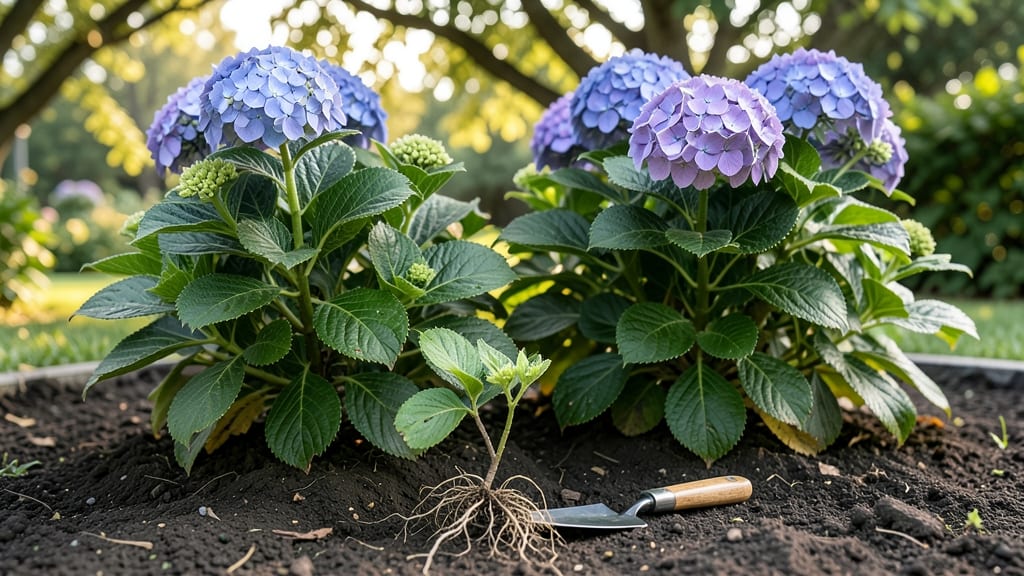
Planting hydrangeas in New York after the last frost—typically mid-April—sets them up for stunning blooms 🌸 and strong roots before winter.
If you’ve ever planted too early and watched frost nip tender leaves or waited too long and missed the ideal window, you know timing is everything. One wrong move can mean smaller blooms or even lost plants, but with the right schedule, your hydrangeas will thrive.
New York’s zones 5-7 mean your planting window varies slightly depending on where you live, but the core rule is simple: wait until the soil is workable and the danger of frost has passed.
That’s usually early May for most of the state, though urban areas may warm up a week sooner.
Below, I’ll break down the exact frost-free dates by zone, how to prep your soil for maximum growth, and the one trick that guarantees bigger blooms—no guesswork required.
NY planting zones & frost-free dates for hydrangeas
New York's diverse USDA hardiness zones 4-7 create unique challenges for hydrangea lovers. Whether you're in upstate Rochester (Zone 6) or Long Island (Zone 7), planting at the wrong time can mean frost-nipped buds or slow establishment.
Let's break down the frost-free dates and ideal planting windows for each hydrangea type to ensure your shrubs thrive from Albany to Buffalo.
Most hydrangeas—especially bigleaf and mophead varieties—need to be planted after the last spring frost but before summer heat stress sets in.
In NY, this typically means mid-April to early June, though urban areas like New York City (Zone 7b) often warm up faster than rural Adirondack regions (Zone 4b). For panicle and oakleaf hydrangeas, which are more cold-hardy, you can extend planting into early fall (September).
Here’s how your NY planting zone affects your hydrangea schedule:
For bigleaf hydrangeas, which are less cold-hardy, avoid planting in Zone 4 until after May 15. These varieties—like 'Nikko Blue'—need time to establish roots before winter.
In contrast, panicle hydrangeas (e.g., 'Limelight') can handle Zone 4 winters and often bloom on new wood, making them more forgiving if planted slightly late.
Urban gardeners in NYC or Buffalo often experience microclimates that warm up faster than rural areas. If you're in a concrete-heavy neighborhood, you might plant 2–3 weeks earlier than the average frost date.
Conversely, Adirondack or Catskill regions may need to wait until June 1 to avoid late frosts. Always check your local Cornell Cooperative Extension updates for real-time adjustments.
Pro tip: Use mulch (3–4 inches) after planting to regulate soil temperature. In Zone 5–6, this helps protect roots during fall temperature swings, while in Zone 7, it retains moisture during summer droughts.
For container-grown hydrangeas, move pots to sheltered spots if nighttime temps drop below 30°F.
If you're unsure about your exact last frost date, err on the side of caution. Planting bigleaf hydrangeas too early in Zone 4 risks root rot from cold, wet soil, while late planting in Zone 7 can stress plants before winter.
Aim for 60°F soil temperatures—use a soil thermometer if possible—to confirm readiness.
Remember, hydrangeas planted in fall (September) have time to establish roots before winter dormancy. This is especially useful for panicle varieties, which thrive with a head start in Zone 5–6.
Just ensure they’re watered deeply before the ground freezes. For mophead hydrangeas, stick to spring planting to avoid bud blast from late frosts.
🌸
How to time hydrangea planting for biggest blooms (NY-specific tips)
New York’s variable climate means planting hydrangeas at the wrong time can leave your shrubs struggling. For big, vibrant blooms, aim for late spring or early fall when soil is workable but not scorching.
I’ve planted hydrangeas in Upstate NY and Long Island, and timing makes all the difference for winter hardiness.
Container-grown hydrangeas need extra care—their roots dry out faster, so they often require earlier planting than in-ground varieties. Meanwhile, bare-root hydrangeas can handle fall planting better, giving roots time to establish before winter. Let’s break down the exact steps for NY’s frost-prone zones.
🌱 NY Hydrangea Planting Timeline
- 1 Plant bare-root hydrangeas in late April to early May (after last frost, usually April 15 in most of NY).
- 2 For container-grown hydrangeas, plant in May to early June to avoid transplant shock from heat.
- 3 Fall planting works for bare-root hydrangeas only—aim for mid-September to allow roots to establish before first frost (Oct 15).
- 4 Avoid planting after July—new growth won’t harden off before winter, leading to frost damage.
Before planting, amend NY’s heavy clay soil with compost or peat moss to improve drainage. Hydrangeas thrive in acidic soil (pH 5.2–6.0), so test your soil and adjust with sulfur or aluminum sulfate if needed.
I always add a 2-inch layer of mulch after planting to retain moisture and regulate soil temperature.
For container planting, choose pots with drainage holes and use a well-draining potting mix. Water thoroughly after planting, then keep soil consistently moist (not soggy) for the first 30 days. Container hydrangeas need more frequent watering than in-ground plants, especially in NY’s hot summers.
After planting, apply a balanced fertilizer (10-10-10) lightly in early spring to encourage new growth. Avoid fertilizing in late summer, as it can stimulate tender growth that won’t survive NY’s early frosts.
Prune spent blooms in late winter or early spring to shape the plant and promote next year’s flowers.
With the right timing and care, your hydrangeas will reward you with show-stopping blooms from summer to fall. Whether you’re planting in Upstate’s cooler zones or Long Island’s humid climate, these tips ensure your hydrangeas thrive year after year. 🌸