
Plants
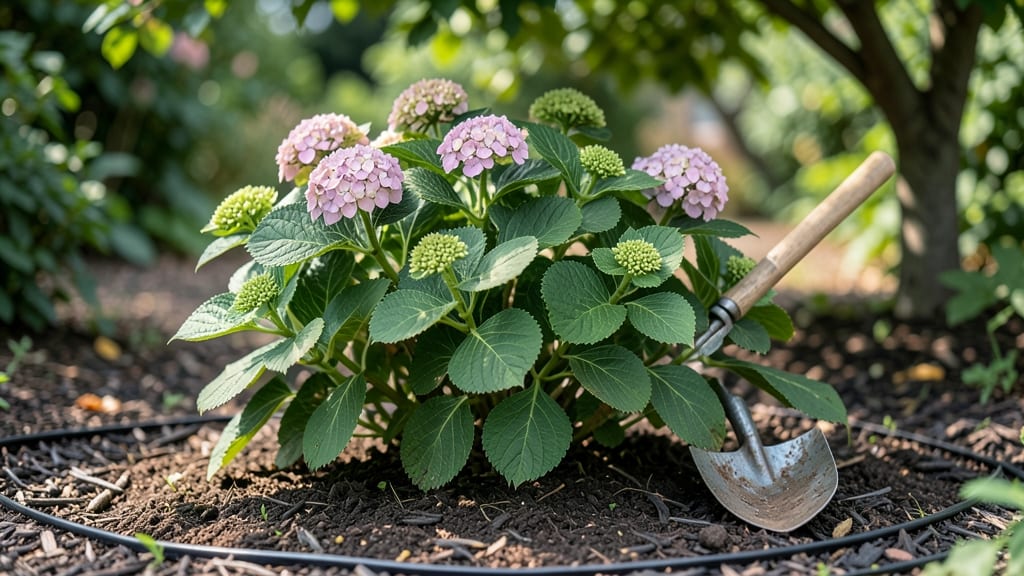
Planting hydrangeas in Missouri at the right time ensures they thrive in your 5b-6b zone and bloom beautifully year after year.
Missouri gardeners know timing is everything—plant hydrangeas too early, and frost will kill them; too late, and they won’t bloom to their full potential. Mastering the perfect planting window in USDA Zones 5-6 ensures vibrant blooms year after year.
Whether you’re planting in spring or fall, soil temperature and last-frost dates are the key. In Missouri, that means aiming for April-May or September-October to give your hydrangeas the best start.
Below, I’ll walk you through the best months for your region, soil prep tips, and how to protect your plants from Missouri’s unpredictable weather. Let’s get those 🌸 hydrangeas growing strong!
Best hydrangea planting months in Missouri’s USDA Zones 5-6
Missouri’s USDA Zones 5-6 offer two perfect windows for planting hydrangeas: spring and fall. Timing directly impacts root establishment and bloom potential, so understanding your region’s last frost date is critical.
In St. Louis, the average last frost falls around April 15, while Kansas City sees it slightly earlier, near April 10. Columbia’s last frost typically arrives around April 20.
Spring planting gives hydrangeas a full growing season to establish roots before winter, but you must wait until soil temperatures consistently stay above 50°F (10°C). Fall planting, however, allows roots to grow without competing with summer heat and drought stress.
The ideal fall window in Missouri is between September and October, giving roots time to harden before winter.
Missouri’s climate varies significantly between regions, so always check your local last frost date and soil temperature trends. For example, Kansas City’s cooler nights may require earlier planting than St. Louis’s slightly warmer microclimates. Using a soil thermometer ensures you plant when roots can thrive without frost damage.
Here’s a quick reference for Missouri’s key hydrangea planting periods:
For spring planting, aim to get hydrangeas in the ground by May 1 to ensure roots establish before summer heat sets in. In Missouri’s humid summers, hydrangeas need consistent moisture, so planting too late may stress them.
If you miss spring, fall planting is your next best option—just ensure roots have time to settle before winter dormancy.
Missouri’s USDA Zone 6b areas (like parts of St. Louis) can handle slightly later spring plantings than Zone 5b regions (e.g., northern Missouri). Always adjust for your specific microclimate. For example, a north-facing yard may stay cooler longer, allowing earlier planting than a south-facing slope.
Another key factor is soil preparation. Hydrangeas thrive in slightly acidic soil (pH 5.5–6.2) for blue blooms or neutral soil (pH 6.5–7.0) for pink flowers. Test your soil in early spring or fall to amend it before planting.
Missouri’s clay-heavy soils often need organic matter like compost or peat moss to improve drainage.
If you’re planting in containers, the timing rules are similar, but container-grown hydrangeas dry out faster in Missouri’s summer heat. Choose a large container (at least 15 gallons) and water deeply every 2–3 days during peak summer months.
Container plants can also be moved to shaded areas during heatwaves to prevent stress.
Pro tip: Mark your calendar for St. Louis’s average first frost (October 15) and Kansas City’s (October 10) to plan fall plantings. Hydrangeas planted in late September or early October will have time to establish roots before winter, giving them a head start in spring.
Always mulch newly planted hydrangeas with 2–3 inches of organic mulch to retain moisture and regulate soil temperature.
Remember, hydrangeas are perennials, so proper planting now means years of stunning blooms with minimal care. Whether you choose spring or fall, Missouri’s climate rewards patient gardeners with vibrant, long-lasting flowers that brighten gardens from summer through fall.
How to prepare hydrangeas for Missouri’s climate before planting
Missouri’s USDA Zones 5-6 bring dramatic temperature swings that can stress hydrangeas if you don’t prepare properly. The key to success lies in hardening off nursery plants, adjusting soil pH for vibrant blooms, and protecting roots from both summer heat and winter chill.
I’ve learned these techniques firsthand after years of trial and error in my own St. Louis garden.
Start by selecting hydrangeas from reputable nurseries that provide healthy, well-rooted plants. Look for firm stems and green leaves—avoid any with yellowing or wilted foliage. Once you’ve chosen your plants, the next critical step is hardening off, which prepares them for Missouri’s unpredictable weather transitions.
Planting hydrangeas before your average last frost date (typically mid-April in most regions) risks frost damage. Use the Missouri Botanical Garden’s frost calendar to confirm your local window. Fall planting should occur 4-6 weeks before first frost (usually late September) to allow roots to establish before winter.
For hardening off, move potted hydrangeas to a shaded outdoor location (like a porch or garage) for 3-5 days before planting. Gradually increase their exposure to sun and wind over 7-10 days.
This mimics Missouri’s spring conditions and prevents shock. I recommend starting with 2 hours of morning sun and slowly building to 4-6 hours by planting day.
Missouri’s clay-heavy soils often need amendments to create the ideal environment for hydrangeas. Test your soil’s pH level—hydrangeas thrive in acidic soil (pH 5.2-6.0) for blue blooms or neutral soil (pH 6.0-7.0) for pink flowers.
Amend with peat moss or sulfur to lower pH, or lime to raise it. Mix in 2-3 inches of compost to improve drainage and fertility.
Once planted, mulching is essential to protect roots from Missouri’s extreme temperature fluctuations. Apply 3-4 inches of organic mulch (like shredded bark or straw) around the base of the plant, keeping it 2-3 inches away from the stem.
This helps regulate soil temperature, retains moisture during summer droughts, and insulates roots during winter freezes. Replenish mulch annually in early spring.
Finally, water deeply after planting to settle the soil and encourage root growth. In Missouri’s hot, dry summers, hydrangeas need 1-1.5 inches of water weekly. Use a soaker hose to deliver water directly to the roots and avoid wetting the foliage, which can promote fungal diseases.
With these preparations, your hydrangeas will thrive despite Missouri’s challenging climate! 🌸