
Size
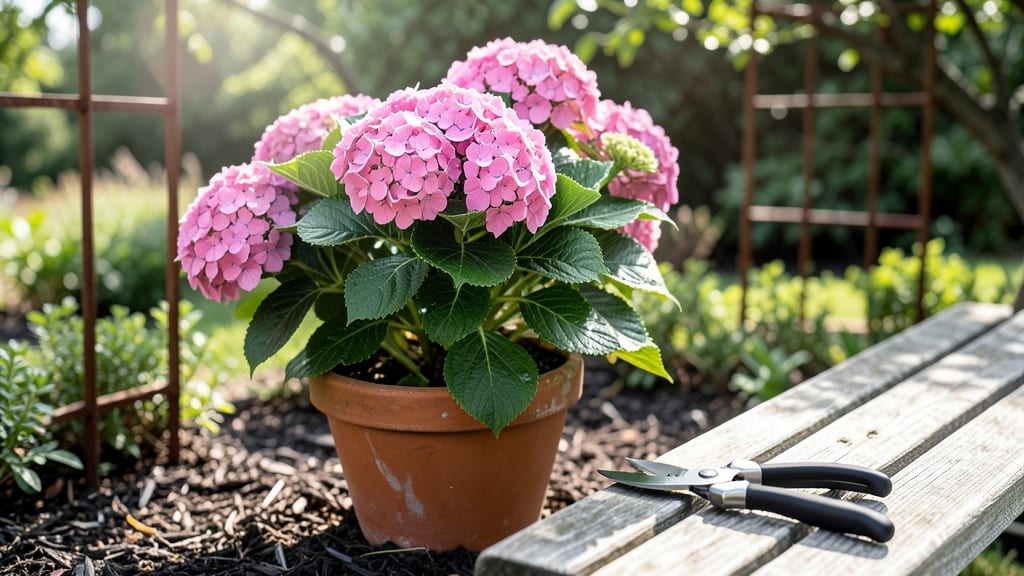
Yes, you can keep hydrangeas small through precise pruning—cut back old wood in late winter or early spring for mophead and bigleaf types, while lacecap varieties need light trimming after blooming. Shaping and selective cuts maintain compact size without reducing flower production.
Hydrangeas naturally grow large, but their growth habits make them surprisingly manageable with the right timing. 🌿 The key lies in understanding each variety's blooming cycle: mophead and bigleaf types produce flowers on new wood, so aggressive winter pruning encourages smaller, bushier growth, while lacecaps bloom on old wood and need minimal cuts.
I've found that combining pruning with regular shaping—like pinching back leggy stems—creates a fuller, more controlled shape without stunting blooms.
For best results, use clean, sharp bypass pruners and always cut just above a leaf node or outward-facing bud. After pruning, focus on consistent watering and a balanced fertilizer to support new growth.
The goal is to shape rather than shear—think of it as sculpting rather than hacking, which keeps the plant healthy while maintaining your desired size.
💡 In This Article
- When and How to Prune Hydrangeas for Compact Growth
- Best Pruning Tools and Maintenance Tips for Small Hydrangeas
When and how to prune hydrangeas for compact growth
Hydrangeas grow by producing flowers on either old wood (last year's growth) or new wood (current season's stems), and this determines your pruning window.
Mophead and bigleaf varieties bloom on new wood, so you can cut back up to one-third of the plant in late winter or early spring (just as buds swell) to encourage dense, compact growth.
Lacecap hydrangeas, however, bloom on old wood—pruning them too aggressively removes next year's flowers, so only trim spent blooms after flowering to maintain shape.
The 4-6 week period between pruning and bud break is critical. For mophead types, pruning in February-March (before buds swell) gives stems 6-8 weeks to develop new growth before summer heat arrives. This timing prevents leggy growth while ensuring flowers appear on compact stems.
Oakleaf hydrangeas also bloom on new wood, but their buds form later—prune them in late winter to early spring but avoid cutting into last year's stems, which can reduce next year's bloom production.
Pruning technique matters just as much as timing. Always use clean cuts at a 45-degree angle, about 1/4 inch above a leaf node or outward-facing bud. This encourages growth in the direction you want.
For shaping, focus on removing crossing or inward-growing branches first, then selectively trim longer stems to maintain a rounded form. Avoid shearing, which creates dense foliage but weak stems that can't support heavy blooms.
What most gardeners miss is how light affects growth. Hydrangeas grown in full sun naturally produce shorter internodes (the space between leaves) than those in shade, resulting in a more compact plant.
Combine pruning with 6-8 hours of morning sun and partial afternoon shade for the best results. In shady spots, prune slightly less aggressively to prevent leggy growth.
Consider these key factors when choosing your approach:
- Mophead/Bigleaf: Prune hard in late winter (cut to 12-18 inches from ground) for compact growth
- Lacecap: Prune lightly after blooming (remove only dead flowers and leggy stems)
- Oakleaf: Prune lightly in late winter (remove 10-20% of oldest stems)
The reward for precise pruning is a hydrangea that stays 3-5 feet tall (instead of 6-8 feet) while producing larger, more abundant blooms on a tighter framework. This works because you're directing the plant's energy into fewer, stronger stems rather than letting it spread outward.