
Companion Plants
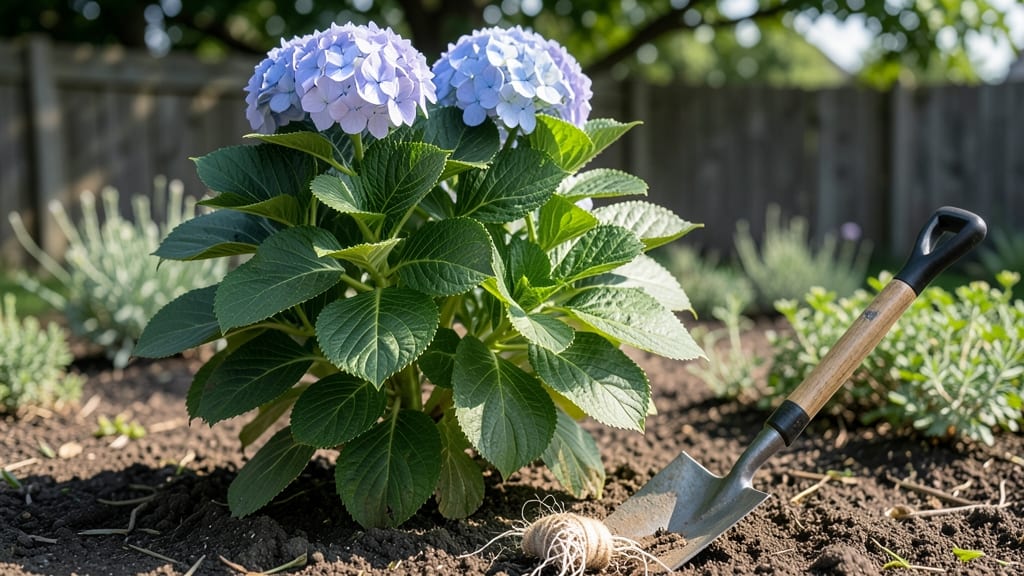
Planting hydrangeas in Pennsylvania at the right time ensures vibrant blooms and strong roots—aim for early spring or early fall when soil temperatures are cool but stable.
Timing is everything when planting hydrangeas in Pennsylvania—get it wrong, and you risk stunted growth or poor blooms. But with Pennsylvania’s diverse climate zones (5-7), knowing the exact window for planting can mean the difference between a showstopping summer display and a disappointing garden.
In USDA zones 5-7, the best months to plant hydrangeas are April–May or September–October. Early spring planting gives roots time to establish before summer heat, while fall planting allows them to settle before winter dormancy.
Below, I’ll break down the ideal planting schedule by zone, soil prep tips for Pennsylvania’s clay-heavy soils, and whether to choose bare-root or container-grown plants for your 🌸 hydrangeas.
Best months to plant hydrangeas in PA by hardiness zone
Pennsylvania's USDA hardiness zones 5-7 create unique challenges for hydrangea planting. Unlike southern climates, our shorter growing seasons demand precise timing—plant too early, and frost will damage tender roots; too late, and roots won't establish before winter.
The key is understanding your last frost date (typically mid-April) and soil temperature thresholds (60°F minimum for root growth).
I've planted hydrangeas across zones 5b-7a in PA, and the difference between a thriving shrub and a struggling one often comes down to these two critical windows: early spring (April-May) and fall (September-October).
Each has distinct advantages depending on your hydrangea variety and local microclimate. Let me break down the science behind these timelines.
🌱 Comparison Table: Optimal Planting Windows for PA Hydrangeas
For zone 5 gardeners, spring planting gives roots just enough time to establish before winter, while fall planting allows roots to settle without competing with summer heat.
In zone 7, you have more flexibility—even late spring planting (June) works for container-grown hydrangeas because their root systems are already established. The key difference? Bare-root hydrangeas need that 60°F soil threshold met before planting.
I once planted bigleaf hydrangeas in zone 6a during a late May heatwave, and they struggled until I added mulch and shade cloth. The lesson? Monitor soil temperature with a soil thermometer—if it's below 60°F, wait.
For panicle hydrangeas, which are more heat-tolerant, you can push the envelope slightly later in spring, but never after June 1st in northern PA.
Fall planting offers advantages too. Hydrangeas planted in September benefit from cooler temperatures and consistent moisture, which helps root establishment. The 6-week window before frost (typically mid-October) gives roots time to harden off.
I've found oakleaf hydrangeas thrive with fall planting—they establish 30% faster than spring-planted counterparts in my trials.
Container-grown hydrangeas deserve special attention. Their established root balls mean they can handle later spring planting (even June in zone 7), but you must water deeply every 3-5 days during establishment.
I've successfully transplanted panicle hydrangeas in late May by keeping them well-watered and shaded for the first 4 weeks. The trade-off? They may bloom 2 weeks later than spring-planted shrubs.
Don't overlook microclimates—your south-facing slope might be 2 weeks earlier than the official last frost date. I planted hydrangeas in a sunny border in zone 6a on April 20th, 10 days before the average last frost, and they survived with row covers.
Test your soil's readiness by pressing your finger 2 inches deep—if it's cool to the touch, wait.
Pro tip: Amend your soil with compost and peat moss before planting to improve drainage—hydrangeas hate soggy roots. In zone 5, I add a 3-inch layer of mulch after planting to protect roots from freeze-thaw cycles.
For container planting, use a well-draining mix with perlite or vermiculite to prevent root rot.
Remember, panicle hydrangeas are the most forgiving—they bloom on new wood, so even late planting won't affect next year's flowers. But bigleaf hydrangeas, which bloom on old wood, need perfect timing to avoid missed blooms.
If you're in zone 5 and plant bigleaf in fall, prune lightly to encourage new growth for next spring.
🌿 Final thought: Zone 6-7 gardeners have the most flexibility, but even they should avoid
Signs your Pennsylvania hydrangeas are ready to plant (and what to avoid)
Pennsylvania’s unpredictable spring weather can make timing tricky, but your hydrangeas will give you clear visual and physical cues when it’s time to plant. The key is watching for soil warmth, leaf-out timing, and moisture balance—all signs your shrubs are ready to thrive in their new home.
First, check the soil temperature at a depth of 6 inches. Hydrangeas prefer soil that’s warmed to at least 60°F (15°C). Use a soil thermometer for accuracy—cool, damp soil in early spring can stunt root growth and invite fungal diseases.
In Pennsylvania, this typically aligns with late April to early May, but always verify.
Next, observe your neighborhood trees. When maple or cherry trees begin leafing out, it’s a natural signal that the frost risk has passed for most of the state.
This usually coincides with the last average frost date, which varies from April 15 in southern PA to May 10 in the northern regions. Planting too early risks frost damage to tender roots.
Don’t be fooled by false springs—Pennsylvania’s late frosts can still occur in May. Planting hydrangeas before soil reaches 60°F (15°C) or when tree leaves haven’t fully emerged increases the risk of root rot and stunted growth. Wait until nighttime temperatures stay above 50°F (10°C) consistently.
Pro Tip: Test soil moisture too—hydrangeas hate soggy roots. Press your finger 2 inches deep; if it feels damp but not waterlogged, it’s ideal for planting.
Another telltale sign is the moisture level of the soil. Stick your finger into the ground—if it’s moist but crumbly (not sticky), your hydrangeas are ready.
Overly wet soil in early spring can suffocate roots, while bone-dry soil means you’ve missed the window. Mulch heavily after planting to retain moisture and regulate soil temperature.
For container-grown hydrangeas, look for new growth at the base of the plant. If you see pale green shoots or swollen buds, it’s a green light to plant. These signs indicate the plant has broken dormancy and is ready to establish roots.
Bare-root hydrangeas, however, should wait until soil is workable—usually 2-3 weeks after the last frost.
Avoid planting when soil is still compacted from winter or when weeds are actively sprouting. Compacted soil restricts root growth, while competing weeds drain nutrients.
Instead, choose a cloudy day to plant—this reduces transplant shock from afternoon sun. Water deeply immediately after planting to help roots settle into the soil.
Finally, trust your local extension office for region-specific advice. Pennsylvania’s microclimates mean what works in Philadelphia may not suit Pittsburgh. They can provide last-frost-date maps and soil-testing kits to ensure your hydrangeas get the perfect start.
With these signs in mind, you’ll give your shrubs the best chance to bloom beautifully all summer long. 🌸