
Plants
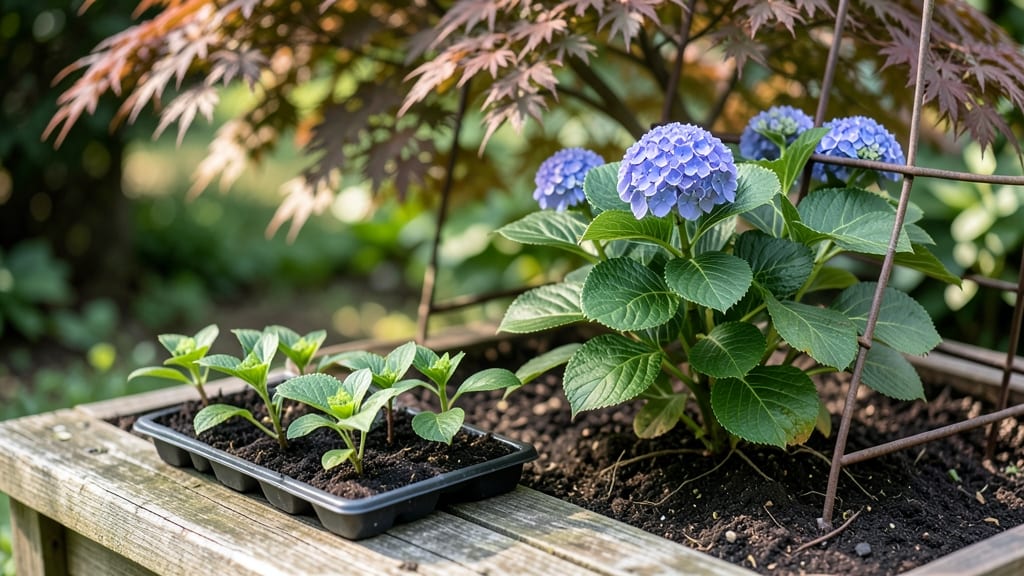
Plant hydrangeas in Texas during fall (October–November) or early spring (February–March) to give them the best shot at thriving blooms.
Texas gardeners know timing is everything—plant hydrangeas too early, and they’ll struggle with heat; too late, and they won’t establish roots before winter. But mastering the perfect window for planting these show-stopping shrubs can mean the difference between wilting disappointment and lush, blooming glory.
Your zone matters: North Texas (8a) gardeners should aim for late February to early March, while South Texas (10b) can plant as early as January or stretch into November. The key is avoiding extreme heat or frost, which can shock young roots.
Below, I’ll break down the exact months by zone, soil prep tips to beat Texas heat, and post-planting care secrets—so your 🌸 hydrangeas put on the best show of the season.
Texas hydrangea planting calendar: exact months by hardiness Zones (6-10)
Timing your hydrangea planting in Texas is all about avoiding the brutal summer heat and late-season frost. The ideal windows are fall (October-November) and early spring (February-March), but the exact months depend on your USDA hardiness zone and whether you're planting bare-root or container-grown shrubs.
Let's break it down by zone so you can plant with confidence.
For Zone 6 (North Texas), where frost can linger until March 15, your planting window is shorter. In contrast, Zone 10 (South Texas) offers more flexibility due to milder winters.
Container-grown hydrangeas adapt better to heat and can be planted 1-2 months later than bare-root varieties, giving you extra wiggle room.
Here’s your zone-by-zone planting calendar, including soil temperature tips and frost risk alerts to ensure your hydrangeas thrive:
| Zone | Best Planting Months (Bare-Root) | Best Planting Months (Container-Grown) | Soil Temp (°F) | Frost Risk |
|---|---|---|---|---|
| Zone 6 | October 15 - November 15 | November 1 - December 15 | 50-65°F | High (Nov-Mar) |
| Zone 7 | October 1 - November 30 | November 15 - January 15 | 55-70°F | Moderate (Nov-Feb) |
| Zone 8 | September 15 - November 15 | October 15 - January 31 | 60-75°F | Low (Dec-Feb) |
| Zone 9 | September 1 - November 1 | October 1 - February 15 | 65-80°F | Minimal (Dec-Jan) |
| Zone 10 | August 15 - October 31 | September 15 - January 15 | 70-85°F | None (rare frost) |
🌿 Pro Tip: Always check soil temperature with a thermometer—hydrangeas root best when soil is above 50°F.
If you're in Zone 6 or 7, prioritize fall planting (October-November) to give roots time to establish before winter. In Zones 8-10, you can stretch planting into early spring (February-March), but avoid planting after March 15 in Zone 8 or later—summer heat will stress young plants.
For container-grown hydrangeas, the extended window is a game-changer. These plants come with established root systems, so they handle Texas heat better and can be planted up to 2 months later than bare-root varieties. Just be sure to water deeply after planting and mulch heavily to retain moisture.
One critical mistake Texas gardeners make is planting hydrangeas in full sun, especially in Zones 9-10. While they tolerate morning sun, afternoon heat can scorch leaves. Aim for dappled shade or afternoon shade to protect your shrubs during peak heat (12 PM - 4 PM).
After planting, focus on consistent watering for the first 30-60 days. Hydrangeas need 1-1.5 gallons of water per week once established, but newly planted shrubs require deep watering every 3-5 days
How to prepare your Texas soil for hydrangeas before planting
Texas soil can be a double-edged sword for hydrangeas—it’s rich in nutrients but often heavily alkaline and clay-heavy, which can stunt growth or prevent those vibrant blue blooms you crave.
The key to success? Amending the soil before planting to create the perfect balance of drainage, acidity, and organic matter. Let’s break it down into simple, actionable steps tailored to our Lone Star State’s unique conditions.
First, test your soil’s pH level—hydrangeas thrive in acidic to slightly acidic soil (pH 5.2–6.0) for blue blooms or neutral to slightly alkaline (pH 6.0–7.0) for pink.
Texas soil is naturally alkaline (pH 7.5–8.5), so you’ll likely need to lower the pH with amendments like sulfur or peat moss. Grab a soil test kit from your local nursery or send a sample to the Texas A&M AgriLife Extension for precise results.
⚠️ callout warning ⚠️
Clay soil + high alkalinity = hydrangea nightmare. If you ignore these issues, your plants will struggle with root rot and nutrient lockout, leading to weak growth and poor blooms. Don’t skip soil prep—it’s the foundation of success!
To improve drainage in Texas clay soil, mix in compost or well-rotted manure (2–3 inches) and consider adding coarse sand or perlite to break up compacted areas. For acidity adjustments, work in pine bark fines or aluminum sulfate according to your soil test recommendations. Aim for a 1:1 ratio of native soil to amendments in the planting hole to avoid overwhelming your hydrangeas.
Hydrangeas love moist, well-draining soil, so avoid planting in low-lying areas where water pools. If your yard has poor drainage, create a raised bed or mound the soil to ensure excess water flows away.
Mulch with pine straw or shredded bark (2–3 inches) to retain moisture and slowly acidify the soil over time. Avoid cedar mulch—it’s too acidic and can harm your plants.
For container-grown hydrangeas, use a pre-mixed acidic potting soil (like Miracle-Gro Azalea, Camellia & Rhododendron Mix) and add hydrangea-specific granules to the water every 2–3 weeks.
If you’re planting bare-root hydrangeas, soak the roots in water mixed with a rooting hormone for 1–2 hours before placing them in the amended soil.
Finally, water deeply after planting to settle the soil and remove air pockets. Hydrangeas need consistent moisture, especially in Texas heat, so plan for 1–1.5 gallons of water per plant every 3–5 days until established.
With the right soil prep, your hydrangeas will reward you with bold blooms and lush foliage all season long. 🌸