
How To
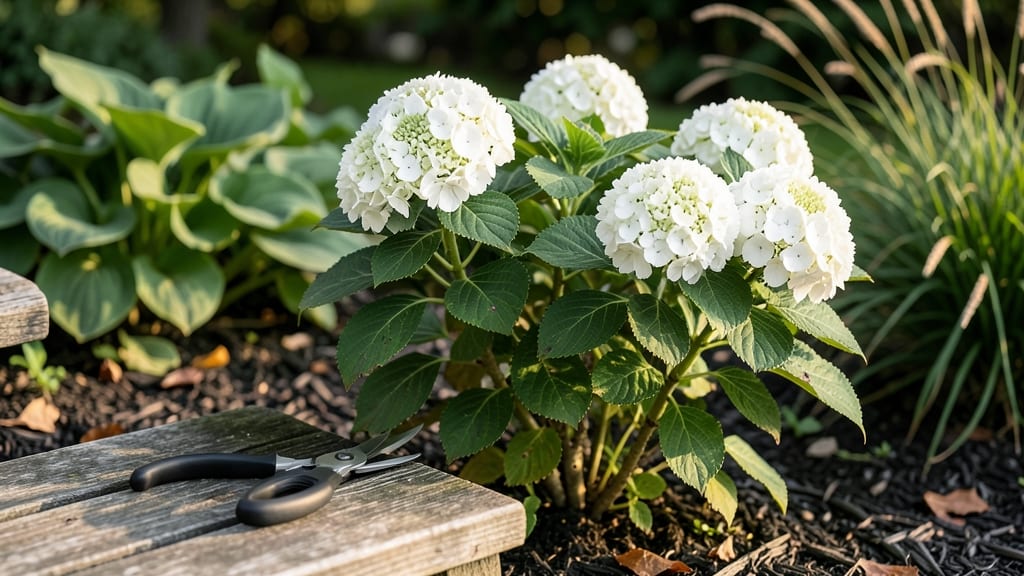
Trimming Bobo hydrangeas after they bloom in late summer or early fall is the secret to next year’s boldest, most vibrant blooms 🌸 — and skipping this step could leave you with sparse, underwhelming flowers.
If your Bobo hydrangeas are struggling to produce vibrant blooms year after year, the problem might be your pruning schedule—timing is everything for these compact, show-stopping shrubs.
Unlike some hydrangeas that bloom on old wood, Bobo hydrangeas are new wood bloomers, meaning they set next year’s buds on fresh growth after the current season’s flowers fade. Cutting them back too early or too late can stunt their growth and reduce flower production.
In this guide, I’ll walk you through the exact timing for trimming, how to avoid over-pruning, and what to watch for to keep your Bobo hydrangeas thriving for years to come.
Best time to trim Bobo hydrangeas for maximum blooms
If your Bobo hydrangeas are struggling to produce vibrant blooms year after year, the problem might be your pruning schedule—timing is everything for these compact, show-stopping shrubs.
Unlike other hydrangeas that bloom on old wood, Bobo hydrangeas are new wood bloomers, meaning they produce flowers on growth from the current season. This changes everything about when and how you should prune them.
Most gardeners mistakenly prune in late winter or early spring, but this is the worst time for Bobo hydrangeas. Cutting back too early removes potential blooms before they even form.
Instead, the best time to trim is late summer to early fall, after the flowers have faded but before the first frost. This timing ensures you don’t accidentally remove next year’s flower buds.
The key is to look for visual cues like faded flowers and seed heads. Once your Bobo hydrangeas have finished blooming and the flowers start to dry out, it’s time to grab your pruners.
Waiting too long risks cutting back into the dormant season, which can stress the plant.
| Timing | Action | Visual Cues | Result |
|---|---|---|---|
| Late Summer (August) | Remove dead/dying stems | Flowers fading, seed heads forming | Encourages new growth for next season |
| Early Fall (September) | Trim 1/3 of oldest stems | Leaves turning brown, no new blooms | Promotes compact shape and healthier blooms |
| Never in Spring | Avoid heavy pruning | New buds forming on stems | Risk of removing next year’s blooms |
| Winter (Dormant) | Light cleanup only | Bare stems, no leaves | Prevents winter damage to new growth |
Pruning at the wrong time can lead to fewer blooms or even no flowers at all. For example, cutting back in spring removes the flower buds that formed on last year’s growth, leaving your Bobo hydrangeas looking bare.
Similarly, pruning in winter can expose tender new growth to cold damage before it’s ready.
When you prune in late summer or early fall, you’re giving your Bobo hydrangeas a chance to develop next year’s blooms while still maintaining a neat, compact shape.
This is also the perfect time to shape the shrub and remove any dead or diseased wood that could harm the plant.
If you’re unsure whether your Bobo hydrangeas are new wood bloomers, check the stem color. New wood bloomers like Bobo have green stems where the flowers form, while old wood bloomers have brown or woody stems. Knowing this difference is key to avoiding pruning mistakes.
After pruning, make sure to water deeply and apply a light layer of mulch around the base. This helps the plant recover and prepares it for winter dormancy. With the right timing, your Bobo hydrangeas will reward you with vibrant, abundant blooms next season.
Remember, patience is key. Bobo hydrangeas are slow to establish, but once they’re happy with their pruning schedule, they’ll thrive for years. Start with light pruning in the first year to let the plant adjust, then gradually increase as it matures.
By following this late summer/early fall pruning routine, you’ll ensure your Bobo hydrangeas stay healthy, blooming, and beautiful for seasons to come. Happy pruning! ✂️🌸
Step-by-step guide to pruning Bobo hydrangeas without killing them
Pruning your Bobo hydrangeas might seem intimidating, but with the right tools and timing, you can shape them beautifully while keeping them healthy. These compact shrubs thrive when you remove dead stems and overcrowded growth—but cutting at the wrong time can stunt their blooms for years.
I’ll walk you through a foolproof method to trim without harming your plant, including how to fix mistakes if you accidentally cut too much.
First, gather your pruning essentials: clean, sharp bypass pruners, hand pruners for smaller stems, and gloves to protect your hands. Disinfect your tools with rubbing alcohol to prevent spreading disease.
The key is to work when your hydrangea is dormant or just finished blooming, which we’ll cover in the steps below. Never prune in late winter or early spring—this is when new buds form, and cutting too early can remove next year’s flowers.
Wait Until Late Summer or Early Fall
Prune your Bobo hydrangeas 4-6 weeks after flowering, typically in September or early October. Look for faded blooms and brown seed heads—these signal it’s time. Avoid pruning in spring or summer, as this removes next year’s flower buds.
Identify Dead or Damaged Stems
Scan your shrub for brown, crispy, or hollow stems. These won’t regrow and should be cut back to the base. Healthy stems are green or green-brown and firm to the touch. Remove these first—they’re the easiest and safest cuts.
Shape the Shrub Gently
Trim 1/3 of the oldest stems to encourage new growth. Cut just above a leaf node or outward-facing bud to maintain an open center. Avoid cutting into wood that’s thicker than a pencil—this can stress the plant.
Fix Over-Pruning Mistakes
If you accidentally cut too much (e.g., more than 1/3 of the stems), don’t panic. Your hydrangea will rebound with new growth if you fertilize lightly in spring and water deeply. Avoid heavy pruning next year to let it recover.
Clean Up and Mulch
Remove all pruned debris from the base to prevent disease. Add a 2-inch layer of mulch around the plant (but not touching the stem) to retain moisture and protect roots over winter.
After pruning, your Bobo hydrangea will focus energy on next year’s blooms instead of maintaining old growth. For best results, avoid pruning in winter—cold stress can weaken the plant.
If you’re unsure about a cut, err on the side of caution and leave the stem. Over time, you’ll develop an eye for what looks healthy vs. overgrown.
Pro tip: Take a before-and-after photo of your pruned shrub. Comparing the two will help you refine your technique each year. With patience, your Bobo hydrangea will reward you with bigger, brighter blooms for seasons to come! 🌸