
Diseases
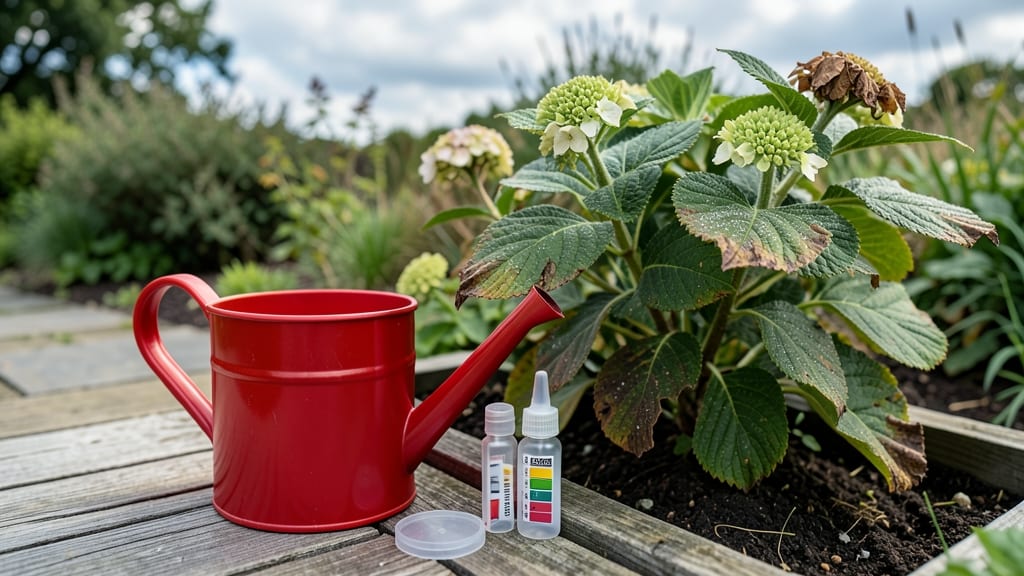
Your hydrangeas turning brown isn’t just a summer disappointment—it’s a clear signal your plants need help. 🌿 I’ve spent years diagnosing why these showstopping blooms go from lush to lifeless, and the culprits are often simpler (and fixable) than you think.
The biggest offenders? Overwatering that drowns roots, fungal infections hiding on leaf undersides, or soil pH so off-kilter it blocks nutrient uptake. My first brown-hydrangea mystery turned out to be three inches of standing water at the base—something I’d overlooked during a heatwave.
You’ll learn to spot the difference between dry, crispy edges (underwatering) and slimy stems (rot), plus how to adjust care in 3 simple steps that bring back those vibrant blooms in weeks. The fix isn’t always what you’d expect.
Start by checking the soil 2 inches down—it should feel like a damp sponge, not a mud puddle. If you see black spots or powdery residue, that’s your clue to prune affected leaves and treat with neem oil.
For pH issues, a simple soil test (or even a DIY vinegar/baking soda mix) reveals whether your hydrangeas need more acid to show off their true colors.
The payoff? Hydrangeas that bounce back with bold, healthy blooms by mid-summer, plus a troubleshooting method that works for other finicky plants too. No more guessing—just targeted fixes that actually work.
Whether it’s your first hydrangea season or your tenth, this system cuts through the confusion. Let’s get those blooms back to their showstopping best.
Root Causes Behind Brown Hydrangeas
Hydrangeas are the stars of summer gardens—until their leaves or blooms start turning an unappealing brown. While the sight can be frustrating, understanding the why behind the browning is the first step to saving your plants.
Below, we break down the most common culprits, backed by science, so you can diagnose and fix the issue before it’s too late.
Hydrangeas thrive in moderate temperatures, typically between 60°F and 75°F (15°C–24°C). When exposed to extreme heat (above 90°F/32°C) or sudden cold snaps (below 32°F/0°C), their cells can suffer from osmotic shock—a process where water balance inside plant tissues is disrupted, leading to browning.
- Heat Stress: High temperatures cause transpiration (water loss) to outpace absorption, drying out leaves and flowers. Look for crispy, papery edges on leaves or blooms that turn brown from the outside in.
- Cold Damage: Frost or freezing temps can rupture cell membranes, causing discoloration. Brown spots or patches often appear after a cold snap, not during.
- Sunburn: If your hydrangeas are suddenly moved to a full-sun location without acclimation, their leaves can develop necrotic brown patches (dead tissue) from excessive UV exposure.
💡 Pro Tip: If heat is the issue, provide afternoon shade with a lightweight shade cloth (30–50%). For cold damage, mulch heavily with straw or wood chips to insulate roots and gradually harden off plants before winter.
Hydrangeas are not drought-tolerant, but they hate soggy roots. Overwatering or compacted, poorly draining soil leads to root rot, caused by fungi like Phytophthora or Pythium. When roots suffocate, they can’t absorb nutrients or water efficiently, causing leaves and blooms to turn brown and wilt.
- Symptoms of Overwatering:
- Yellowing leaves that eventually turn brown.
- Mushy, blackened stems at the base.
- Blooms that droop and brown prematurely.
- Poor Drainage Signs:
- Water pooling around the base for more than 24 hours.
- Soil that feels slimy or smells sour.
🔥 Fix It: Improve drainage by amending soil with perlite, sand, or compost (aim for a 50/50 mix of soil and organic matter). Water only when the top 1–2 inches of soil are dry, and ensure pots have drainage holes.
While overwatering is a common issue, chronic underwatering can also cause browning. Hydrangeas have semi-woody stems that store water, but severe drought forces them into survival mode, leading to:
- Leaf Scorch: Edges of leaves turn brown and crispy due to plasmolysis—when plant cells lose too much water and shrink away from their cell walls.
- Bud Drop: Flowers may brown and fall off before opening if the plant prioritizes root survival over blooming.
- Wilting: Leaves may droop first, then brown if the plant is severely dehydrated.
💡 Pro Tip: Hydrangeas need 1–1.5 inches of water per week (including rainfall). Use mulch (2–3 inches) to retain moisture and water deeply early in the morning to reduce evaporation.
Hydrangeas are pH-sensitive, and their browning can be a sign that the soil is either too acidic or too alkaline. Here’s how pH affects them:
| pH Level | Effect on Hydrangeas | Symptoms |
|---|---|---|
| Below 5.0 (Too Acidic) | Locks out calcium and magnesium, causing nutrient deficiencies. | Brown, crinkled leaves with yellow spots (iron chlorosis). |
| Above 7.0 (Too Alkaline) | Reduces iron and manganese availability, leading to oxidative stress. | Yellowing between veins (interveinal chlorosis) that progresses to brown, dead patches. |
🔧 Fix It: Test your soil’s pH with a home test kit (ideal range: 5.2–6.0 for most hydrangeas). Adjust with:
- To raise pH (make less acidic): Sprinkle garden lime (calcium carbonate) in early spring.
- To lower pH (make more acidic): Add sulfur or peat moss and water with vinegar (1 tbsp per gallon) occasionally.
Brown hydrangeas can also signal an uninvited guest. Here are the top culprits:
- Spider Mites: These tiny pests suck sap from leaves, causing stippled browning (tiny brown dots) and webbing. Severe infestations lead to dry, crispy leaves.
- Scale Insects: These sap-sucking bugs appear as brown bumps on stems and leaves, weakening the plant and causing browning.
- Fungal Diseases (e.g., Leaf Spot): Fungi like Septoria cause dark brown spots with yellow halos on leaves, often in humid conditions.
- Bacterial Leaf Spot: Water-soaked brown spots with a yellow border (often from splashing water during rain).
🛡️ Treatment:
- Pests: Spray with neem oil or insecticidal soap. For severe infestations, use a horticultural oil.
- Fungal Diseases: Remove affected leaves and apply copper fungicide or <
Fix Your Hydrangeas Fast
Brown hydrangeas can feel like a gardening mystery, but the good news is that most causes have simple, actionable fixes. Below, we’ve mapped the most common reasons your blooms (or leaves) are turning brown—and how to reverse the damage, plus prevention tips to keep your hydrangeas lush and vibrant.
Signs: Yellowing leaves, soggy soil, brown edges on foliage, or stems that feel mushy when pressed.
How to Fix It: 🔥 Step 1: Check the Soil
- Stick your finger 2 inches deep into the soil. If it’s damp (not soggy) after a few days, you’re overwatering. Hydrangeas prefer moist but well-drained soil—think of a wrung-out sponge, not a swamp.
🍳 Step 2: Adjust Your Watering Routine - Water deeply but less often. Aim for 1–1.5 inches of water per week (including rain).
Use a soaker hose or drip irrigation to deliver water slowly at the base, avoiding wetting the leaves. - Morning is best—watering in the early hours reduces fungal risks and gives leaves time to dry.
👨🍳 Step 3: Improve Drainage - If your hydrangeas are in containers, add perlite or coarse sand to the potting mix (20% of the total volume). - For in-ground plants, amend the soil with compost or organic matter to loosen heavy clay.
A 2–3 inch layer of mulch (like pine bark) helps retain moisture without suffocating roots.
🥘 Step 4: Repot or Relocate (If Needed)
- If roots are rotting, trim away mushy sections with sterilized pruners, then repot in fresh, well-draining soil.
- For in-ground plants, consider raising the bed slightly or planting in a slightly elevated mound to prevent water pooling.
💡 Prevention Tip:
- Test your soil’s drainage by digging a small hole near the plant, filling it with water, and timing how long it takes to drain. If it’s slower than 4 hours, your soil needs help.
Signs: Brown, crispy leaf edges (especially on mophead or bigleaf hydrangeas), wilting in afternoon heat, or bleached patches.
How to Fix It: 🔥 Step 1: Provide Afternoon Shade
- Hydrangeas thrive in morning sun and afternoon shade. If your plant is in full sun, install a shade cloth (30–50%) or move it to a spot with dappled sunlight (like under a tree with sparse branches).
🍳 Step 2: Water Deeply During Heatwaves
- Double your watering during extreme heat (90°F+). Water early in the morning to reduce evaporation. Use mulch to lock in moisture.
👨🍳 Step 3: Prune for Better Airflow
- Trim back overcrowded branches to improve airflow, which helps leaves cool down faster.
💡 Prevention Tip:
- Choose the right variety for your climate. Oakleaf hydrangeas handle more sun than bigleaf types, while panicle hydrangeas are the most heat-tolerant.
Signs: Brown, brittle blooms (especially in bigleaf hydrangeas), slow growth, or blue/purple leaves (indicating aluminum deficiency).
How to Fix It: 🔥 Step 1: Test Your Soil’s pH
- Grab a soil test kit (or send a sample to your local extension office). Hydrangeas prefer:
- Bigleaf & Mophead: pH 5.2–6.0 (acidic) for blue blooms.
- Pink blooms? Raise pH to 6.0–7.0.
- Panicle hydrangeas: pH 6.0–7.0 (they’re more flexible).
🍳 Step 2: Adjust pH Naturally - To lower pH (make soil more acidic): - Add sulfur, peat moss, or pine needles to the soil.
Work 1–2 inches deep around the base. - Use cottonseed meal (a slow-release fertilizer) for a gentle acid boost. - To raise pH (make soil less acidic): - Mix in wood ash or crushed limestone (follow package instructions). - Avoid over-fertilizing with nitrogen, which can acidify soil over time.
👨🍳 Step 3: Feed for Color
- For blue blooms, use an acid-loving plant fertilizer (like Miracle-Gro Azalea/Camellia).
- For pink blooms, switch to a balanced fertilizer (10-10-10).
💡 Prevention Tip:
- Retest soil pH every 6 months—especially if you’re seeing color shifts in blooms. pH can change with rain, compost additions, or seasonal changes.
Signs: Brown spots with yellow halos (fungus), chewed leaves (slugs/snails), or sticky residue (aphids).
How to Fix It: 🔥 Step 1: Identify the Culprit
- Fungal issues (like leaf spot): Brown spots with dark edges, often in humid weather.
- Pests (aphids, spider mites): Tiny webs, holes in leaves, or a sticky sap (honeydew).
- Slugs/snails: Ragged holes in leaves, often at night.
🍳 Step 2: Treat Fungal Problems
- Prune infected leaves with sterilized shears, then dispose of them (don’t compost).
- Apply a fungicide (like copper fungicide or neem oil) every 7–10 days until new growth appears.
- Improve airflow by spacing plants 3–5 feet apart.
👨🍳 Step 3: Banish Pests
- Aphids/mites: Spray with soapy water (1 tsp mild soap per quart of water) or neem oil.
- Slugs/snails: Set up beer traps (bury a shallow dish filled with beer) or use iron phosphate bait.
- Prevent future infestations by removing garden debris where pests hide.
💡 Prevention Tip:
- Water at the base (not overhead) to reduce fungal spores splashing onto leaves.
- Encourage beneficial insects like ladybugs by planting marigolds or dill nearby.
Signs: Brown stems at the base of old blooms, stunted growth, or no new flowers the next season.
How to Fix It: 🔥 Step 1: Know Your Hydrangea Type
- Bigleaf & Mophead: Prune right after blooming (late spring/early summer). Cut just above a set of leaves where the bloom was.
- Panicle & Smooth: Prune in late winter/early spring before new growth starts. Cut back 1/3 of the oldest stems to encourage fresh blooms.
🍳 Step 2: Remove Dead or Damaged Wood
- Use clean pruners to snip off brown, brittle stems at a 45-degree angle, 1/4 inch above a healthy bud.
👨🍳 Step 3: Fertilize for Recovery
- Apply a balanced fertilizer (10-10-10) in early spring to boost new growth.
💡 Prevention Tip:
- Label your hydrangeas so you know which type you’re pruning—bigleaf hydrangeas bloom on old wood, while panicle types bloom on new wood!
Final Pro Tip: 🎯 Keep a garden journal! Note when you water, prune, and fertilize
Frequently asked questions about brown hydrangeas
Why are my hydrangea leaves turning brown at the edges?
This is often a sign of underwatering or heat stress. Check if the soil feels dry 2 inches down—hydrangeas need 1–1.5 inches of water weekly. For heat protection, provide afternoon shade with a 30–50% shade cloth to prevent leaf scorch.
Can brown spots on hydrangea leaves be from disease?
Yes! Dark brown spots with yellow halos usually indicate fungal leaf spot or bacterial infection. Prune affected leaves immediately and apply copper fungicide or neem oil every 7–10 days. Improve airflow by spacing plants 3–5 feet apart to prevent future outbreaks.
How do I know if my hydrangeas are overwatered vs. underwatered?
Overwatered hydrangeas have mushy stems, yellowing leaves, and soggy soil that smells sour. Underwatered ones show crispy, brown edges and dry, brittle stems. Stick your finger 2 inches deep—if it’s damp after a few days, you’re overwatering; if bone-dry, increase watering gradually.
Will adjusting soil pH fix brown hydrangea blooms?
Bigleaf hydrangeas need pH 5.2–6.0 for blue blooms, while pink blooms thrive at pH 6.0–7.0. Test your soil and amend with sulfur (to lower pH) or lime (to raise pH). Use cottonseed meal for a gentle acid boost or wood ash to neutralize.
Can I save my hydrangeas if the stems are already brown and mushy?
Trim away completely brown, mushy stems with sterilized pruners, then repot in fresh, well-draining soil. For in-ground plants, improve drainage by amending soil with perlite or compost and mulch heavily. If roots are healthy, new growth should emerge in 4–6 weeks.