
Flowers
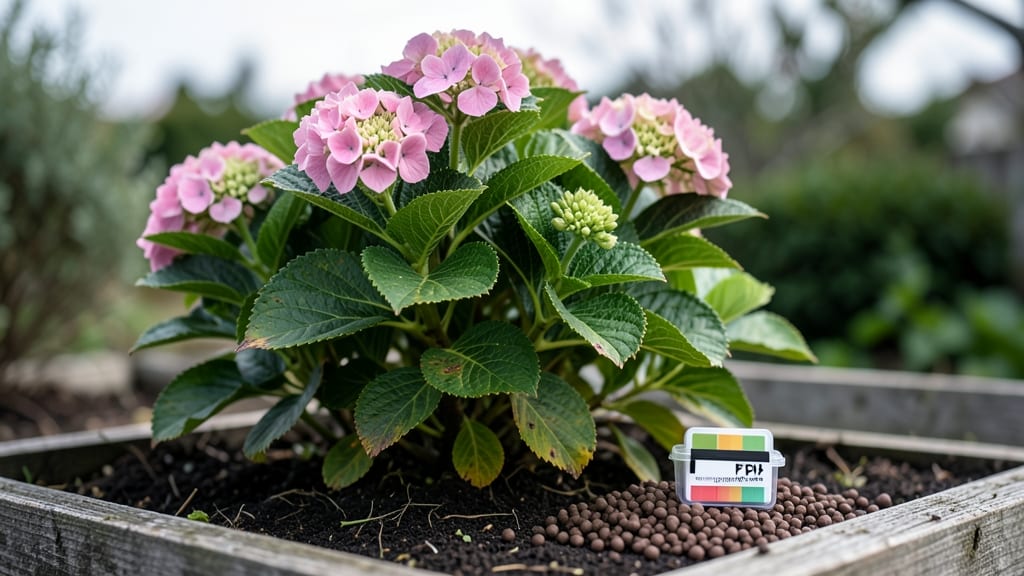
Your pink hydrangeas turning green isn't a plant personality change—it's a pH panic call. 💚 I've seen this happen when soil shifts from acidic to alkaline, and the good news is, it's one of the easiest fixes in gardening.
The color change happens because hydrangea blooms respond directly to soil chemistry, and a simple adjustment can bring back that showstopping pink in just a few weeks.
The most common culprit is alkaline soil, which throws off the plant's ability to absorb aluminum—a key player in pink bloom production. Other suspects include over-fertilizing with nitrogen-heavy products or even tap water high in lime.
The fix starts with a simple soil test (kits cost under $10) to confirm the pH, then adding elemental sulfur or peat moss to lower pH levels gradually. Think of it like adjusting the acidity in your favorite drink—just enough to get that perfect balance.
What you'll end up with are hydrangeas that burst back into vibrant pink within 4-6 weeks of making the adjustment. The blooms stay consistent season after season, and you'll notice stronger stems and healthier foliage too.
This isn't just about color—it's about giving your plants exactly what they need to thrive. The best part? Once you understand the science, it becomes second nature to monitor and maintain that perfect pH level.
Works for both in-ground plants and container gardens, making it a universal solution. Whether you're dealing with a single plant or an entire garden bed, this method delivers reliable results every time. Let's get those blooms back to their original glory!
The Hidden Triggers Behind Color Shifts
Your once-vibrant pink hydrangeas turning green isn’t just a random quirk of nature—it’s a clear signal from your plants that something in their environment is off. The color shift happens due to changes in soil chemistry, specifically pH levels, but other factors can also play a role.
Let’s break down the science behind why this happens and what’s really going on in your garden.
Hydrangeas are famous for their pH-sensitive blooms, meaning their color shifts based on how acidic or alkaline the soil is. Pink hydrangeas (like Hydrangea macrophylla) thrive in neutral to slightly acidic soil (pH 6.0–7.0).
When the soil becomes too acidic (pH below 5.5), the aluminum in the soil becomes more available, which the plant absorbs. This alters the flower pigments, turning pink blooms blue or greenish-blue.
But here’s the twist: if your soil is too alkaline (pH above 7.0), the opposite happens. The plant struggles to absorb aluminum, and the natural delphinidin pigments (which give blue hues) break down.
Instead, the flowers revert to their default green color—the same shade they’d be if they never bloomed at all. Think of it like a color reset button!
Quick test: Grab a soil pH kit (or a DIY vinegar/baking soda test) to check your garden’s pH. If it’s above 7.0, that’s likely why your pink hydrangeas are turning green.
While hydrangeas love moisture, waterlogged soil can throw off their pH balance over time. When soil stays soggy, it encourages the growth of acid-loving microbes that lower pH levels faster than normal. Additionally, poor drainage can leach essential nutrients (like phosphorus and potassium) that hydrangeas need to produce vibrant pigments.
Another issue? Hard water (high in minerals like calcium and magnesium) can raise soil pH over time, especially if you’re using tap water for irrigation. If your hydrangeas are near a concrete driveway or sidewalk, runoff from deicers (like calcium chloride) can also alkalize the soil, triggering the green shift.
Pro tip: If you suspect drainage is the issue, amend your soil with organic matter (compost or peat moss) to improve structure and balance pH naturally.
Hydrangeas need a balanced diet to produce their signature colors. A deficiency in phosphorus (a key nutrient for flower development) can cause blooms to stay green or fail to color properly.
On the flip side, too much nitrogen (common in fresh manure or over-fertilizing) can lead to lush foliage but underdeveloped, greenish flowers.
Here’s how to spot the difference:
- Green blooms with weak stems → Likely a phosphorus deficiency.
- Dark green leaves but no color in flowers → Too much nitrogen.
- Yellowing leaves with green blooms → Possible potassium or magnesium deficiency.
Fix it: Use a balanced, slow-release fertilizer (like 10-10-10) in early spring, or switch to an acid-loving plant fertilizer if your soil is alkaline.
Hydrangeas need partial shade (4–6 hours of morning sun). Too much direct afternoon sun can stress the plant, causing it to abort color development and produce greenish blooms. Similarly, late spring frosts or extreme heat waves can disrupt pigment formation.
If your hydrangeas are in a hot, sunny spot, they may prioritize survival over color, leading to underdeveloped blooms. The same goes for root-bound plants—if their roots are crowded, they can’t absorb enough nutrients to produce vibrant flowers.
Solution:
- Move plants to a shadier location (east-facing or dappled shade).
- Mulch around the base to regulate soil temperature.
- Ensure they’re not root-bound—repot or divide if needed.
If your hydrangeas are near a lawn treated with lime, herbicides, or fertilizers, those chemicals can alter soil pH or introduce harmful salts. Even dog urine (high in nitrogen) or hard water buildup can shift the pH over time.
If you’ve noticed the green shift suddenly and only in certain spots, chemical runoff might be the culprit.
What to do:
- Avoid applying lime or high-pH amendments near hydrangeas.
- Test soil in multiple spots—pH can vary even in small areas.
- Flush the soil with rainwater or distilled water if salt buildup is suspected.
Now that you know the science behind the green shift, the next step is fixing it—starting with a simple pH test and soil amendments. But don’t worry: hydrangeas are resilient, and with the right adjustments, you’ll be back to blushing pink blooms in no time! 🌸
Revive Your Hydrangeas Naturally
If your once-vibrant pink hydrangeas are turning green, don’t panic! The good news is that most causes—like soil pH, nutrient imbalances, or environmental stress—are fixable with simple, garden-friendly solutions. Below, we’ve mapped the most common culprits to step-by-step fixes, plus pro tips to keep your blooms stunning year after year.
Pink hydrangeas thrive in slightly acidic soil (pH 5.2–6.0). If the pH rises (becomes alkaline), aluminum becomes unavailable, and flowers revert to green or blue. Here’s how to reset it:
🍳 Test Your Soil First
- Grab a soil pH test kit (or send a sample to your local extension office for ~$15).
- Dig 6 inches deep near the plant’s roots for the most accurate reading.
👨🍳 Lower pH (If Soil is Too Alkaline)
- Option 1: Elemental Sulfur (Slow-acting, long-lasting)
- Sprinkle 1–2 pounds per 100 sq ft around the base (but not touching stems).
- Water thoroughly. Results take 2–6 weeks.
- Pro tip: 💡 Apply in early spring or fall for best absorption.
- Option 2: Aluminum Sulfate (Faster fix, but use sparingly)
- Mix 1–2 tbsp per gallon of water and water the soil until saturated.
- Repeat every 4–6 weeks until color improves.
- Warning: ⚠️ Overuse can harm roots—follow package rates!
🌡️ Raise pH (If Soil is Too Acidic)
- Garden Lime is your go-to:
- Apply ½–1 cup per plant (follow product guidelines).
- Work into the top 3–4 inches of soil and water in.
- Pro tip: 🌡️ Test pH again in 2–3 months to avoid over-correcting.
Green hydrangeas can also signal a lack of key nutrients. Here’s how to diagnose and treat:
🥗 Check for Nitrogen (Yellowing Leaves + Green Flowers)
- Symptoms: Leaves turn pale or yellow, stems weaken, but flowers stay green.
- Fix:
- Apply a balanced fertilizer (like 10-10-10) or a slow-release nitrogen source (e.g., blood meal).
- Pro tip: 💪 Use ½ the recommended dose—hydrangeas are sensitive to over-fertilizing!
🍎 Magnesium or Iron Deficiency (Yellow Spots Between Veins)
- Symptoms: Green flowers + yellow patches on leaves (interveinal chlorosis).
- Fix:
- Epsom salt (for magnesium): Dissolve 1 tbsp in 1 gallon of water, spray on soil and leaves.
- Iron chelate (for iron): Mix 1 tsp per gallon of water and water the base monthly.
- Pro tip: ✨ Apply in the morning to prevent leaf burn from evaporation.
Too much sun or inconsistent watering can stress hydrangeas, dulling their color.
💧 Water Wisely
- Problem: Underwatering → flowers wilt and turn dull green.
- Solution:
- Water deeply 1–2 times per week (1–2 inches total).
- Use mulch (2–3 inches of shredded bark) to retain moisture.
- Pro tip: 🎯 Water at the base, not overhead, to prevent fungal issues.
☀️ Shield from Harsh Sun
- Problem: Afternoon sun can bleach petals and stress the plant.
- Solution:
- Plant in morning sun + afternoon shade (ideal for most climates).
- Use light shade cloth (30–50%) if in a hot, sunny spot.
Once your hydrangeas rebound, keep them vibrant with these habits:
- 📅 Prune at the Right Time:
- Cut back after flowering (late summer/fall) to encourage next year’s blooms.
- Avoid pruning in early spring—you’ll lose this year’s flowers!
- 🌱 Choose the Right Variety:
- Some hydrangeas (like ‘Endless Summer’) are more forgiving with pH. Check tags before planting!
- 🔄 Rotate Fertilizers:
- Alternate between acid-loving plant food (for color) and balanced fertilizer (for growth).
With these fixes, your pink hydrangeas should bounce back in 4–6 weeks. Monitor your soil, stay consistent with care, and soon you’ll be the envy of the neighborhood with blooms that pop!
Frequently asked questions
Why do some pink hydrangea blooms stay pink while others turn green?
This happens because hydrangeas produce two types of buds: old wood buds (formed the previous year) and new wood buds (current season). Old wood buds often bloom first and may retain pink color, while new wood buds (from current season growth) are more sensitive to pH changes and turn green if soil conditions shift. The fix? Prune in late summer/fall to encourage next year's blooms on new wood.
Can I use vinegar to lower my soil pH for hydrangeas?
While white vinegar (2% acidity) can temporarily lower pH, it's not practical for garden use. The acidity evaporates quickly and won't provide lasting results. Instead, use elemental sulfur or peat moss—both create a gradual, long-term pH adjustment that hydrangeas need. A 1% vinegar solution might help with a quick rinse of leaves, but it won't fix soil chemistry.
Will the green hydrangea blooms ever turn pink again?
Yes! If the green color is due to alkaline soil (pH >7.0), adjusting the pH to 5.2-6.0 with elemental sulfur or aluminum sulfate will restore pink blooms within 4-6 weeks. However, if the green is from nutrient deficiency or sun stress, fixing those issues will also bring back color. The key is consistency—monitor your soil and care routine.
How often should I test my soil pH if I want consistent pink hydrangeas?
Test your soil once every 1-2 years for established hydrangeas, or annually if you're actively adjusting pH. Newly planted hydrangeas should be tested 3 months after planting to establish a baseline. Use a digital pH meter ($15) for quick checks between full tests. Remember, pH can fluctuate with seasonal rains and fertilizer use.
Are there any hydrangea varieties that stay pink regardless of soil pH?
Most hydrangeas are pH-sensitive, but some varieties like 'Pinky Winky' and 'Bobo' (mophead types) tend to hold their pink color better in neutral soil. For true pH-insensitive pink blooms, look for oakleaf hydrangeas (like 'Hot Rod') or panicle types (like 'Limelight'). These varieties focus more on flower form than color shifts, making them great for gardeners who want low-maintenance pink blooms.