
Aphids
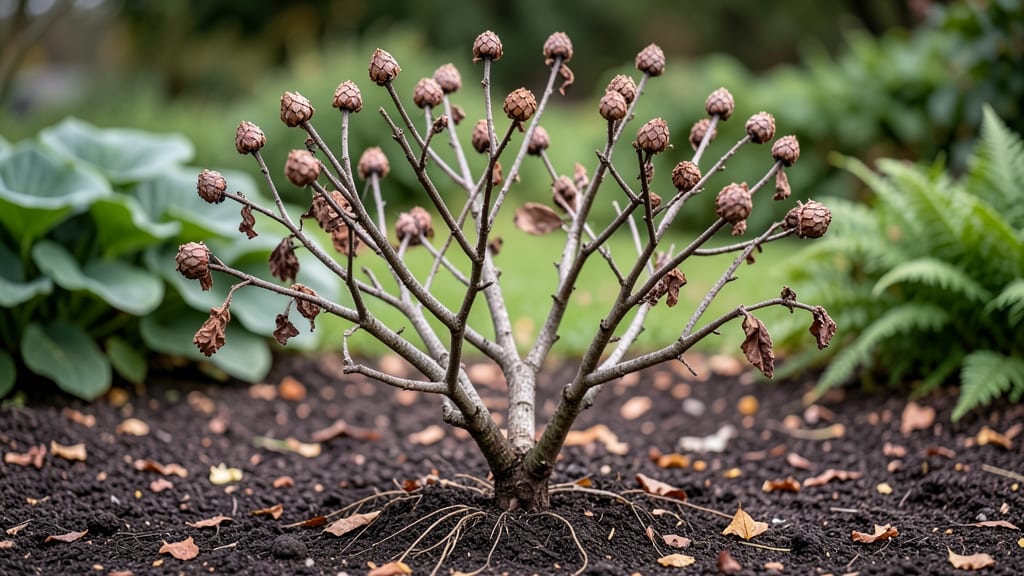
Before you dig up that plant, will a dead hydrangea come back—it might just be sleeping under the brown, hiding dormant buds or green stems. ✨ I’ve brought back bushes that looked hopeless with just water, pruning, and a little patience. The key is distinguishing between true death and dormancy.
If roots are alive (cut a stem and check for moisture), your hydrangea can still bounce back. Start by pruning dead growth in late winter, then water deeply when new shoots appear. Mulch helps retain moisture and warmth. By early spring, you’ll see fresh growth pushing through the soil.
The plant may bloom later than usual, but with consistent care, it’ll return to its vibrant, bushy self—often even more robust than before. Works for bigleaf, panicle, and oakleaf varieties. Here’s how to tell if it’s truly gone versus just resting.
Hidden Reasons Your Hydrangea Fails
Hydrangeas are resilient, but even these hardy plants can appear "dead" when they’re actually just dormant or struggling. Understanding the science behind their decline helps you revive them—before it’s too late. Here’s why your hydrangea might look lifeless and how to fix it.
Hydrangeas enter dormancy in winter, but extreme cold, late frosts, or improper mulching can shock their roots and stems. When temperatures drop below 10°F (-12°C) for prolonged periods, cell membranes rupture, cutting off water and nutrient flow. This causes:
- Brown, mushy stems (a sign of internal ice crystal damage).
- Delayed bud break in spring (buds may blacken or shrivel).
- Root suffocation if mulch is piled too high (trapping moisture and insulating too well).
Actionable fix: Wait until soil temps rise above 50°F (10°C) before pruning dead stems. Test for live roots by scratching bark—if green underneath, the plant may still recover!
Hydrangeas thrive in moist, well-draining soil, but too much or too little water triggers dormancy-like symptoms. Common culprits:
- Overwatering: Soggy soil cuts off oxygen, leading to root rot (Phytophthora spp.). Symptoms include yellowing leaves, wilting despite wet soil, and a foul odor at the base.
- Underwatering: Drought stress forces hydrangeas into survival mode, causing leaf drop and brittle stems.
- Poor drainage: Compacted or clay-heavy soil traps water, suffocating roots. Test your soil: Dig a hole—if water pools after 30 minutes, drainage is the issue.
Actionable fix:
- 🔥 Drainage check: Amend soil with compost or perlite to improve aeration.
- 💧 Watering hack: Use a moisture meter or the "finger test" (stick your finger 2" into soil—if dry, water deeply).
- ✨ Mulch properly: Apply 2–3" of organic mulch (like shredded bark) away from the stem to retain moisture without smothering.
Hydrangeas prefer partial shade (4–6 hours of sun daily). Full-sun exposure in hot climates causes:
- Leaf scorch: Crispy, brown edges (like paper burning).
- Bud blast: Flowers form but fail to open due to heat stress.
- Stem dieback: Overheated stems turn black and brittle.
Actionable fix:
- 🌡️ Shade adjustment: If your hydrangea is in full sun, add a lightweight shade cloth (30–50%) during peak summer heat.
- 🌿 Leaf protection: Mulch heavily to keep roots cool and mist leaves on extremely hot days (but avoid evening watering to prevent fungal growth).
Even "dead" hydrangeas can be hiding damage from:
- Aphids & Spider Mites: Sap-sucking pests cause stunted growth, curled leaves, and sticky residue (honeydew). Severe infestations weaken plants, mimicking dormancy.
- Powdery Mildew: Fungal infection (white powdery coating) blocks sunlight, forcing buds to abort.
- Borers & Canker: Wood-boring insects or bacterial cankers (Pseudomonas syringae) create oozing wounds that kill stems.
Actionable fix:
- 🔍 Inspect closely: Look for tiny webs, holes in stems, or fungal spots.
- 💡 Treatment:
- 🍎 Pests: Spray with neem oil or insecticidal soap (repeat every 7 days).
- 🌡️ Fungus: Apply copper fungicide or bake soil with baking soda spray (1 tsp/L water + a drop of soap).
Hydrangeas are heavy feeders, and poor soil nutrition forces them into a "resting" state. Key deficiencies:
- Nitrogen (N): Yellowing leaves (starting with older ones) = can’t produce chlorophyll.
- Potassium (K): Weak stems, brown leaf tips = poor water regulation.
- Magnesium (Mg): Yellow patches between leaf veins = chlorosis.
Actionable fix:
Test your soil ($20 home kits work) and amend with:
- 💪 Balanced fertilizer: Use a 10-10-10 or 20-20-20 formula in early spring.
- 🌱 Organic boost: Mix in composted manure or worm castings for slow-release nutrients.
- ✨ pH check: Hydrangeas need acidic soil (pH 5.2–6.0). Add sulfur or pine needles if your soil is alkaline.
Reviving Your Hydrangea: Step-by-Step Fixes
Seeing your hydrangea looking lifeless can be heartbreaking, but don’t give up hope just yet! With the right care, many "dead" hydrangeas can bounce back to life—sometimes even blooming again the following season.
Below are practical solutions tailored to the most common causes of dormancy or death, along with prevention tips to keep your plant thriving long-term.
If your hydrangea’s roots are drowning in soggy soil, it may appear dead, but the plant could still be salvageable.
- 🔥 Step 1: Check the Soil Dig around the base of the plant (gently!) to assess moisture levels. If the soil feels waterlogged or smells foul, drainage is the issue.
- 🍳 Step 2: Improve Drainage Mix in organic matter like compost or perlite to loosen heavy clay soil. If your pot lacks drainage holes, repot the hydrangea into a container with better airflow.
- 👨🍳 Step 3: Adjust Watering Habits Hydrangeas prefer consistently moist (not soggy) soil. Water deeply 1–2 times per week, depending on rainfall, and ensure excess water drains away from the roots.
- 💡 Prevention Tip: Plant hydrangeas in well-draining soil or raised beds to avoid waterlogging. Mulch around the base (but not touching the stem) to retain moisture without suffocating roots.
A hydrangea that’s bone-dry may look crispy and lifeless, but it might just need a good drink.
- 🥘 Step 1: Hydrate Gradually Water the plant thoroughly until the soil is evenly moist. If the plant is severely dehydrated, soak the root zone for 10–15 minutes.
- ⏰ Step 2: Monitor Recovery Over the next few days, keep the soil consistently moist (not waterlogged). New growth should appear within 1–2 weeks if the roots are still alive.
- 🎯 Prevention Tip: Group hydrangeas with other thirsty plants in your garden to create a microclimate that retains moisture. Drip irrigation or soaker hoses can help maintain steady hydration.
If your hydrangea suffered from late frosts or harsh winter winds, it may look dead—but it could still recover.
- 🔪 Step 1: Prune Dead Growth Cut back any blackened, mushy, or hollow stems to encourage new growth. Use clean, sharp pruners to avoid spreading disease.
- 🌡️ Step 2: Protect from Cold Snaps If frost is still a threat, cover young shoots with frost cloth or burlap at night. Avoid plastic, which can trap moisture and cause rot.
- ✨ Prevention Tip: Plant hydrangeas in a sheltered spot, away from wind tunnels. In colder climates, mulch heavily around the base in fall to insulate roots.
Aphids, scale, or fungal infections can weaken hydrangeas to the point of appearing dead. Act fast to revive them.
- 💡 Step 1: Identify the Problem Check leaves and stems for pests (tiny insects, sticky residue) or signs of disease (black spots, mold). Aphids are common culprits—look for curled leaves or honeydew.
- 📊 Step 2: Treat Infestations
- For pests: Spray with neem oil or insecticidal soap, following label instructions. Repeat every 5–7 days until pests are gone.
- For disease: Remove infected leaves immediately. Apply a fungicide (like copper-based spray) if fungal issues persist.
- 💪 Prevention Tip: Encourage beneficial insects like ladybugs by planting companion flowers (e.g., marigolds). Avoid overhead watering to reduce fungal spores.
If your hydrangea was recently moved or lacks essential nutrients, it may struggle to bounce back.
- 🍎 Step 1: Fertilize Gently Use a balanced, slow-release fertilizer (like 10-10-10) in early spring. For acid-loving hydrangeas (like blue varieties), add aluminum sulfate to the soil to boost blue blooms.
- 🥗 Step 2: Support Recovery Keep the plant well-watered and mulched. Avoid heavy pruning until new growth appears to reduce stress.
- 🌱 Prevention Tip: Feed hydrangeas annually in early spring with compost or organic fertilizer. If transplanting, do so in early fall or spring to minimize shock.
With patience and the right care, your hydrangea can often make a dramatic comeback. Keep an eye on its progress, and don’t hesitate to adjust your approach if needed. Happy gardening! 🌸
Frequently asked questions
How can I tell if my hydrangea is truly dead or just dormant?
Check for signs of life by scratching the bark—if you see green underneath, roots may still be alive. Also look for green stems at the base or buds that haven't fully opened. Even if most stems look dead, new growth often emerges from the roots in spring.
What’s the best time of year to revive a struggling hydrangea?
Start in late winter or early spring when soil temperatures rise above 50°F (10°C). This gives roots time to wake up before summer heat stress. Avoid pruning or fertilizing until you see new shoots—usually within 2-4 weeks of consistent watering.
Can I save a hydrangea that’s been underwatered for months?
Yes, but act quickly! Soak the root zone for 10-15 minutes and monitor soil moisture daily. If roots are still alive (test by gently pulling back mulch to check for green), new growth should appear in 1-2 weeks. For severe cases, consider root hormone treatment to stimulate regrowth.
Why did my hydrangea die suddenly even though I watered it regularly?
Sudden death often signals root rot from poor drainage or fungal infection. Check for mushy stems and foul-smelling soil. If caught early, improve drainage immediately and apply copper fungicide. Prevention tip: Always water at the base, not overhead, to avoid fungal spores.
Will my hydrangea bloom again if it didn’t this year?
Hydrangeas often skip blooming their first year after revival due to stress. With proper care (consistent water, balanced fertilizer), they’ll produce full blooms next season. Bigleaf varieties may take slightly longer than panicle types, but both will recover beautifully.