
How To
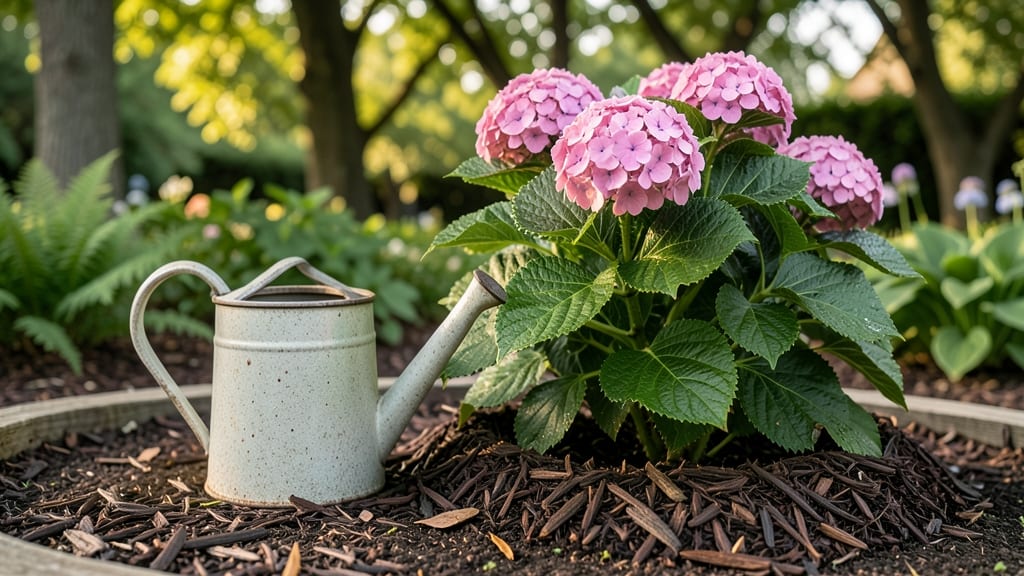
Watering hydrangeas the best way ensures those showstopping blooms all season long 🌸 — and it’s simpler than you think.
Struggling to keep your hydrangeas blooming lush and vibrant? The secret lies in a simple yet often overlooked gardening technique—watering them the right way at the right time.
Most gardeners overcomplicate it, but hydrangeas actually thrive on deep, infrequent watering in the morning. This method keeps roots hydrated without inviting fungal diseases or wasted evaporation.
In this guide, I’ll walk you through the exact schedule, soil checks, and seasonal tweaks to transform your hydrangeas into a year-round showstopper—no guesswork required.
Why morning watering maximizes hydrangea bloom growth and health
If you've ever wondered why your hydrangeas look lackluster or fail to produce vibrant blooms, the answer might lie in your watering schedule. Morning watering isn't just a gardening tip—it's a science-backed strategy that boosts root health, flower color intensity, and overall plant resilience.
Unlike evening watering, which leaves foliage damp overnight, morning hydration gives your hydrangeas the optimal start they need to thrive.
Hydrangeas are thirsty plants that demand consistent moisture, especially during their blooming season. When you water in the morning, you're not just quenching their thirst—you're also reducing fungal risks, like powdery mildew, which thrives in damp conditions.
Plus, morning watering ensures the soil stays evenly moist, preventing the stress that leads to drooping blooms or bud drop. This simple habit can transform your hydrangeas from underwhelming to show-stopping.
Here’s the game-changer: morning watering directly impacts your hydrangeas’ flower color. The pH of your soil—whether it’s acidic (blue blooms) or alkaline (pink blooms)—plays a role, but consistent moisture helps the plant absorb nutrients more efficiently.
Without proper hydration, your hydrangeas might struggle to develop vibrant hues, leaving you with muted or inconsistent colors. Think of morning watering as the secret ingredient for those lush, colorful blooms you’ve always dreamed of.
One of the biggest myths about hydrangeas is that they’re low-maintenance plants that can survive on occasional watering. But the truth is, they’re delicate drinkers that need consistent hydration to perform at their best.
When you water in the morning, you’re mimicking the natural rain cycles that hydrangeas thrive in. This routine helps them develop stronger stems, larger leaves, and—most importantly—bigger, more abundant blooms.
Let’s talk about flower color, because this is where morning watering shines. If you’ve ever tried to change your hydrangeas’ bloom color by adjusting soil pH, you know it’s a slow process.
But when you combine proper pH levels with consistent morning watering, you’re giving your plants the best chance to express their full color potential.
For example, blue hydrangeas (like the Nikko Blue variety) need acidic soil, while pink hydrangeas (like Endless Summer) thrive in alkaline conditions. Morning watering ensures the soil stays at the ideal pH level for color development.
Another critical benefit of morning watering is how it protects your hydrangeas from stress. When you water at night, the moisture lingers on the leaves and buds, creating a perfect environment for fungal spores to take hold.
This can lead to leaf spot, mildew, or even root rot in extreme cases. By switching to morning watering, you’re giving your plants a dry start to their day, which helps them stay healthy and resilient against pests and diseases.
If you’ve been underwatering your hydrangeas, you might notice wilting leaves, drooping blooms, or premature bud drop. These are all signs that your plant isn’t getting enough consistent moisture.
On the flip side, overwatering can lead to yellowing leaves, root suffocation, and poor nutrient absorption. Morning watering strikes the perfect balance, ensuring your hydrangeas get just the right amount of hydration without the risks of waterlogging or drought stress.
For the best results, aim to water your hydrangeas deeply in the morning—about 1-1.5 gallons per plant, depending on its size. This ensures the water reaches the root zone, encouraging deeper root growth and better nutrient uptake.
Over time, you’ll see your hydrangeas respond with lush foliage,
Step-by-step guide: how to water hydrangeas for optimal results
Watering hydrangeas might seem straightforward, but getting the frequency and depth right is key to those stunning blooms you love. These plants thrive on consistent moisture, but too much or too little can stress them.
I’ve learned that deep watering in the morning makes all the difference—it keeps roots hydrated while preventing fungal issues. Let’s break it down into simple steps so you can keep your hydrangeas happy and blooming all season.
First, check your soil moisture before watering. Stick your finger about 2 inches deep into the soil near the base of the plant. If it feels dry, it’s time to water. If it’s still damp, wait another day.
Hydrangeas hate soggy roots, so never water on a schedule without checking first. This simple habit saves you from overwatering mistakes that can lead to root rot or poor blooms.
🌸 Best Way to Water Hydrangeas: Step-by-Step
-
Step 1: Water in the Morning
Water your hydrangeas before 10 AM to reduce evaporation and fungal risks. This gives leaves time to dry, preventing powdery mildew.
-
Step 2: Deep Soak the Roots
Apply 1-1.5 gallons of water per plant, targeting the root zone. Use a soaker hose or drip irrigation for even moisture.
-
Step 3: Check Soil Moisture Weekly
Stick your finger 2 inches deep into the soil. If dry, water again. Adjust frequency based on weather and season.
-
Step 4: Adjust for Summer Heat
During peak summer months, water every 1-2 days if temperatures exceed 85°F. Mulch with 2-3 inches of organic mulch to retain moisture.
-
Step 5: Reduce Watering in Fall/Winter
Cut back to every 2-3 weeks in fall and winter. Hydrangeas enter dormancy and need less water during cooler months.
-
Step 6: Avoid Wetting Leaves
Water at the base of the plant to prevent fungal diseases. If overhead watering is necessary, do it early in the day.
Seasonal adjustments are crucial for hydrangea care. In spring and summer, when growth is most active, aim for deep watering every 3-5 days. If your area experiences a heatwave, increase frequency to daily watering to prevent wilting.
I’ve seen hydrangeas droop dramatically in extreme heat—always monitor their needs closely. Mulching with wood chips or straw helps retain moisture and keeps roots cool.
Fall and winter bring different challenges. As temperatures drop, reduce watering to every 2-3 weeks. The goal is to keep the soil slightly moist but not soggy. Overwatering in winter can lead to root rot, especially in containers where drainage is limited.
If your hydrangeas are in pots, they’ll dry out faster than in-ground plants, so check soil moisture more frequently.
Finally, watch for signs of watering stress. Yellowing leaves or buds that fail to open often signal underwatering, while drooping leaves or moldy stems indicate overwatering. Adjust your routine based on these clues, and your hydrangeas will reward you with vibrant blooms all season.
With these steps, you’ll master the art of watering and keep your garden looking its best!