
Landscaping
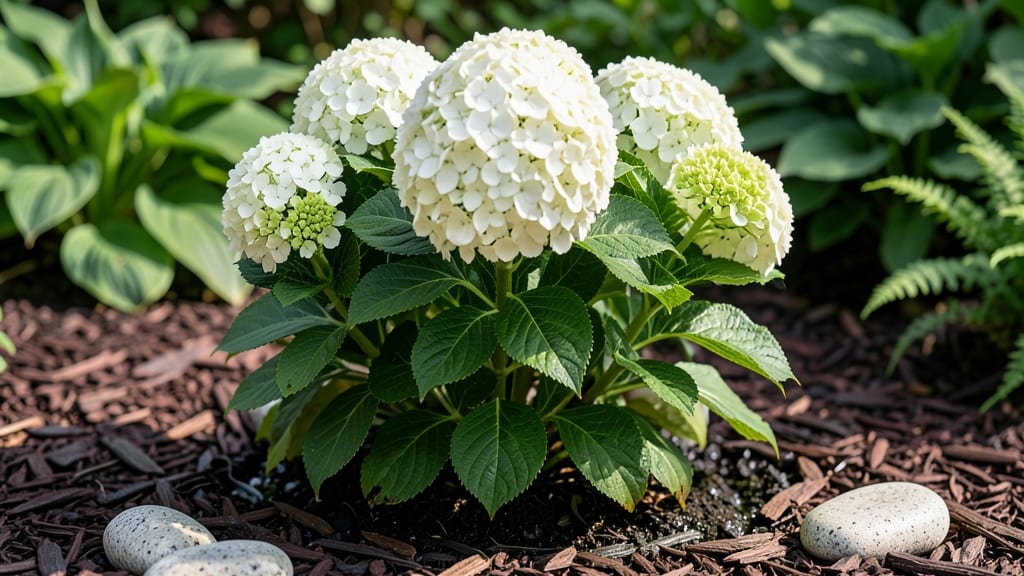
That Bobo hydrangea in front of your house isn’t just a plant—it’s a year-round conversation starter. 🌿 Its compact size (just 3-4 feet tall) and lush blooms make it the perfect low-maintenance star for curb appeal, offering spring greenery, summer blooms, and winter interest without the fuss.
The secret to a stunning display? Plant them in groups of three along the foundation or in mixed containers near the walkway. Pair them with dwarf boxwoods or ornamental grasses for texture, and they’ll create a polished, welcoming look that lasts all season.
No deadheading required—those spent blooms turn into woody seed heads that add winter charm. You’ll love how they thrive in partial shade (morning sun is ideal) and well-draining soil, making them easier to grow than roses.
With minimal pruning and no staking needed, they’re the foolproof way to elevate your front yard without the upkeep. Works in small spaces, large beds, or even large pots—just keep them within 3-5 feet of the house for that polished, intentional look. Here’s how to make them shine!
📚 In This Guide
- What you need
- Instructions
- Tips and common mistakes
- Wrapping up and next steps
What you need
- ● Bobo Hydrangea Plants: 3–5 mature plants (depending on desired fullness). Choose Hydrangea macrophylla ‘Bobo’ from a reputable nursery (bare-root or potted).
- ● High-Quality Potting Soil: 1–2 bags (1 cubic foot each) of well-draining, organic soil mix (amend with compost if your native soil is heavy or sandy).
- ● Mulch: 2–3 bags of pine bark fines or shredded hardwood mulch (3–4 inches thick).
- ● Slow-Release Fertilizer: 1 bag of balanced granular fertilizer (10-10-10) or hydrangea-specific fertilizer.
- ● Organic Matter: 1 bag of aged compost or peat moss (for soil enrichment).
- ● Watering Can or Hose: With a soaker hose attachment (for deep watering).
- ● Garden Trowel or Spade: For digging holes (6–8 inches wide/deep per plant).
- ● Garden Gloves: Heavy-duty, water-resistant pair.
- ● Pruning Shears: Sharp, bypass-style (for shaping after planting).
- ● Wheelbarrow or Bucket: For mixing soil amendments (5-gallon capacity).
- ● Measuring Tape: To space plants 3–5 feet apart (ensures airflow and growth).
- ○ Stakes & Twine (Optional): For young plants in windy areas.
- ● Sunlight Assessment: Confirm your front yard gets partial shade (morning sun, afternoon shade)—Bobo hydrangeas thrive here!
- ○ Soil Test (Optional but Helpful): Check pH (ideal: 5.2–6.0; amend with sulfur if too alkaline).
- ● Weather Check: Plant on a cool, cloudy day or water heavily if planting in hot sun.
Step-by-step guide for planting Bobo hydrangeas in front of your house
This compact, versatile shrub thrives with minimal fuss—here’s how to plant it for bold, seasonal color.
🌱 Step 1: Choose the Perfect Location for Year-Round Appeal
Bobo hydrangeas shine in partial shade—think 4-6 hours of morning sun with afternoon shade, especially in hotter climates. Too much direct sun bleaches petals and stresses the plant, while too little shade reduces flowering. I always scout the spot at different times of day to gauge light shifts through seasons.
Pick a site with well-draining soil—these shrubs hate soggy roots. If your yard has heavy clay, amend with 2-3 inches of compost mixed into the top 12 inches of soil. The front of the house often has ideal microclimates: cooler in summer, protected from harsh winds, and naturally framed by your home’s architecture.
🪴 Step 2: Dig and Prepare the Planting Hole
Dig a hole twice as wide as the root ball but only as deep—planting too deep suffocates roots. Loosen the sides of the hole with a shovel to encourage root spread. I like to add a handful of slow-release fertilizer (10-10-10) to the bottom of the hole—just enough to give the plant a growth boost without overfeeding.
Gently remove the hydrangea from its container, tease apart any circling roots, and place it in the hole so the top of the root ball sits level with the surrounding soil. Press the backfill soil firmly around the roots to eliminate air pockets. Water deeply to settle everything—you’ll see the soil surface sink slightly as it compacts.
☀️ Step 3: Mulch and Water for Establishment
Spread 2-3 inches of mulch (wood chips or shredded bark) over the soil surface, keeping it 6 inches away from the stem to prevent rot. Mulch locks in moisture and regulates soil temperature, which is crucial for these tender roots. Water immediately after planting—1-2 gallons per shrub—until the soil is 6 inches deep and evenly moist.
For the first 4-6 weeks, water 2-3 times per week (or daily in extreme heat) until new growth appears. You’ll know it’s established when new leaves emerge and the plant starts reaching for sunlight. Avoid overhead watering once leaves appear—it promotes fungal diseases. Instead, water at the base with a soaker hose.
✂️ Step 4: Prune for Shape and Seasonal Interest
Prune Bobo hydrangeas right after flowering (late summer) to shape the shrub and encourage next year’s blooms. Use clean, sharp pruners to cut back 1/3 of the oldest stems to the ground—this opens up the center for air circulation and sunlight. Never prune in fall or winter, as the plant needs its foliage to photosynthesize through dormancy.
In early spring, remove any dead, diseased, or crossing branches to maintain an open, airy shape. These shrubs naturally grow 3-4 feet tall and wide, so prune to maintain that compact form. The more you prune in late summer, the more vibrant the next season’s blooms will be—it’s a direct trade-off for color.
🌿 Step 5: Feed and Protect for Long-Term Health
Apply a balanced, slow-release fertilizer (10-10-10) in early spring—just follow the package rate for shrubs. Overfeeding leads to lush foliage but fewer flowers, and Bobo hydrangeas prioritize blooms over leaves. I also add 1 cup of compost around the base in spring to replenish nutrients naturally.
Watch for hydrangea leaf spot (brown spots on leaves) or aphids—both are common. If you see issues, remove affected leaves immediately and treat with neem oil if needed. These shrubs are generally low-maintenance, but a little vigilance keeps them thriving for decades with minimal effort.
Tips & tricks for planting Bobo hydrangeas
These simple strategies will help your Bobo hydrangeas thrive with minimal effort and maximum impact.
Location Intelligence: That 4-6 hours of morning sun is non-negotiable for vibrant blooms. I've learned the hard way—afternoon sun will scorch petals and stress the plant. Scout your spot at different times of day, especially during summer's peak heat. The front of your house often provides perfect microclimates with natural shade from walls and eaves.
Soil Preparation Secret: When amending heavy clay with 2-3 inches of compost, mix it into the top 12 inches of soil—not just the surface. This creates a proper rooting zone where moisture and nutrients can penetrate. I like to use a garden fork to loosen the soil before adding compost, creating channels for roots to grow deeper.
Watering Wisdom: The 1-2 gallons per shrub immediately after planting is crucial for settling the soil and eliminating air pockets. For the first 4-6 weeks, check moisture by sticking your finger 2 inches deep—if it's dry, water deeply. Overhead watering promotes fungal diseases, so use a soaker hose at the base instead. This simple adjustment saved my first planting from leaf spot issues.
Pruning Precision: When cutting back 1/3 of the oldest stems in late summer, make clean cuts just above a set of leaves or buds. I always sterilize my pruners with rubbing alcohol between cuts to prevent spreading disease. The key is timing—prune right after flowering when the plant has already set next year's buds but before new growth begins.
Pro Tips for Bobo Hydrangea In Front Of House
- These simple strategies will help your Bobo hydrangeas thrive with minimal effort and maximum impact.
- Location Intelligence: That 4-6 hours of morning sun is non-negotiable for vibrant blooms.
- Soil Preparation Secret: When amending heavy clay with 2-3 inches of compost, mix it into the top 12 inches of soil—not just the surface.
Frequently asked questions
When is the best time to plant Bobo hydrangeas in front of my house?
The ideal time is early spring or early fall when temperatures are mild (50–70°F). Planting in spring lets roots establish before summer heat, while fall gives them time to settle before winter. Avoid extreme heat or frost—both can stress young plants.
How often should I water Bobo hydrangeas, especially in hot summers?
Water deeply 1–2 times per week (more in extreme heat or dry spells). Aim for 1–1.5 inches of water per week, including rainfall. Mulch around the base (2–3 inches) to retain moisture and protect roots. Yellowing leaves? Often a sign of underwatering or overwatering—check soil moisture before reacting!
Do I need to prune Bobo hydrangeas, and if so, when?
Prune right after flowering (late summer/early fall) or in late winter/early spring before new growth starts. Remove dead or crossing branches and trim back leggy stems by ⅓ to encourage bushier growth. Pro tip: Wear gloves—hydrangea leaves can irritate skin!
Why aren’t my Bobo hydrangeas blooming as much as I expected?
Common culprits:
- Not enough sun: Bobos thrive in partial shade (4–6 hours of sunlight). Too much shade = fewer blooms.
- Over-fertilizing: Too much nitrogen = leafy growth, not flowers. Use a balanced, acid-loving plant fertilizer (like 10-10-10) in spring.
- Dormant buds: Some hydrangeas bloom on old wood—prune too early, and you’ll cut off next year’s flowers!
Give them time—mature plants (3–5 years old) bloom most prolifically.
Are there low-maintenance alternatives to Bobo hydrangeas for my front yard?
Consider these easy-care, colorful options:
- Dwarf butterfly bush (Buddleia davidii): Compact, pollinator-friendly, and drought-tolerant.
- Boxwood hedges: Evergreen, structured, and thrive in full sun to partial shade.
- Dwarf gardenias: Fragrant, glossy leaves, and love shade—perfect for southern climates.
- Abelia shrubs: Blooms spring to fall, handles heat well, and stays tidy.
Need year-round color? Pair hydrangeas with heather, loropetalum, or holly for variety!
Wrapping up and next steps
Transforming your front yard with bobo hydrangeas isn’t just about curb appeal—it’s about creating a serene, low-maintenance masterpiece that thrives year-round. 🌸 Their compact size, vibrant blooms, and resilience make them the perfect choice for adding effortless elegance to your home’s exterior.
Whether you’re a seasoned gardener or a beginner, these beauties deliver big results with minimal fuss.
Ready to elevate your outdoor space? Start by selecting the right variety (like ‘Bobo’ or ‘Little Lime’) and follow the planting tips shared above. Then, sit back and enjoy the compliments—and the birds! 🐦