
Light Requirements
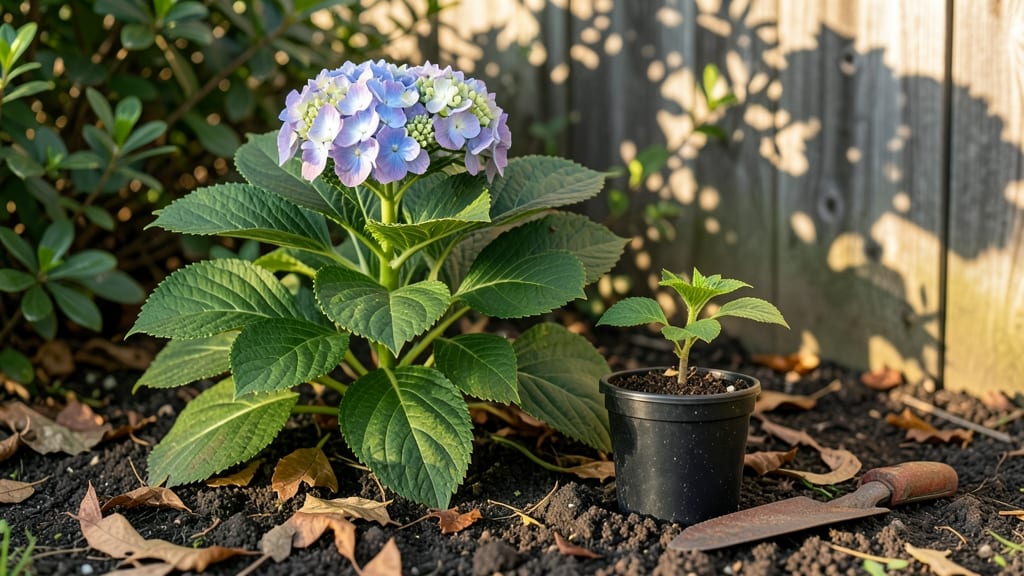
Hydrangeas planted in full sun can thrive with the right variety and care—unlike the common belief that they need shade.
Struggling to grow hydrangeas in your sunny garden? While most varieties prefer shade, some heat-tolerant types not only survive but thrive in full sun—here’s how to pick the right ones and care for them properly.
For example, Hydrangea paniculata (like 'Limelight') handles full sun better than Hydrangea macrophylla (the classic bigleaf type), which wilts under harsh afternoon rays. The key is choosing the right plant for your climate and adjusting watering and soil to keep roots cool.
In this guide, I’ll break down the best sun-tolerant hydrangeas, how to spot stress signs, and simple fixes to keep your 🌸 blooms vibrant all season long.

Best heat-tolerant Hydrangea varieties for full sun exposure
If you’ve ever wondered can hydrangeas be planted in full sun, the answer is yes—but only with the right varieties! While most hydrangeas prefer partial shade, some stunning types like panicle hydrangeas and oakleaf hydrangeas not only tolerate but love full sun exposure.
These heat-tolerant varieties thrive in hot climates (USDA Zones 5-9) and produce bold, long-lasting blooms.
Choosing the right variety depends on your climate and sunlight conditions. In southern states like Texas or Florida, even morning sun can be intense, while northern gardens might handle afternoon sun better.
Below, I’ll break down the top sun-loving hydrangeas, their color performance, and how they handle heat—so you can pick the perfect one for your garden.
Pro Tip: Always acclimate your hydrangeas gradually to full sun. Start with morning sun only for the first few weeks, then slowly increase exposure to avoid leaf scorch or wilting. This simple step makes all the difference!
🌞 Heat-Tolerant Hydrangea Comparison
| Variety | Sun Tolerance | Bloom Color | Mature Height | Best For |
|---|---|---|---|---|
| Limelight® Hydrangea (H. paniculata) | Full sun (6+ hours) | Cream → pink | 6–8 ft | Bold statement blooms; heat-resistant |
| Little Lime® (H. paniculata) | Full sun (dwarf variety) | Lime green | 3–4 ft | Containers; compact gardens |
| Oakleaf Hydrangea (H. quercifolia) | Full sun (morning sun preferred) | White → pink | 6–8 ft | Fragrant blooms; fall color |
| Vanille Fraise® (H. paniculata) | Full sun (best in heat) | Pink → burgundy | 4–5 ft | Long blooming; disease-resistant |
| Endless Summer® (H. macrophylla) | Partial sun (max 4 hours) | Blue/pink (pH-dependent) | 3–5 ft | Reblooming; shade-tolerant |
*Note: H. macrophylla (mophead/smooth) varieties like Endless Summer® struggle in full sun unless given afternoon shade.
Among these, panicle hydrangeas (H. paniculata) are the most heat-tolerant. Varieties like Limelight® and Vanille Fraise® not only handle full sun but also bloom later in the season, adding color when other plants fade.
Their cone-shaped flowers also hold up better in wind and rain, making them ideal for southern gardens.
Oakleaf hydrangeas are another fantastic choice for full sun gardens, especially in USDA Zones 5-9. Their leathery, oak-like leaves provide natural shade for roots, while their fragrant blooms and stunning fall color make them a year-round star. Plant them in well-draining soil with a 2-inch layer of mulch to retain moisture.
For smaller spaces, Little Lime® is a game-changer. This dwarf panicle hydrangea thrives in containers or borders and delivers bright lime-green blooms that turn pink in fall. It’s perfect for patios or balconies where space is limited but you still want sun-loving hydrangeas.
If you’re in a hot, dry climate like Arizona or Nevada, focus on panicle types and provide afternoon shade during peak summer months. Even heat-tolerant varieties can wilting or leaf scorch if exposed to 12+ hours of direct sun without proper care.
A lightweight shade cloth (30-50%) can save your plants during extreme heat waves.
One common mistake is assuming all hydrangeas are the same. Bigleaf hydrangeas (H. macrophylla), like the classic mophead varieties, cannot handle full sun—they
How to care for hydrangeas in full sun: watering, soil, and pruning tips
Growing hydrangeas in full sun requires extra attention to watering, soil quality, and pruning techniques to prevent stress and wilting. While most varieties prefer partial shade, heat-tolerant types like Hydrangea paniculata and Oakleaf hydrangeas can thrive with the right care.
The key is mimicking their natural woodland habitat—keeping roots cool while exposing foliage to sunlight.
Start by amending your garden soil with organic compost or well-rotted manure to improve moisture retention and drainage. Hydrangeas in full sun need consistent moisture—dry soil leads to crispy edges and drooping blooms.
Mulch heavily with 3-4 inches of organic mulch (like shredded bark) to lock in moisture and regulate soil temperature.
⚠️ callout warning
Even heat-tolerant varieties like Limelight or Little Lime can't handle intense afternoon sun without extra care. Signs of stress include yellowing leaves, wilting, and brown leaf edges—these mean your plant is thirsty or overheated. Water deeply in the morning (1-2 gallons per plant) and avoid wetting foliage to prevent fungal diseases.
Pro Tip: Gradually acclimate new plants to full sun by exposing them to 2-3 hours of direct light per day, increasing exposure over 2-3 weeks.
For soil preparation, test your garden's pH—hydrangeas prefer acidic to neutral soil (pH 5.5-6.5). Amend with sulfur or peat moss if needed, as alkaline soil can cause bluish blooms instead of pink.
Work composted leaves into the top 6 inches of soil before planting to create a nutrient-rich root zone.
Pruning is crucial for full-sun hydrangeas to encourage airflow and blooming. Prune late winter or early spring (before new growth) to remove dead wood and crowded stems.
For panicle hydrangeas, cut back 1/3 of the oldest stems to stimulate new growth. Avoid heavy pruning in summer, as it can stress the plant further.
Monitor your hydrangeas for sunburn symptoms, like brown patches on leaves. If this happens, provide afternoon shade with a lightweight shade cloth (30-50%) or move potted plants to a partially shaded spot.
Regularly check soil moisture—stick your finger 2 inches deep; if it's dry, water immediately.
With the right watering schedule, soil amendments, and pruning routine, your full-sun hydrangeas will reward you with vibrant blooms all season long. Start with heat-tolerant varieties, keep soil moist, and protect them from intense afternoon heat—your garden will thank you! 🌸☀️✂️