
Companion Plants
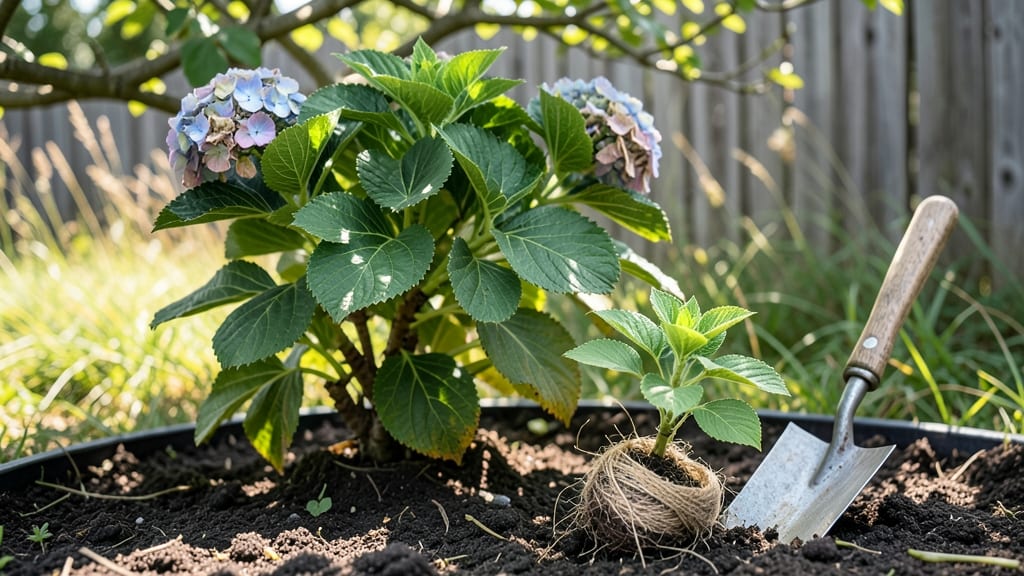
Planting hydrangeas in August can work if you choose the right varieties and prepare the soil carefully for late-season success.
August gardening can be tricky—hot temperatures and looming frost may make you question whether planting hydrangeas is even worth the risk. But with the right timing, soil prep, and plant selection, late-season 🌸 hydrangeas can thrive and reward you with stunning blooms next year.
In USDA Zone 6a, where frost often arrives by late October, August planting is a gamble. The key is selecting fast-rooting varieties like Oakleaf or Panicle hydrangeas, which establish roots more quickly in warm soil. Container-grown plants also adapt better to late-season stress than bare-root ones.
Below, I’ll walk you through the best hydrangea types for August, how to prep the soil for maximum root growth, and the critical aftercare steps to ensure your plants survive the transition into winter.

Best hydrangea varieties for August planting and their growth conditions
Planting hydrangeas in August is possible, but success depends on choosing the right variety and understanding their root system resilience. Some types handle late-season stress better than others, making them ideal for summer heat and transplant shock recovery before winter.
Not all hydrangeas thrive when planted in late summer. Bigleaf and Oakleaf varieties, for example, need careful attention to watering and mulching to establish roots before frost. Meanwhile, Panicle hydrangeas often adapt better due to their hardier root systems and tolerance for warmer temperatures.
USDA hardiness zones play a critical role in August planting. In Zones 7-9, late-summer planting is safer due to milder winters. However, gardeners in Zones 5-6 should opt for container-grown hydrangeas or delay until early fall to avoid frost damage.
Here’s a breakdown of the best hydrangea varieties for August planting, including their sun requirements, water needs, and mature size, to help you choose wisely:
| Variety | Hardiness Zones | Sun Requirements | Water Needs | Mature Size | Notes |
|---|---|---|---|---|---|
| Panicle Hydrangea | 4-9 | Full sun to partial shade | Moderate (1-2 inches/week) | 3-8 ft tall, 3-5 ft wide | Best for heat tolerance; blooms on new wood. |
| Oakleaf Hydrangea | 5-9 | Partial shade (morning sun) | High (2-3 inches/week) | 4-6 ft tall, 4-5 ft wide | Stunning fall foliage; needs consistent moisture. |
| Bigleaf Hydrangea | 6-9 | Partial shade (dappled light) | High (2-3 inches/week) | 3-6 ft tall, 3-5 ft wide | Color changes with soil pH; blooms on old wood. |
| Smooth Hydrangea | 4-8 | Full sun to partial shade | Moderate (1-2 inches/week) | 6-12 ft tall, 6-12 ft wide | Fast-growing; ideal for privacy screens. |
Panicle hydrangeas are my top recommendation for August planting because their new wood blooms allow them to recover quickly from transplant stress. Varieties like 'Limelight' or 'Little Lime' thrive in full sun and handle summer heat better than shade-loving types.
For gardeners in Zones 5-6, consider container planting to protect roots from early frost. Use well-draining soil mixed with compost and place pots in a sheltered location, like near a south-facing wall, to extend the growing season.
If you’re planting Bigleaf hydrangeas in August, prioritize afternoon shade to prevent leaf scorch. These varieties are sensitive to transplant shock, so water deeply 2-3 times per week until roots establish, which typically takes 6-8 weeks.
Oakleaf hydrangeas, known for their vibrant fall foliage, also work well in late summer but require rich, acidic soil. Amend your garden bed with peat moss or pine needles to maintain the ideal pH of 5.0-6.0 for optimal growth.
Remember, mulching is non-negotiable for August
Step-by-step guide to planting hydrangeas in August for maximum success
Planting hydrangeas in August can work if you follow the right steps, but timing is critical. The key is to help your hydrangea establish strong roots before the first frost.
In USDA Zones 6-9, late summer planting is possible, but you’ll need to protect your plant from heat stress and early cold snaps.
Start by choosing a well-draining location with partial shade—hydrangeas hate soggy roots but also need protection from scorching afternoon sun. If your area gets hotter than 90°F, opt for container planting to control soil temperature and moisture.
Here’s your step-by-step guide to planting hydrangeas in August for success:
After planting, avoid fertilizing—hydrangeas need time to adjust. Instead, focus on consistent moisture and light pruning of dead blooms to reduce stress. By next spring, your hydrangea should burst into vibrant blooms with minimal shock.
Pro tip: If you’re in a hot, dry climate, consider drip irrigation to keep roots cool. Hydrangeas planted in August can thrive, but they demand extra care to beat the odds!