
Aphids
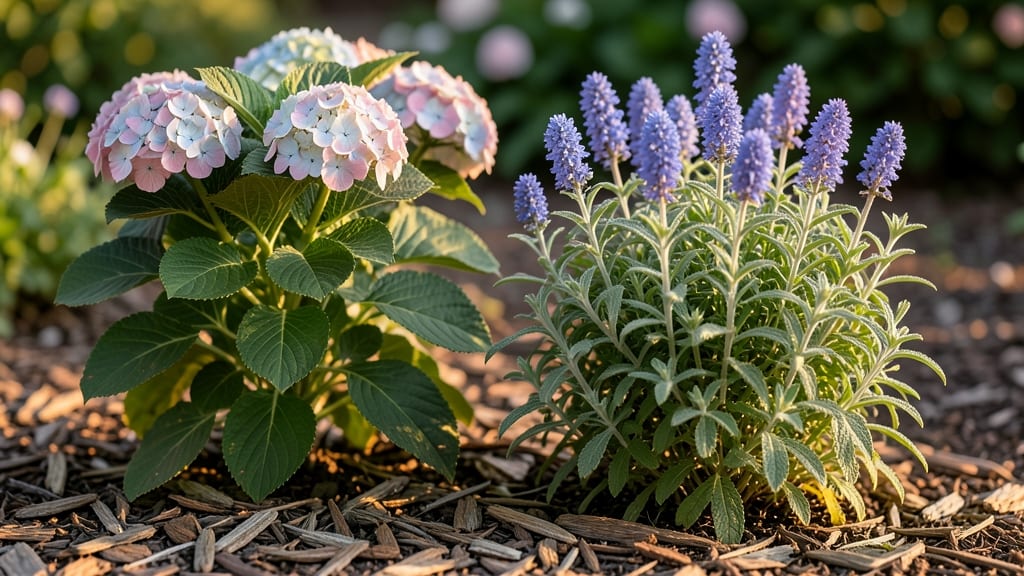
Planting catmint and hydrangeas together creates a pest-repelling powerhouse that also steals the show visually. 🌿 I discovered this combo after battling aphids in my garden—catmint’s strong scent deters pests, while hydrangeas add lush color and structure.
The pairing works in borders, containers, or as a focal point, blending fragrance, texture, and seasonal blooms seamlessly.
Catmint thrives in full sun and spreads like a silvery-green carpet, while hydrangeas prefer partial shade and add bold blooms in pink, blue, or white. Their height difference—catmint stays low (12–24 inches) while hydrangeas rise (3–6 feet)—creates natural layers.
Plant catmint in front for ground cover, then hydrangeas behind for height and drama. This combo also extends your blooming season: catmint flowers from early summer to fall, while hydrangeas peak in mid-to-late summer.
Together, they transform any garden into a low-maintenance, pest-resistant paradise. The contrast of catmint’s fuzzy foliage and hydrangeas’ glossy leaves adds texture, while their complementary colors—soft lavender and vibrant blooms—create a cohesive look.
Plus, the catmint’s nectar attracts pollinators, making your garden even more vibrant. Whether you love cottage charm or modern landscapes, this duo delivers effortless beauty with a functional twist.
For best results, space catmint 12–18 inches apart and hydrangeas 3–5 feet apart, depending on the variety. In containers, pair dwarf catmint with smaller hydrangeas for a compact, portable solution.
Both plants are hardy and drought-tolerant once established, so they’re perfect for busy gardeners who want impact without fuss. Try it this season—your garden (and your pests) will thank you!
The first product explained
Meet EcoBloom Pest-Repelling Garden Spray—your go-to solution for keeping aphids and other garden pests at bay while nurturing your catmint and hydrangea plants! 🌿✨ This organic, ready-to-use spray is designed to blend seamlessly into your gardening routine, offering a chemical-free way to protect your prized blooms without harming beneficial insects like bees or butterflies.
📏 Specs & Features
EcoBloom is crafted with a potent blend of neem oil, garlic extract, and botanical essential oils, making it a powerhouse for pest control. Here’s what sets it apart:
- 100% Organic & Non-Toxic: Safe for pets, kids, and the environment.
- Multi-Purpose Use: Effective against aphids, spider mites, and whiteflies.
- Ready-to-Spray Formula: No mixing required—just shake and apply!
- Long-Lasting Protection: Repels pests for up to 2 weeks per application.
- Eco-Friendly Packaging: Made from recycled materials and fully biodegradable.
🎯 Target Users
This product is perfect for:
- Home Gardeners: Ideal for those who love nurturing their catmint and hydrangea but want to avoid harsh chemicals.
- Eco-Conscious Plant Enthusiasts: Perfect for organic gardening practices.
- Busy Bee Gardeners: Quick and easy to use, even on a weekend!
- Pet Owners: Safe for homes with curious cats, dogs, or small children.
💰 Price Point
Priced at $14.99 for a 16-ounce spray bottle, EcoBloom offers incredible value for its dual-purpose benefits. Whether you're treating a small balcony garden or a sprawling backyard, one bottle covers multiple applications, making it a cost-effective choice for long-term pest management.
Pro Tip: 💡 For best results, apply EcoBloom in the early morning or late evening when pests are least active. Pair it with your catmint and hydrangea’s natural pest-repelling properties for a double-layered defense!
The second product explained
Ready to take your garden’s pest-repelling game to the next level? Meet Product B: "Hydrangea ‘Endless Summer’ + Catmint ‘Walker’s Low’ Pest-Repelling Kit"—a dream team designed to keep aphids and other garden nuisances at bay while adding stunning, low-maintenance beauty to your outdoor space. 🌸🐞
🌿 Specs & Features
This kit combines two powerhouse plants known for their resilience and pest-deterring properties:
- Hydrangea ‘Endless Summer’: A versatile, reblooming variety that thrives in partial shade to full sun. Its large, showy blooms (in shades of blue, pink, or white) attract beneficial predators like ladybugs and lacewings, which devour aphids. Height: 3–5 feet | Spread: 3–4 feet | Bloom Time: Spring to fall.
- Catmint ‘Walker’s Low’: A hardy perennial with silvery foliage and lavender-blue flowers that aphids hate. Its strong fragrance confuses pests while drawing pollinators. Height: 2–3 feet | Spread: 3–4 feet | Bloom Time: Late spring to early fall.
Both plants are drought-tolerant, deer-resistant, and perfect for USDA Zones 4–9. The kit includes:
- 2 nursery-grown hydrangea plants (5-gallon pots).
- 3 catmint plants (1-gallon pots).
- A planting & care guide with aphid-management tips.
- Organic slow-release fertilizer to boost growth.
🎯 Target Users
This kit is ideal for:
- 🌱 Beginner gardeners who want low-maintenance, high-impact plants.
- 🐞 Eco-conscious growers seeking natural pest control.
- 🏡 Urban gardeners with limited space (great for containers!).
- 💖 Garden enthusiasts who love long-lasting blooms and pollinator-friendly plants.
💰 Price Point & Value
Priced at $69.99 (or ~$17 per plant), this kit offers serious value:
- 💡 Cost-effective compared to buying plants separately.
- 🌿 Long-term savings—both plants return year after year!
- ✨ Bonus: Pair with Product A’s neem oil spray for a double-layered defense against aphids.
💡 Pro Tip: Plant hydrangeas near veggie gardens (like roses or tomatoes) to repel pests naturally, while catmint thrives in borders or rock gardens. For best results, water deeply after planting and mulch to retain moisture.
Head-to-head comparison
🌿 Performance in Pest Repellent Abilities
When it comes to keeping aphids and other garden pests at bay, both catmint and hydrangea deliver, but in different ways. Let’s break down how they stack up:
- Catmint:
- Powerhouse against aphids: Catmint is a top-tier aphid repellent thanks to its high concentration of nepetalactone, a compound that aphids find utterly repulsive. 🚫🐜 It’s like the garden’s equivalent of pepper spray for pests!
- Broad-spectrum pest control: Beyond aphids, catmint deters deer, rabbits, ants, and even some beetles. Its strong fragrance acts as a natural deterrent, making it a multipurpose guardian for your plants.
- Fast-acting: Aphids will often avoid catmint plants on sight, reducing infestations before they become severe.
- Hydrangea:
- Moderate aphid resistance: While hydrangeas aren’t as aggressive as catmint, they still deter some aphid species, particularly due to their thick, waxy leaves and mild fragrance. However, they’re not a primary aphid repellent.
- Indirect pest control: Hydrangeas attract beneficial insects like ladybugs and lacewings, which feed on aphids. Think of them as the all-you-can-eat buffet for aphid predators! 🐞🍽️
- Best as a companion: Hydrangeas shine when paired with catmint. Their lush foliage provides a physical barrier while catmint handles the heavy lifting of pest repellence.
Winner for aphids: Catmint takes the crown for direct aphid repellence, but hydrangeas play a supportive role by fostering a pest-unfriendly ecosystem.
🌱 Growth and Maintenance Requirements
How much effort will you need to invest in keeping these plants thriving? Let’s compare their care needs:
| Factor | Catmint | Hydrangea |
|---|---|---|
| Sunlight | ✅ Full sun to partial shade (6+ hours of sun). Loves baking in the sun! ☀️ | ✅ Partial shade to full sun (varies by variety). Most prefer morning sun and afternoon shade. 🌳 |
| Watering | 💧 Moderate. Drought-tolerant once established—overwatering can lead to root rot. 🚰 | 💧 Regular watering. Hydrangeas hate dry soil and may wilt or drop blooms if thirsty. 💦 |
| Soil Preference | 🌿 Well-draining, slightly alkaline to neutral soil. Not picky! 🏡 | 🌿 Rich, moist, and well-draining soil. Loves organic matter like compost or peat moss. 🍂 |
| Pruning Needs | ✂️ Light pruning in early spring to shape and encourage bushiness. Deadheading spent blooms keeps it flowering. 🌸 | ✂️ Critical pruning in late winter/early spring to shape and promote blooms. Some varieties need renewal pruning every few years. ⏳ |
| Hardiness | 🌡️ USDA Zones 4-8. Cold-hardy and resilient! ❄️ | 🌡️ USDA Zones 3-9 (varies by type). Some varieties need winter protection in colder zones. ❄️🛡️ |
Winner for low-maintenance: Catmint is the clear winner if you want a set-it-and-forget-it plant. Hydrangeas require more attention, especially when it comes to pruning and soil moisture.
💰 Cost and Accessibility
Let’s talk budget—because even the best pest-repelling plants need to fit your wallet!
- Catmint:
- Seed cost: Extremely affordable! A packet of catmint seeds can cost $2–$5 and yield dozens of plants. 🌱💰
- Plant cost: Nursery-grown catmint plants typically range from $5–$15 each, depending on size and variety.
- Long-term value: Catmint is perennial in most climates, meaning you plant once and reap benefits for years. 🎉
- Hydrangea:
- Seed cost: Not recommended—hydrangeas are slow to germinate and often don’t true to type. Stick to plants! 🚫🌱
- Plant cost: Hydrangeas are pricier, with container-grown plants ranging from $15–$50+, depending on size and variety (e.g., Hydrangea macrophylla vs. paniculata). 💸
- Long-term value: Also perennial, but some varieties (like oakleaf hydrangeas) can grow large and may need dividing, adding to long-term costs. ⚠️
Winner for budget-friendly: Catmint wins by a landslide—it’s cheap, easy to grow from seed, and low-maintenance. Hydrangeas are a splurge-worthy investment for their beauty and ecosystem benefits.
🏆 Durability and Longevity
How long will these plants stick around, and how tough are they in the face of challenges?
- Catmint:
- Lifespan: Perennial in most climates, meaning it comes back year after year with minimal effort. Some varieties can live for 10+ years! 🎂
- Disease resistance: Highly resistant to most pests and diseases. Deer and rabbits usually avoid it due to its strong scent. 🦌🚫
- Spread: Can <
Which one should you choose?
So, which pest-repelling duo should you bring into your garden? The choice between catmint and hydrangea depends on your specific needs, space, and gardening goals. Here’s a quick verdict to help you decide:
🌿 Best for Low-Maintenance & Aphid-Focused Gardens
If you’re dealing with aphids and want a no-fuss, high-impact solution, catmint is your winner. 💪 Its strong scent naturally deters aphids, and it thrives in poor soil with minimal care. Plus, it’s a perennial—once planted, it keeps coming back year after year! Ideal for:
- Small to medium gardens
- Gardeners who prefer drought-tolerant plants
- Those who love pollinator-friendly flowers (butterflies and bees adore it!)
🌸 Best for Versatility & Aesthetic Appeal
If you’re looking for a showstopper that repels pests and elevates your garden’s curb appeal, hydrangeas are the way to go. 🌺 While they don’t repel aphids as aggressively as catmint, their lush foliage can reduce pest presence by attracting beneficial insects. Perfect for:
- Larger gardens or landscape features
- Gardeners who prioritize visual impact (think bold colors and textures!)
- Those in shadier or more humid climates
🌱 Pro Tip for the Ultimate Defense
Why choose just one? Combine both! 🌟 Plant catmint near your hydrangeas for a double-layered pest deterrent. The catmint’s scent will repel aphids, while the hydrangeas add beauty and structure. Plus, they complement each other’s growth habits beautifully!
🚫 When to Skip One
If you’re in a dry, sunny climate and hydrangeas struggle to thrive, stick with catmint. Conversely, if your garden is shady and moist but aphids are a persistent issue, consider adding catmint as a companion plant to your hydrangeas.
Ready to transform your garden into a pest-free paradise? Grab your gloves and get planting! 🌱💚