
Shrubs
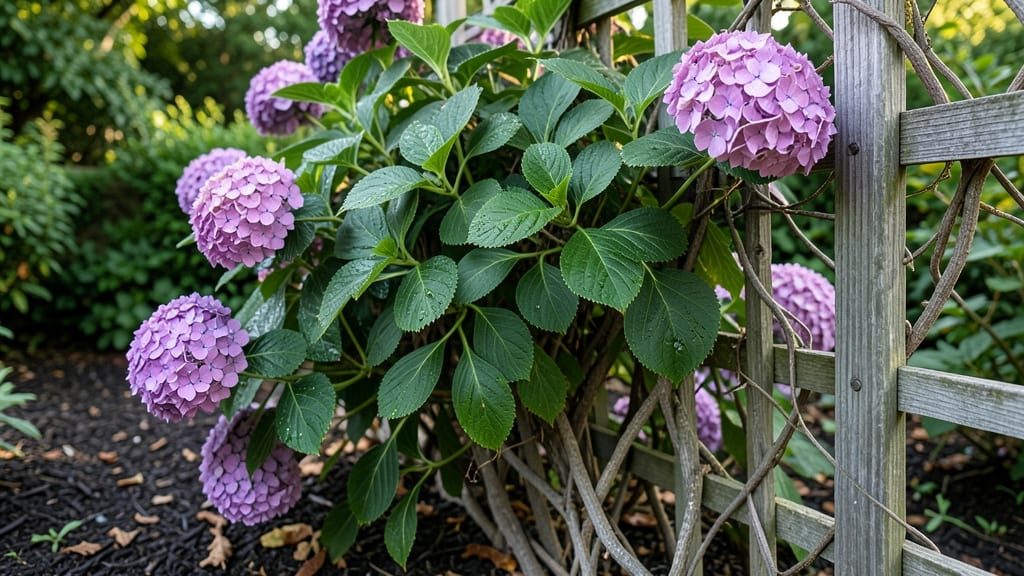
Your fence or trellis could soon be draped in vibrant purple blooms that last well into autumn. 🌿 Climbing hydrangeas like Hydrangea petiolaris aren’t just stunning—they’re the ultimate low-maintenance climber for shady spots where most vines struggle.
I’ve trained mine up a 12-foot arbor, and the deep lavender clusters transform my yard into a romantic hideaway every summer.
The secret to those rich purple blooms starts with the right conditions: morning sun and afternoon shade, well-draining soil, and a sturdy support structure (think metal trellis or a smooth-barked tree). Unlike other hydrangeas, these cling to surfaces with tiny aerial roots—no ties needed.
Plant in early spring when the soil warms to 60°F, and give it space to spread 8-10 feet wide over time.
By late summer, you’ll be rewarded with football-sized clusters of blooms that fade beautifully to soft pink. Prune lightly in late winter (just remove dead stems) to encourage next year’s growth. The key to keeping them thriving? Consistent moisture—they hate drying out but despise soggy roots even more.
Perfect for humid climates (Zones 4-8) or sheltered spots in drier areas, this hydrangea handles heat and humidity better than most. With the right care, your purple-clad vertical garden will be the showstopper of the neighborhood—no deadheading or heavy pruning required.
📚 In This Guide
- What you need
- Instructions
- Tips and common mistakes
- Wrapping up and next steps
What you need
- ● Climbing Hydrangea (Hydrangea petiolaris) – Purple Variety: 1-2 mature plants (6-12 inches tall, potted)
- ● Ensure they’re disease-free and well-rooted
- ● Support Structure: Arbor, trellis, or sturdy fence (8-15 feet tall, depending on desired height)
- ● Metal or wooden stakes (for temporary support while training)
- ● Well-Draining Potting Mix: 50% peat moss or coconut coir
- ● 30% perlite or vermiculite
- ● 20% compost or aged manure
- ● Fertilizer: Balanced, slow-release fertilizer (10-10-10 or 20-20-20, 2-3 tbsp per plant)
- ○ Optional: Organic options like fish emulsion or compost tea
- ● Mulch: 2-3 inches of organic mulch (shredded bark or wood chips)
- ● Garden Gloves (to protect hands from thorns)
- ● Hand Trowel or Spade (for planting and soil prep)
- ● Pruning Shears (sharp, sterilized for trimming)
- ● Watering Can or Hose with Soaker Nozzle (for gentle hydration)
- ● Measuring Tape or Ruler (to track plant growth and spacing)
- ● Twine or Soft Plant Ties (for securing vines to support)
- ● Epsom Salt (1 tbsp/month in water for magnesium boost)
- ● Copper Fungicide (preventative measure for powdery mildew)
- ● Plant Stakes or Labels (to track varieties and growth)
- ● Drip Irrigation System (for consistent moisture in large gardens)
- ● Decorative Lights or Climbing Accessories (to enhance your trellis)
How to train and maintain a climbing hydrangea for stunning purple blooms
This pole-trained beauty thrives with the right approach—let’s get your climbing hydrangea established for lush, seasonal color.
🪴 Step 1: Select and Prepare the Support Structure
Choose a sturdy 6-8 foot tall trellis, arbor, or metal pole—hydrangeas need strong support to climb. I prefer metal or wooden lattice because it won’t rot as quickly as plastic. Install it in a spot with morning sun and afternoon shade, which protects blooms from scorching while ensuring enough light for growth.
Position the structure within 3 feet of the planting spot so vines can reach it easily. If using a pole, attach soft twine or garden tape to guide the main stems upward—never force branches, as they’ll snap under pressure. This is where patience pays off; let the plant grow 4-6 inches before training new stems.
🌱 Step 2: Plant and Prune for Strong Growth
Dig a hole twice as wide as the root ball but no deeper—hydrangeas hate soggy roots. Mix the native soil with 2 inches of compost at the bottom to improve drainage. Place the plant so the top of the root ball sits 1 inch below soil level—this prevents stem rot while encouraging root expansion.
After planting, prune back one-third of the oldest stems to encourage new growth. This is critical: climbing hydrangeas bloom on both old and new wood, so avoid heavy cuts in late summer or fall. Water deeply until the soil is 6 inches damp, then mulch with 2-3 inches of wood chips to retain moisture and regulate temperature.
☀️ Step 3: Train Vines and Encourage Climbing
As new shoots emerge in spring, select 3-4 of the strongest stems to become your main leaders. Gently tie them to the support structure using soft plant ties—never use wire, which can girdle the stems. Let the vines grow 8-12 inches before tying again; this prevents breakage from rapid growth.
Watch for side shoots forming at the base of the main stems. These are your future blooming branches—prune them back by half in early summer to redirect energy upward. The goal is a pyramid shape: thick at the base, tapering to a single leader at the top. This ensures maximum airflow and sunlight penetration, which keeps blooms vibrant.
💧 Step 4: Water and Fertilize for Vibrant Blooms
Climbing hydrangeas need consistent moisture—water 1-2 times per week until the soil is 8 inches deep and damp. I check by sticking my finger in; if it feels dry, it’s time to water. Morning watering is best to reduce fungal risks. Purple blooms thrive in slightly acidic soil (pH 5.5-6.2), so test your soil and amend with sulfur or peat moss if needed.
Feed with a balanced, slow-release fertilizer (10-10-10) in early spring, then switch to a high-phosphorus formula (5-10-5) when buds form. Avoid high-nitrogen feeds—those promote leafy growth at the expense of flowers. I also add 1 tablespoon of Epsom salt monthly to boost magnesium, which enhances bloom color intensity.
✂️ Step 5: Prune and Maintain for Year-Round Interest
Prune late winter or early spring before new growth starts. Remove dead, crossing, or weak stems first, then cut back last year’s blooming stems by half. This encourages longer, stronger vines for next season. Avoid pruning in fall—you’ll cut off next year’s flower buds.
After blooming, deadhead spent flowers but leave the seed heads for winter interest. In late summer, lightly trim any overly long vines to maintain shape. I also spray with neem oil every 4-6 weeks to prevent aphids, which love hydrangea sap. With this care, your climbing hydrangea will reward you with purple cascades from early summer through fall.
Tips & tricks for pole-trained climbing hydrangeas
Transforming your climbing hydrangea into a vibrant vertical masterpiece takes patience and precision—here’s how to avoid common pitfalls and elevate your results.
Support Structure Stability: When selecting your 6-8 foot trellis or arbor, opt for metal or heavy-duty wood that won’t warp under the plant’s weight. I’ve seen plastic supports fail spectacularly after just one season—they crack under the weight of mature vines. For poles, install them at least 6 inches deep in the ground to prevent leaning, especially in windy areas. This extra stability means fewer adjustments later and happier blooms.
Pruning Strategy for Maximum Blooms: The key to those lush purple cascades lies in timing: prune one-third of the oldest stems right after planting to stimulate new growth, but leave the rest intact. Climbing hydrangeas bloom on both old and new wood, so avoid heavy pruning in late summer—you’ll sacrifice next year’s flowers. Instead, focus on shaping in early spring when buds are just starting to swell. Think of it like sculpting a living work of art.
Soil pH Secrets: Purple hydrangeas need slightly acidic soil (pH 5.5-6.2) to maintain their rich color. Test your soil first—many gardeners assume their soil is acidic when it’s actually neutral. If needed, amend with sulfur or peat moss at planting time, then retest in spring. I’ve seen dramatic color shifts just by adjusting pH—what was once pale pink transformed into deep violet within weeks. Don’t skip this step if you want that showstopping purple!
Training Technique: When tying vines to your support structure, use only soft plant ties or garden twine—never wire. Wire can cut into stems as they thicken, creating permanent damage. The 8-12 inch growth rule before retying is crucial: this allows stems to develop strength between tie points. I’ve learned this the hard way—overly tight or frequent ties lead to stem girdling, which weakens the entire plant. Let those vines breathe and grow!
Pro Tips for Climbing Hydrangea Purple
- Transforming your climbing hydrangea into a vibrant vertical masterpiece takes patience and precision—here’s how to avoid common pitfalls and elevate your results.
- Support Structure Stability: When selecting your 6-8 foot trellis or arbor, opt for metal or heavy-duty wood that won’t warp under the plant’s weight.
- Pruning Strategy for Maximum Blooms: The key to those lush purple cascades lies in timing: prune one-third of the oldest stems right after planting to stimulate new growth, but leave the rest intact.
Frequently asked questions
When is the best time to plant climbing hydrangea purple?
Plant your climbing hydrangea in early spring or early fall when temperatures are mild (50–70°F). This gives roots time to establish before extreme heat or cold. Avoid planting in summer—the stress can stunt growth. If you’re in a warmer climate, opt for fall planting to prevent winter stress.
How fast does climbing hydrangea grow, and how tall can it get?
These beauties grow 6–12 inches per year, reaching 20–30 feet tall (and wide!) with proper support. Patience is key—full maturity takes 3–5 years. Prune lightly in late winter to encourage bushier growth and manage height. Use a trellis, arbor, or fence for vertical training.
Why aren’t my purple hydrangea blooms as vibrant as expected?
Dull or green-tinged blooms often signal overwatering, poor drainage, or lack of sunlight. Ensure your plant gets partial shade (morning sun, afternoon shade) and consistently moist (not soggy) soil. For deeper purple hues, amend soil with compost and feed with acidic fertilizer (pH 5.5–6.2) in spring. Yellowing leaves? Check for chlorosis (iron deficiency).
Can I grow climbing hydrangea in a container, or does it need to be planted in the ground?
Yes! A large container (15+ gallons) works, but it requires more frequent watering and fertilizer. Use a well-draining potting mix with peat moss and place it in partial shade. Containers limit root growth, so expect slower, shorter vines (10–15 feet max). Move pots indoors during freezing winters if in a cold climate.
How do I protect climbing hydrangea from winter damage?
Hardy to USDA Zones 5–9, these hydrangeas still benefit from winter prep. In Zones 5–6, mulch the base with 3–4 inches of straw or leaves and wrap the trellis in burlap. For young plants, mound soil around the base for insulation. Avoid pruning in late fall—wait until early spring to prevent dieback.
What’s the difference between climbing hydrangea and mophead/hortensia types?
Climbing hydrangeas (Hydrangea petiolaris) are woody vines with air roots that cling to surfaces, producing panicle-shaped blooms (not the round mopheads). Mophead (H. macrophylla) and oakleaf (H. quercifolia) types are shrubs, not climbers. Climbers thrive on vertical structures, while mopheads stay compact—ideal for borders or containers.
Wrapping up and next steps
Transforming your outdoor space with climbing hydrangea purple is a rewarding journey that blends beauty, patience, and care. These stunning vines reward your efforts with year-round elegance, whether draping a trellis, arbors, or pergolas in cascading purple blooms.
Now that you’re armed with the right knowledge—from soil prep to pruning—it’s time to roll up your sleeves and watch your garden flourish! 🌿✨
Ready to take the next step? Start by sketching your dream climbing structure—a simple trellis or a grand arbor—and pick your purple hydrangea variety. Then, grab your gardening tools, and let the magic of these vibrant vines begin!