
Orchid Care
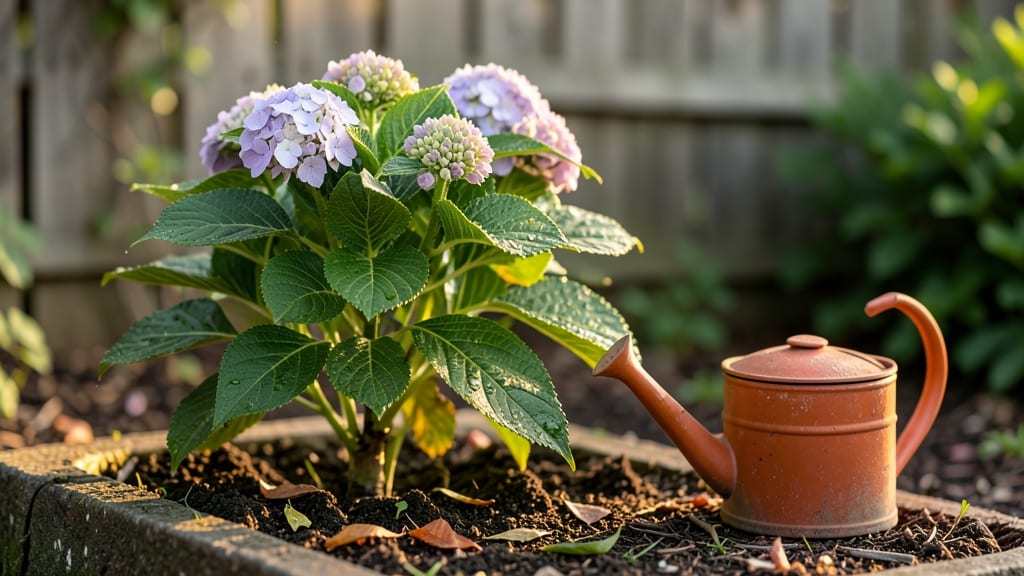
Do hydrangeas like water, but the right amount keeps their roots happy and blooms vibrant—too much or too little throws everything off. 🌸
If your hydrangeas look wilted or their vibrant blooms have faded, water might be the culprit—but not always in the way you think. While these showstopping plants thrive with consistent moisture, soggy soil can drown their roots faster than you’d expect.
Most gardeners assume hydrangeas need constant soaking, but the truth is more nuanced: they prefer damp, well-draining soil rather than a swampy mess. In USDA Zone 6a, summer drought can stress them, while winter’s chill slows their thirst.
Below, I’ll break down exactly how much water hydrangeas need by season, how to spot over- or under-watering, and the game-changer for container vs. in-ground plants.
How much water do hydrangeas really need for healthy blooms?
Hydrangeas do love water—but not the way you might think. These thirsty shrubs need consistent moisture to produce those showstopping blooms, but overwatering is just as deadly as underwatering. The key lies in understanding your hydrangea variety, soil type, and local climate.
Mophead hydrangeas, for example, drink more than panicle types, while oakleaf varieties tolerate slightly drier conditions. Let’s break down exactly how much water your hydrangeas need to thrive without drowning.
First, check your soil before reaching for the hose. Stick your finger 2-3 inches deep—if it feels dry, it’s time to water. If it’s damp, wait another day. Hydrangeas prefer moist but well-draining soil, so soggy conditions will suffocate their roots.
In containers, watering needs are higher because pots dry out faster, while in-ground plants can go slightly longer between drinks, especially in humid climates.
🌸 Variety Matters: Not all hydrangeas are created equal. Mophead hydrangeas (Hydrangea macrophylla) are the most water-dependent, while panicle hydrangeas (Hydrangea paniculata) handle drier spells better. Oakleaf hydrangeas (Hydrangea quercifolia) fall somewhere in between but still need regular moisture. Always adjust based on your plant’s specific needs to avoid stress.
Seasonal shifts play a huge role in hydrangea hydration. During spring and summer, when growth is rapid, water deeply 2-3 times per week, especially in hot, dry climates.
In fall, reduce watering as growth slows, and in winter, only water if your region experiences freeze-thaw cycles that dry out the soil. Overwatering in winter can lead to root rot or fungal diseases, so err on the side of caution.
Now, let’s talk climate zones. In humid areas like the Pacific Northwest, hydrangeas may only need weekly watering because natural rainfall keeps soil moist. But in arid regions like Arizona or Nevada, you’ll need to water every 2-3 days in peak summer.
Always mulch around the base with 2-3 inches of organic mulch (like shredded bark) to retain moisture and regulate soil temperature.
💧 The Right Amount: Aim for 1-1.5 gallons of water per plant during each deep watering session. For container-grown hydrangeas, this might mean watering every 2-3 days, while in-ground plants can stretch to every 4-5 days in cooler months. The goal is to soak the root zone (about 12-18 inches deep) rather than just wetting the surface. Use a soaker hose or drip irrigation for even distribution.
Here’s how to test for proper hydration: Gently squeeze a stem between your fingers. If it snaps easily, your hydrangea is underwatered. If it bends without snapping, it’s well-hydrated.
Yellowing leaves or drooping blooms are red flags—adjust your watering routine immediately. Overwatered hydrangeas often show mushy stems or moldy soil, while underwatered ones develop crispy leaf edges and stunted growth.
| Hydrangea Type | Water Needs | Best Practices | Climate Adjustments |
|---|---|---|---|
| Mophead (Macrophylla) | High (1.5 gal/plant, 2-3x/week) | Deep watering, mulch heavily | More in arid zones; less in humidity |
| Panicle (Paniculata) | Moderate (1 gal/plant, 2x/week) | Drought-tolerant; reduce in winter | Less water in heat; more in containers |
| Oakleaf (Quercifolia) | Moderate-High (1-1.25 gal/plant, 2x/week) | Well-draining soil; prune in late winter | More in full sun; less in shade |
| Container Hydrangeas | Very High (Daily in heat, 2-3x/week otherwise) | Use self-watering pots; check soil daily | More frequent in summer; reduce in rain |
One of the biggest mistakes gardeners make is watering on a schedule without checking soil conditions. Instead, use the finger test or a soil moisture meter to guide your watering. In spring, when new growth emerges, hydrangeas need more frequent watering to support blooming.
By late summer, as temperatures drop, you can taper off slightly. Always water in the morning to reduce evaporation and fungal risks.
If you’re unsure whether your hydrangeas are getting enough water, look at their leaves. Healthy hydrangea leaves should be deep green and slightly leathery to the touch. Wilting or yellowing leaves are clear signs of underwatering, while dark, mushy leaves indicate overwatering.
Adjust your routine based on these visual cues, and don’t forget that hydrangeas in containers dry out much faster than those planted in the ground.
Pro tip: Group hydrangeas with other thirsty plants like hostas or astilbes to create a microclimate that retains moisture. Avoid planting them near drought-tolerant succulents, which will compete for water.
If you notice blooms failing to open or leaves curling, it’s often a sign of water stress—either too much or too little. With the right balance, your hydrangeas will reward you with vibrant, long-lasting blooms all season long.
Overwatering hydrangeas: 5 silent signs you’re drowning your plants
Hydrangeas do love water—so much so that they’re often called the thirsty divas of the garden. But when you cross the line from hydrated to waterlogged, their health takes a nosedive faster than you’d expect.
The problem? Overwatering doesn’t always scream for attention with dramatic wilting. Instead, it whispers through subtle clues most gardeners miss until it’s too late.
I’ve seen mophead hydrangeas with glossy, drooping leaves that looked perfectly healthy—until I dug deeper and found roots rotting in soggy soil. The key is learning to read your plant’s silent SOS signals before they spiral into irreversible damage.
Let’s uncover the 5 sneaky signs your hydrangeas are drowning—and how to fix it fast.
You’re not helping your hydrangeas by watering on a rigid schedule. These plants thrive on consistent moisture, not a clock. Instead of guessing, test your soil first: Stick your finger 2-3 inches deep—if it feels damp, wait another day. Overwatering is the #1 cause of root rot in hydrangeas, and once it sets in, recovery is slow and often incomplete.
First up: yellowing leaves that start at the bottom and creep upward. This isn’t your typical nutrient deficiency—it’s a classic overwatering red flag. When roots suffocate in waterlogged soil, they can’t absorb oxygen, and the plant starves for air while its leaves turn pale and mushy.
The twist? Yellow leaves can also mean underwatering, so always check the soil first. If it’s soggy, you’ve got your answer.
Next, keep an eye out for moldy or crusty soil around the base of your hydrangea. A white, fuzzy film or a hard, chalky layer? That’s fungal growth thriving in overly wet conditions.
This isn’t just unsightly—it’s a breeding ground for root diseases like Phytophthora, which can kill your plant in weeks. If you spot this, stop watering immediately and let the soil dry out before acting.
Here’s a sneaky one: blooms that refuse to open or stay small and tight. Hydrangeas need balanced moisture to produce their signature showstopping flowers. When roots are waterlogged, the plant diverts energy to survival instead of blooming.
If your hydrangea’s buds look shriveled or brown before they even unfurl, overwatering is likely the culprit. The fix? Adjust your watering routine and feed with a balanced fertilizer (like 10-10-10) to encourage new growth.
Don’t ignore wilting despite wet soil—this is your plant’s last-ditch effort to conserve water. Healthy hydrangeas should perk up after a drink, but if they stay limp and droopy even when the soil is damp, your roots are rotting from the inside out.
At this stage, you’ll need to trim away mushy roots and repot (if in a container) with fresh, well-draining soil. For in-ground plants, improve drainage by adding organic matter like compost or perlite.
Finally, watch for leaves that develop brown edges or black spots. This isn’t just leaf scorch—it’s often a sign of overwatering stress combined with poor air circulation. To fix it, prune back overcrowded branches to improve airflow and water only in the morning so leaves dry quickly.
With these adjustments, your hydrangeas will bounce back in no time—just remember, consistency is key! 🌸