
Pruning
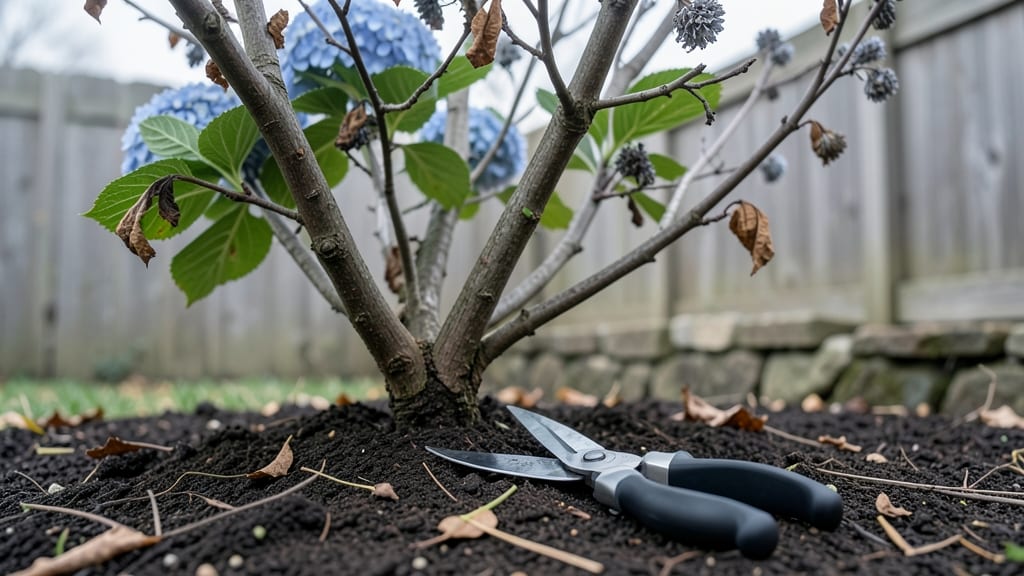
Cutting hydrangeas for winter properly ensures whether you’ll have next summer’s showstopper blooms or sad, leggy plants—I’ve learned the hard way, but now I’ve cracked the timing and technique for perfect pruning. ✂️ mophead, lacecap, and oakleaf varieties that thrive after winter cuts.
The secret isn’t just when you prune—it’s how. For mopheads, cut back 1/3 of the stems to the first set of 5 leaves in late winter, while lacecaps need only light trimming.
Oakleaf varieties? Wait until spring to avoid frost damage. Sharp pruners and disinfectant wipes are your only tools, but the results—bigger blooms, stronger growth—are worth the 20 minutes of work.
After pruning, your hydrangeas will respond with fresh green shoots by early spring, then burst into color by summer. The key is patience: resist the urge to cut back too early, and never remove last year’s blooms before they’ve set buds.
I’ve seen plants recover from late pruning, but they’ll never rebound like properly timed cuts.
Works for zones 3-9, but adjust timing if you’re in a mild winter zone—wait until after the last frost for lacecaps and oakleafs. Here’s how to do it right without the guesswork.
📚 In This Guide
- What you need
- Instructions
- Tips and common mistakes
- Wrapping up and next steps
What you need
- ● Pruning shears or loppers: Sharp, bypass-style blades (for clean cuts) – 1 pair (or 2 pairs if pruning large bushes).
- ● Garden gloves: Heavy-duty, cut-resistant (protects hands from thorns and sap) – 1 pair.
- ● Disinfectant (rubbing alcohol or bleach solution): 1:9 bleach-to-water ratio (sterilizes tools between cuts to prevent disease).
- ● Heavy-duty trash bags or compost bin: For removing dead/pruned material (3–5 bags, depending on bush size).
- ○ Markers or flags (optional but helpful): Bright-colored stakes or tape (to mark pruning zones if needed).
- ● Hand pruners (for small stems): For precision trimming (1 pair).
- ● Wheelbarrow or tarp: For hauling debris (especially for large hydrangeas).
- ● Pruning saw (for thick stems): Only if stems exceed 1.5 inches in diameter (1 saw).
- ● Mulch (straw or wood chips): For insulating roots post-pruning (5–10 gallons, depending on bush size).
Step-by-step guide to pruning hydrangeas for winter
Here’s how I prepare my hydrangeas for winter—keeping them healthy and setting them up for next year’s best blooms.
✂️ Step 1: Identify Your Hydrangea Type and Bloom Time
First, figure out which type you’ve got—this determines when and how you prune. Bigleaf hydrangeas (Hydrangea macrophylla) bloom on old wood (last year’s growth), while panicle and oakleaf varieties (H. paniculata or H. quercifolia) bloom on new wood (current year’s growth). Check your plant’s flowers: if they’re on last year’s stems, prune carefully in late winter.
If you’re unsure, wait until after blooming to prune—this way, you can see where the flowers formed. I always mark my plants with a flag in early spring to remind me which type they are. This step prevents accidentally removing next year’s blooms.
🌿 Step 2: Time Your Prune for Late Winter or Early Spring
For old-wood bloomers, prune in late winter (February-March) while the plant is still dormant but before new growth starts. New-wood bloomers can wait until late winter or early spring (March-April)—just after the last frost but before leaves emerge. I aim for February 15th as my target date, but adjust based on your local frost dates.
Wait until temperatures are consistently above 40°F to avoid shocking the plant. If you prune too early, cold snaps can damage tender new growth. If you prune too late, you might remove next year’s flower buds. Watch for bud swell—when you see tiny green buds forming, it’s time to prune.
✂️ Step 3: Prune for Shape and Health, Not Just Size
Start by removing dead, diseased, or crossing branches first—these compete with healthy growth and spread problems. Use clean, sharp pruners to make cuts at a 45-degree angle, about ¼ inch above a bud or outward-facing leaf. This encourages new growth in the right direction.
For old-wood bloomers, cut back only the oldest stems—never more than ⅓ of the plant. I like to leave 3-5 strong stems per plant to ensure next year’s blooms. For new-wood types, you can be bolder: cut back ⅓ to ½ of the plant to encourage bushier growth. Step back often to check your shape—hydrangeas look best with an open, airy center.
🪴 Step 4: Clean Up and Protect for Winter
After pruning, remove all debris from the base of the plant and surrounding area—this prevents pests and diseases from overwintering. I rake up fallen leaves and dispose of them in the trash, not the compost, to avoid spreading problems.
For extra protection, mulch around the base with 2-3 inches of shredded bark or straw to insulate roots. Avoid piling mulch against the stem, as this can cause rot. Water deeply before the first hard frost to help roots establish. If you’re in a Zone 5 or colder, consider wrapping young plants with burlap or frost cloth for added protection.
⏰ Step 5: Monitor and Adjust Through Spring
In early spring, check for new growth—this is your sign that the pruning worked. If you see no buds by mid-April, you may have pruned too late or too aggressively. For old-wood bloomers, never prune after buds form—this removes next year’s flowers.
Once growth starts, fertilize lightly with a balanced 10-10-10 formula to encourage strong new shoots. Keep an eye out for yellowing leaves or weak stems, which can signal over-pruning or disease. Adjust your approach next year based on what you observe—hydrangeas are forgiving, but consistency is key.
Tips & tricks for perfect winter hydrangea pruning
A few simple strategies that'll help you avoid common mistakes and keep your hydrangeas thriving for years.
Type Identification: If you're still unsure which type of hydrangea you have, look at last year's flower stems. Old-wood bloomers like bigleaf varieties will have flower buds forming at the tips of last year's growth, while new-wood types like panicle hydrangeas will have buds forming along the current year's stems. I always take a photo of my plants after their first bloom to reference later.
Pruning Timing: The February 15th target date I mentioned works well for most climates, but check your local frost dates. If you're in a warmer Zone 7-10, you might need to prune as late as March. The key is to prune when you see those tiny green buds starting to swell—this means the plant is ready to grow but hasn't yet committed to next year's flowers.
Cutting Technique: When making your 45-degree cuts, imagine you're making a small smile on the branch. This angle helps water run off the cut and prevents rot. I also recommend sterilizing your pruners with rubbing alcohol between cuts—this prevents spreading disease from one branch to another. For old-wood types, always leave at least 3-5 strong stems to ensure next year's blooms.
Post-Pruning Care: After pruning, give your hydrangeas a good drink of water to help them recover. The 2-3 inches of mulch around the base should be spread out like a donut—keep it away from the stem to prevent rot. I've found that adding a handful of compost to the mulch gives the roots an extra nutrient boost as they prepare for spring growth.
Pro Tips for Cutting Hydrangeas For Winter
- A few simple strategies that'll help you avoid common mistakes and keep your hydrangeas thriving for years.
- Type Identification: If you're still unsure which type of hydrangea you have, look at last year's flower stems.
- Pruning Timing: The February 15th target date I mentioned works well for most climates, but check your local frost dates.
Frequently asked questions
Got questions about prepping your hydrangeas for winter? You’re not alone! Here are answers to the most common concerns—so you can prune with confidence and keep those blooms coming year after year.
When is the best time to cut back hydrangeas for winter?
For most hydrangeas (like mopheads and lacecaps), prune in late winter or early spring (before new growth starts). Oakleaf hydrangeas benefit from a light cleanup in late fall to remove dead blooms. Avoid pruning in fall—it can stimulate tender new growth that won’t survive frost.
Can I cut hydrangeas back too much? What if I over-prune?
Yes! Over-pruning can kill your plant—especially if you cut into old wood (last year’s growth). For bigleaf and smooth hydrangeas, never remove more than 1/3 of the plant. If you’ve already overdone it, don’t panic: Focus on healthy stems and give it time to recover. A little patience goes a long way!
Do I need to cover hydrangeas for winter after pruning?
Mulching is key! Apply 3–4 inches of mulch around the base (but not touching the stems) to insulate roots. For young or tender varieties, a light frost blanket can help. Skip covering if your hydrangeas are mature and hardy (like panicle types). Just don’t cover until temps drop below freezing!
What if my hydrangeas don’t bloom after winter pruning?
No blooms? Check the type of hydrangea:
- Bigleaf (H. macrophylla): Blooms on old wood—prune after flowering.
- Panicle (H. paniculata): Blooms on new wood—prune in late winter.
- Oakleaf: Blooms on both old and new wood—light pruning is safe.
Are there any alternatives to cutting back hydrangeas for winter?
If you hate pruning, try minimalist maintenance:
- Remove only dead or diseased stems (skip heavy cuts).
- Use burlap wraps to protect stems from harsh winds.
- Plant winter-interest companions (like hellebores) nearby to hide leggy growth.
Wrapping up and next steps
Preparing your hydrangeas for winter with the right cuts ensures vibrant blooms year after year! By following these steps—whether you’re pruning for shape, health, or seasonal care—you’ll protect your plants from harsh weather while encouraging lush growth. Your effort now means stunning flowers later!
Ready to take the next step? Grab your pruners, check the weather, and schedule your pruning session before the first frost. With a little care, your hydrangeas will reward you with bold, beautiful blooms come spring! 🌸✂️