
Pruning
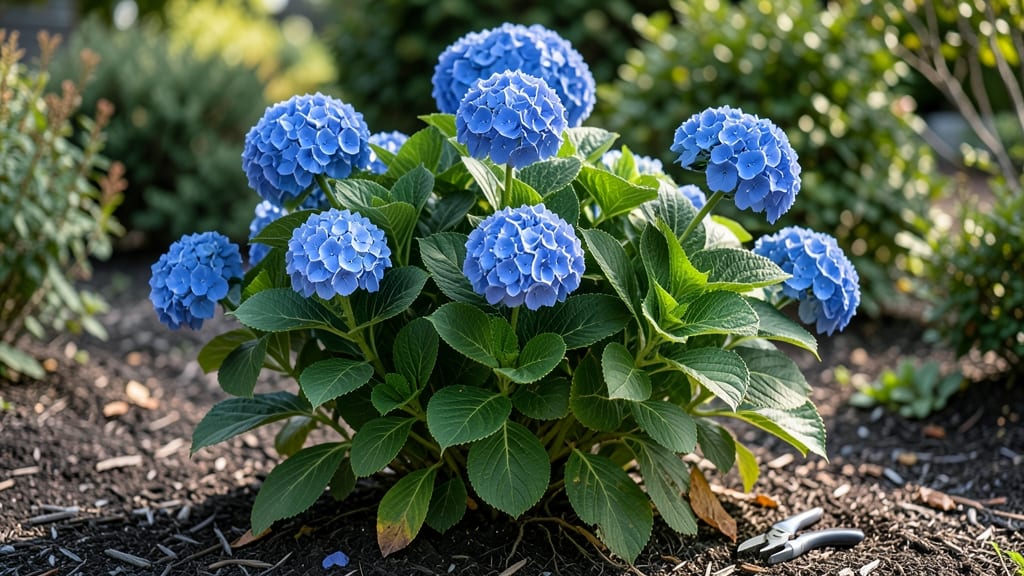
Hydrangea bushes grow to sizes that can range from compact 2 feet to towering 8 feet, depending on the variety you choose—so picking the right one for your space is everything.
If you’ve ever dreamed of adding lush, vibrant blooms to your garden but worry about hydrangeas outgrowing their space, you’re not alone. Many gardeners struggle with understanding how fast these beauties expand and what their mature dimensions will be.
The good news? With the right variety and a little planning, you can control their growth and keep them looking stunning without sacrificing blooms. Whether you’re working with a small yard or a spacious garden, knowing the fast growth habits of hydrangeas will help you space them perfectly.
In this guide, I’ll break down the typical sizes for popular types like mophead, panicle, and oakleaf hydrangeas, plus tips for pruning and spacing to keep them thriving—and blooming—year after year.


Hydrangea bush size by variety: growth rates and mature dimensions
Choosing the right hydrangea variety depends heavily on understanding their mature size and growth rates. Some varieties grow aggressively, while others stay compact—making them perfect for small gardens or containers. I’ve planted mophead hydrangeas in my backyard for years, and I’ve learned the hard way that spacing matters!
A well-placed hydrangea can become a stunning focal point, but planting too close can lead to crowded, underperforming bushes.
Hydrangeas generally reach their mature height in 3-5 years, though some varieties grow faster than others. For example, panicle hydrangeas can shoot up 2-3 feet per year in ideal conditions, while lacecap hydrangeas grow more slowly.
Knowing these differences helps you plan your garden layout and avoid future pruning headaches.
Here’s a quick breakdown of what to expect from the most popular hydrangea varieties, including their height, spread, and annual growth rate. Use this as your guide to pick the perfect hydrangea for your space!
| Variety | Mature Height | Mature Spread | Annual Growth Rate | Best For |
|---|---|---|---|---|
| Mophead (Bigleaf) | 3-6 ft | 3-5 ft | 12-18 in | Borders, containers, shade gardens |
| Panicle | 4-8 ft | 4-6 ft | 24-36 in | Tall hedges, focal points, full sun |
| Oakleaf | 5-8 ft | 5-8 ft | 12-24 in | Woodland gardens, fall color |
| Smooth (Annabelle) | 3-5 ft | 3-5 ft | 12-18 in | Small gardens, low-maintenance blooms |
| Lacecap | 2-4 ft | 2-4 ft | 6-12 in | Containers, cottage gardens, shade |
The mophead hydrangea (like the classic Endless Summer series) is a favorite for its bold, rounded blooms, but it stays relatively compact at 3-6 feet tall. These varieties grow about 1-1.5 feet per year, so they’re ideal for gardeners who want quick but controlled growth.
I planted one near my patio last spring, and by summer, it filled out beautifully without needing pruning.
On the other hand, panicle hydrangeas like Limelight or Little Lime are the powerhouses of the hydrangea world. They can reach 8 feet tall and spread just as wide, with some varieties growing up to 3 feet per year.
If you’re aiming for a dramatic vertical accent or a tall hedge, these are the varieties to choose—but be prepared for aggressive growth!
Oakleaf hydrangeas stand out for their stunning fall foliage and rounded shape. They grow 5-8 feet tall and wide, making them perfect for woodland gardens or as a backdrop for smaller plants. Their moderate growth rate (1-2 feet per year) means they won’t overwhelm your space overnight, but they do need room to sprawl.
For smaller spaces, lacecap hydrangeas are my go-to. These varieties, like Vanille Fraise, stay 2-4 feet tall and grow slowly (6-12 inches per year).
They’re perfect for containers, window boxes, or cottage-style gardens where space is limited. I’ve seen them thrive in partial shade, adding delicate, lacy blooms without taking over.
If you’re working with a small garden or container planting, consider dwarf varieties like Mini Penny or Little Quick Fire. These stay under 3 feet tall and grow even slower, making them ideal for balconies or urban gardens.
Just remember: even dwarf hydrangeas need proper spacing—plant them at least 2-3 feet apart to allow for airflow and future growth.
One of the biggest mistakes I see gardeners make is underestimating hydrangea spread. While height is often the focus, the width of these bushes can be just as important.
For example, a 6-foot-tall panicle hydrangea might spread 5 feet wide, so planting it too close to a fence or path can lead to crowded, leggy growth. Always check the mature spread when choosing a variety!
Pro tip: If you’re unsure about a hydrangea’s final size, start with a container-grown plant instead of a bare-root one. Container plants give you a better sense of the bush’s current size and growth habit, so you can plan your spacing more accurately.
And don’t forget—pruning can help control size, especially for fast-growing varieties like panicle hydrangeas.
How fast do hydrangeas grow? Seasonal growth patterns and pruning tips
Hydrangeas are one of the fastest-growing shrubs in most gardens, with some varieties reaching 1-2 feet per year under ideal conditions. Their growth isn't steady—it follows distinct seasonal patterns that directly impact their size and flowering potential.
Understanding these rhythms helps you time pruning and accelerate blooms while keeping your hydrangeas manageable.
Spring is when hydrangeas wake up from dormancy, with new shoots emerging as soon as soil temperatures hit 50°F (10°C). This is also the best time to prune last year's blooms (for varieties like Hydrangea macrophylla) to encourage fresh growth.
Summer is their peak growth phase, where they can add 12-24 inches in height and spread, especially with consistent watering.
- 🌱 Spring: New shoots emerge by April; prune dead wood and last year's blooms (for mopheads).
- 🌿 Summer: Fastest growth phase—1-2 ft/year possible with 6+ hours of sun and consistent moisture.
- 🍂 Fall: Growth slows; panicle hydrangeas develop buds for next year's flowers.
- ❄️ Winter: Dormant; mulch heavily to protect roots in colder zones (USDA 5+).
- ✂️ Pruning Tip: Panicle types bloom on new wood—prune in late winter; mopheads bloom on old wood—prune right after flowering.
To control hydrangea bush size, timing is everything. For panicle hydrangeas (like Limelight), prune in late winter before buds swell—this encourages bushier growth and larger blooms. For mophead varieties (like Endless Summer), wait until after flowering to prune, as they set buds on last year's wood.
If your hydrangea is growing too fast and becoming unruly, try thinning out old stems in early spring. Remove 1/3 of the oldest stems at the base to redirect energy to newer growth. This method keeps your plant compact and healthy while maintaining those show-stopping blooms.
For faster growth, focus on soil health and watering habits. Hydrangeas thrive in moist, well-draining soil with organic matter. Apply a balanced fertilizer (10-10-10) in early spring and again after flowering to fuel rapid growth.
Mulching with 3-4 inches of organic mulch also helps retain moisture and regulate soil temperature.
Remember, hydrangea growth rates vary by variety. Hydrangea arborescens (smooth hydrangea) grows 2-3 feet per year, while Hydrangea paniculata can reach 6-8 feet in 3-4 years with proper care. With the right approach, you'll have a blooming bush that fits perfectly in your garden—without taking over!