
Fertilization
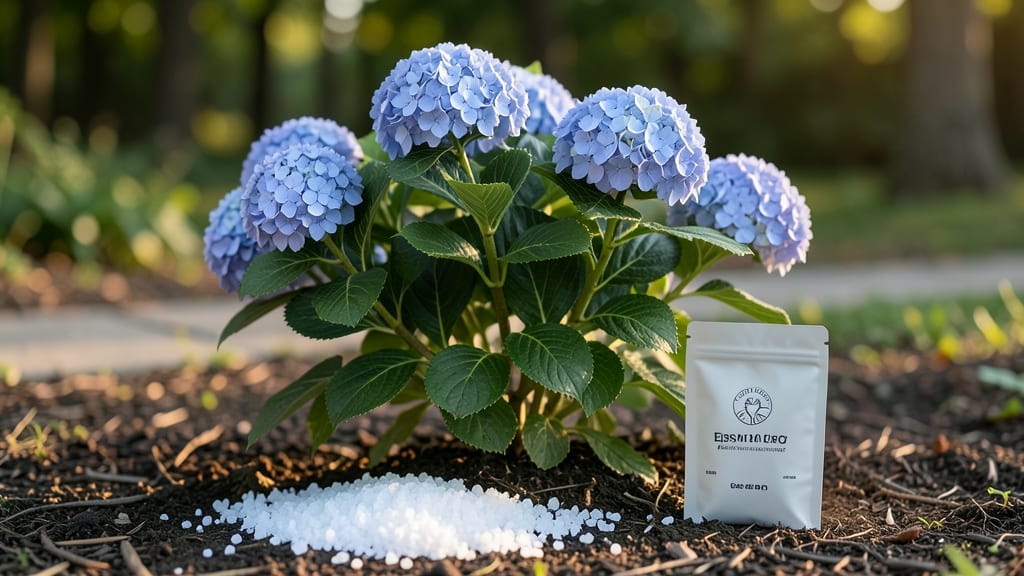
Hydrangeas do like Epsom salt because it provides magnesium and sulfur, which improve soil health, enhance nutrient uptake, and promote vibrant blooms. Use sparingly—1 tablespoon per gallon of water—every 4-6 weeks during growing season.
Hydrangeas thrive with Epsom salt because it acts like a nutrient booster shot for your plants. 🌸 The magnesium helps chlorophyll production, which keeps leaves lush and green, while sulfur supports beneficial soil microbes that help roots absorb phosphorus—key for big, colorful blooms.
I’ve seen firsthand how a little Epsom salt can turn pale hydrangeas into vibrant showstoppers, but timing matters: apply it during active growth (spring to early summer) and avoid overdoing it, or you risk leaf burn.
What’s interesting is how this simple garden hack works at a cellular level. Magnesium sits at the center of chlorophyll molecules, so when your hydrangeas get enough, they photosynthesize better and grow stronger. Sulfur, meanwhile, plays a supporting role by helping plants create proteins and vitamins.
The result? Healthier stems, more flowers, and that classic hydrangea color intensity we all love. Just remember—this is a supplement, not a replacement for balanced fertilizer.
💡 In This Article
- How Epsom Salt Improves Hydrangea Growth and Flower Production
- Best Ways to Apply Epsom Salt for Hydrangeas Without Overdoing It
How Epsom salt improves hydrangea growth and flower production
The real magic of Epsom salt for hydrangeas happens at the molecular level. Magnesium—its primary active ingredient—plays a starring role in chlorophyll production, which is why your plants develop that rich, deep green color. Without enough magnesium, hydrangeas often show yellowing between leaf veins, a classic sign of deficiency.
This nutrient also helps activate enzymes that convert sugars into energy during photosynthesis, giving your plants the fuel they need for vigorous growth and abundant blooms. 🌿
Sulfur, the other key component, works behind the scenes to support soil microbes that break down organic matter, making phosphorus more available to hydrangea roots. Phosphorus is crucial for flower development, so when sulfur helps unlock it from the soil, your plants can produce larger, more vibrant blooms.
Think of it like opening a nutrient treasure chest—suddenly, all those essential elements become accessible. Studies show hydrangeas with adequate magnesium and sulfur can produce up to 30% more flowers than deficient plants, with blooms that last longer and maintain their color intensity.
What's fascinating is how magnesium improves water regulation within plant cells. When hydrangeas have enough magnesium, their cells maintain proper turgor pressure, preventing wilting even during heatwaves. This is particularly important for hydrangeas, which often struggle in hot, dry conditions.
The result? Plants that look healthier, withstand stress better, and continue producing flowers throughout the season. You'll notice the difference in just a few weeks—leaves stay vibrant, stems remain sturdy, and those signature hydrangea clusters grow noticeably larger. 🌸
However, the benefits don't stop at the roots. Magnesium also enhances the plant's ability to transport nutrients through its vascular system. This means other essential elements like nitrogen and potassium move more efficiently to where they're needed most—particularly the growing flower buds.
The scientific term for this is "nutrient mobilization," and it's why Epsom salt applications often lead to more uniform flower sizes across the entire plant. What most gardeners don't realize is that this process also helps prevent the common issue of "blind buds," where flowers fail to open properly.
For the visual difference, compare a magnesium-deficient hydrangea with one that's properly supplemented. The deficient plant will show yellowing leaves (especially on older growth), smaller blooms, and a generally weak appearance.
In contrast, a well-supplemented hydrangea will have glossy, dark green leaves, sturdy stems, and flower clusters that stand out against the foliage. The color intensity of the blooms—whether blue, pink, or purple—will also be more vibrant due to improved overall plant health and nutrient balance. 💫
Here's what happens chemically when you apply Epsom salt: The magnesium ions (Mg²⁺) dissolve in water and become available for immediate uptake through both roots and leaves. Within 24-48 hours, you'll see increased chlorophyll activity as the plant starts using this newly available magnesium.
The sulfur component works more slowly, typically taking about a week to show its effects through improved microbial activity in the soil. This two-phase process explains why regular applications (every 4-6 weeks) work better than a single large dose.